
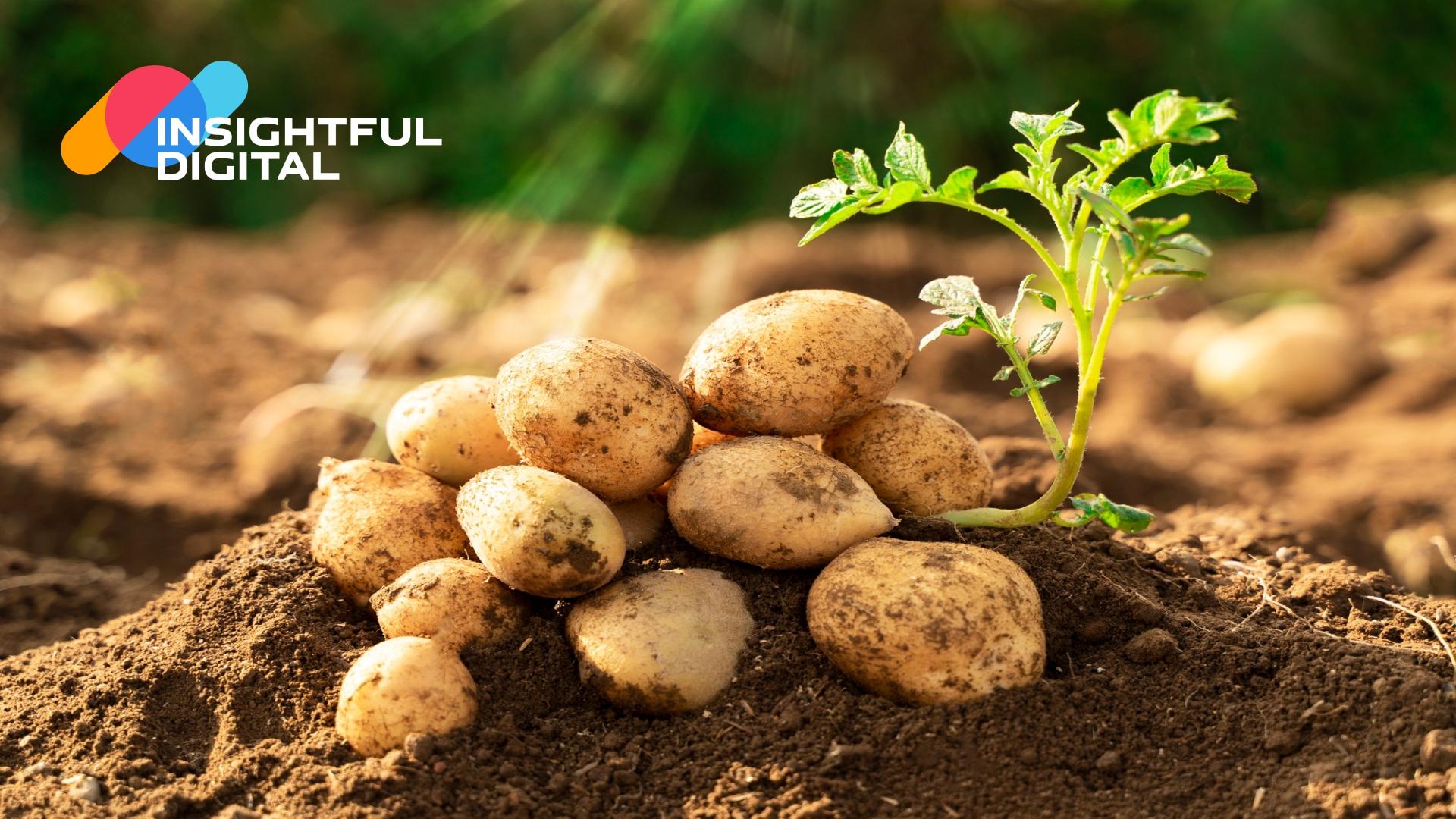
India is taking a major step in the fight against malnutrition by introducing bio-fortified potatoes enriched with iron. This innovative move, supported by the International Potato Center (CIP), aims to improve the nutritional intake of millions, especially women and children who are more vulnerable to iron deficiency.
What Are Bio-Fortified Potatoes?
Bio-fortified potatoes are a new generation of tubers developed using traditional breeding and advanced biotechnology. These potatoes contain higher levels of iron and are tailored to meet the nutritional needs of Indian consumers while maintaining taste and yield quality. The project is led by CIP, a global leader in potato research, headquartered in Peru.
Current Expansion of Bio-Fortified Crops in India
India is already seeing success with Vitamin A-enriched sweet potatoes grown in states like Karnataka, Assam, Odisha, and West Bengal. Now, iron-fortified potato varieties are in the pipeline. Peru’s high-iron potato strains are currently under trials in India to assess their suitability for Indian climates.
The ICAR-Central Potato Research Institute (CPRI) in Shimla is working closely with CIP to test and eventually distribute these nutrient-rich varieties. To further this goal, a new South Asia Regional Centre is being established in Agra, Uttar Pradesh—right in the heart of the Indo-Gangetic plains, the world’s largest potato-producing region.
Other Biofortified Crops Released in India
ICAR has been at the forefront of biofortification in India. It has released enriched seed varieties in 61 crops, including:
- 34 field crops (cereals, pulses, millets, oilseeds)
- 27 horticultural crops (vegetables, tubers, medicinal plants)
Noteworthy examples include:
- CR Dhan 416: Salt-tolerant rice variety with pest resistance.
- Durum Wheat: Rich in zinc (41.1 ppm), iron (38.5 ppm), and 12% protein; ideal for irrigated regions.
Understanding Biofortification
Biofortification is the process of naturally increasing the nutritional value of crops through traditional breeding, modern biotechnology, or agronomic practices. It serves as a cost-effective and sustainable approach to reduce "hidden hunger"—micronutrient deficiency in large populations.
Objective Questions for Competitive Exams
Q.1. Which international organization helped India introduce iron-rich bio-fortified potatoes?
a) World Health Organization
b) International Rice Research Institute
c) International Potato Center (CIP)
Answer: c) International Potato Center (CIP)
Q.2. In which Indian state is the new CIP South Asia Regional Centre being established?
a) Punjab
b) Uttar Pradesh
c) Bihar
Answer: b) Uttar Pradesh
Q.3. What is the primary goal of introducing bio-fortified potatoes in India?
a) Improve export of potatoes
b) Combat iron deficiency and hidden hunger
c) Increase crop production speed
Answer: b) Combat iron deficiency and hidden hunger
Q.4. Which rice variety developed by ICAR is resistant to salinity and pests?
a) CR Dhan 416
b) Basmati 370
c) IR64
Answer: a) CR Dhan 416
Q.5. What is the iron content (in ppm) in the biofortified Durum wheat variety?
a) 25.3 ppm
b) 38.5 ppm
c) 42.0 ppm
Answer: b) 38.5 ppm