
Believe it or not, a new species of eel has popped up in Tamil Nadu waters. Scientists exploring near Kanyakumari found a tiny snake eel hiding in the sand. They named it Apterichtus kanniyakumari. It’s small, shy, and completely off the radar for most fishermen.
A Shy Creature
This eel doesn’t swim around like regular eels you see in rivers. It burrows in shallow sandy seabeds and spends most of its life hidden. Researchers had to dig carefully to even spot it. One of them said, “It almost seemed shy. You could barely see it, and yet it was there, right under our noses.”
Kanyakumari’s waters are unique. Arabian Sea, Bay of Bengal, Indian Ocean - they all meet here. The mix creates strange currents and habitats, perfect for hidden creatures like this one. Scientists are still surprised by what turns up in these waters.
Small Body, Big Adaptation
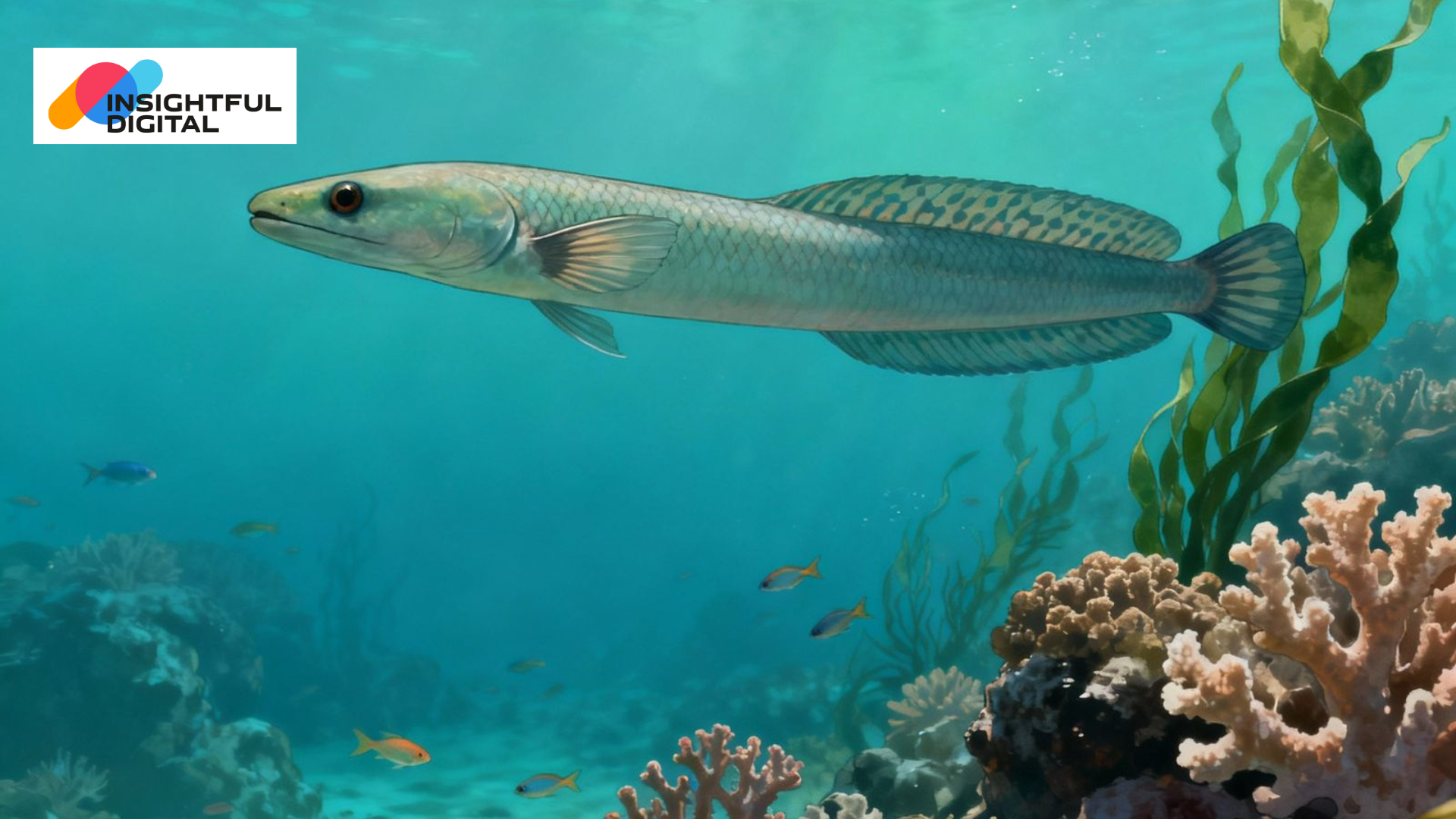
Apterichtus kanniyakumari is only about 15–20 cm long. Thin, cylindrical, almost worm-like. No big fins, just enough to slip through the sand. Its pale brown body has faint darker lines, which help it vanish into its surroundings.
The head is pointed. Tiny teeth, just right for munching on small crustaceans. Watching it, you can see how evolution made it perfectly for life underground. Every little detail serves a purpose.
Why Scientists Care
Finding a new species is exciting. But it’s more than that. It tells us about biodiversity, evolution, and how little we actually know about our coasts. India’s southern waters are still full of surprises. You never know what might be hiding just beneath the surface.
It also reminds us why protecting coastal habitats matters. The sandy seabeds this eel calls home are fragile. Development, pollution, overfishing - all threaten these areas. Save the habitat, and you save not just this eel, but countless other hidden species.
Studying Burrowing Eels
Burrowing eels are tricky. They rarely leave their sandy burrows. Conventional nets don’t work. Scientists had to sample carefully, examine tiny details, and even check their DNA to confirm it was a new species. Tedious work, but that’s the thrill of discovery.
Every time you spot something like this, it feels like winning a small lottery. You know that what you see is rare. You know it may never appear again. And yet, there it is, showing us how rich our seas are.
Looking Ahead
Apterichtus kanniyakumari isn’t evaluated for conservation yet. But researchers say protecting its home is critical. Regulating fishing, monitoring pollution, and keeping sandy seabeds intact is the only way to ensure it survives.
This tiny eel is also a chance to inspire local communities. Knowing something so rare exists right in their backyard can encourage pride and care for the environment.
Conclusion
Apterichtus kanniyakumari may be small, but it tells a big story. Hidden beneath the sands of Tamil Nadu, it shows how much of nature is still a mystery. It’s a reminder to look closer, explore more, and protect our fragile ecosystems. And who knows? The next surprise could already be waiting just a few meters away.
MCQs for Readers:
1. Where was Apterichtus kanniyakumari discovered?
a) Kerala
b) Tamil Nadu
c) Andhra Pradesh
d) Karnataka
Answer: b) Tamil Nadu
2. What type of habitat does this eel prefer?
a) Rivers and lakes
b) Sandy and silty seabeds
c) Coral reefs
d) Mangrove roots
Answer: b) Sandy and silty seabeds
3. How long is Apterichtus kanniyakumari typically?
a) 5–10 cm
b) 15–20 cm
c) 25–30 cm
d) 30–35 cm
Answer: b) 15–20 cm
4. What is unique about its body for burrowing?
a) Large dorsal fins
b) Cylindrical shape and no prominent fins
c) Bright color
d) Flattened tail
Answer: b) Cylindrical shape and no prominent fins
5. Why was it named Apterichtus kanniyakumari?
a) After the scientist who discovered it
b) After the region where it was found
c) It’s a random scientific name
d) After its diet
Answer: b) After the region where it was found
6. What does this discovery highlight?
a) India’s river biodiversity
b) Hidden marine life and biodiversity
c) Only the Arabian Sea species
d) Mangrove ecosystem importance
Answer: b) Hidden marine life and biodiversity
7. What kind of diet does this eel have?
a) Plants and algae
b) Tiny invertebrates and crustaceans
c) Large fish
d) Seaweed
Answer: b) Tiny invertebrates and crustaceans
8. Why is studying burrowing eels challenging?
a) They are aggressive
b) They rarely leave the sand
c) They are too big
d) They live in coral reefs
Answer: b) They rarely leave the sand
9. What threats do its habitats face?
a) Pollution and overfishing
b) Predators like sharks
c) Seasonal drought
d) Tsunamis only
Answer: a) Pollution and overfishing
10. What is the key conservation message from this discovery?
a) Focus on rivers
b) Protect sandy seabeds and coastal ecosystems
c) Build more ports
d) Relocate the species
Answer: b) Protect sandy seabeds and coastal ecosystems