
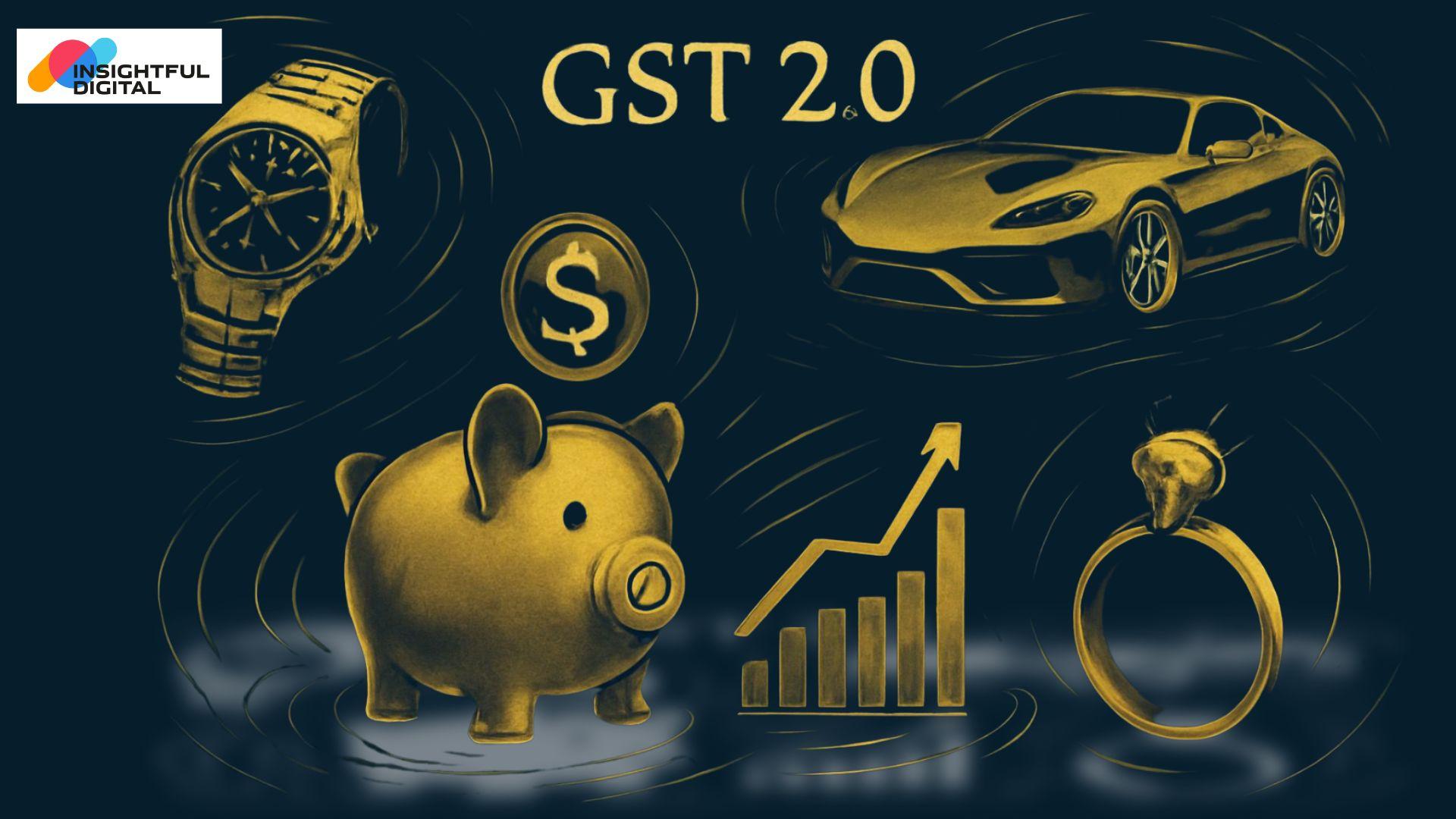
The Goods and Services Tax (GST) system may soon be entering a second chapter. With policymakers weighing changes in rate slabs, compliance norms, and sectoral levies, GST 2.0 is shaping up to be more than a routine tax tweak. It could redefine how India’s wealthy consume, invest, and manage their portfolios.
Luxury Takes the First Hit
Luxury cars, designer goods, and high-end electronics have always been easy targets for tax recalibration. If the next phase of GST introduces higher rates on these items, the intent will be clear - to position luxury as taxable indulgence rather than essential consumption. Industry insiders note that such moves might not dent demand drastically, but they can nudge affluent buyers to reconsider timing and structuring of big-ticket purchases. For brands, it may translate into shorter sales cycles before a tax hike and longer quiet periods after.
Investment Products Under the Scanner
The discussion doesn’t end with handbags and SUVs. Mutual funds, insurance products, and even digital investment platforms are being assessed for GST treatment. While most financial instruments already carry embedded charges, an increase in the service tax component could push overall costs higher for retail and HNI investors alike. Advisors argue that even a small percentage shift can alter return expectations, especially in debt funds and insurance-linked products where margins are thinner.
Wealth Planning Gets More Complicated
Wealth managers are watching closely. Higher taxation on luxury and financial services may push affluent families to reorganize their spending and saving mix. Trust structures, family offices, and offshore investments could become more attractive as tax-optimized routes. On the other hand, professionals also caution that over-engineering tax avoidance can expose clients to scrutiny - a reminder that GST 2.0 is not just about rates, but also about compliance tightening.
A Wider Ripple in the Economy
Beyond boardrooms and boutiques, GST 2.0 could subtly shift consumption behavior across urban India. A sharper luxury tax might slow demand in top-tier cities, while increased costs in financial services could dampen retail investment enthusiasm. Policymakers face a balancing act: raising revenue without choking aspirational consumption. If done right, GST 2.0 could expand the government’s fiscal space while nudging consumers toward more responsible spending.
Looking Ahead
For now, GST 2.0 is still in the proposal and discussion stage. But the signal is unmistakable - taxation in India is set to get more layered and more pointed at sectors where spending power is highest. Whether you are a luxury car dealer, a mutual fund distributor, or a family office advisor, the writing on the wall is clear: prepare clients and consumers for a new tax reality.
MCQs for Readers:
1. What is GST 2.0 primarily expected to change?
a) Political system
b) Rate slabs and compliance norms
c) Agricultural subsidies
d) Minimum wages
Answer: b) Rate slabs and compliance norms
2. Which sector is most likely to face higher taxation under GST 2.0?
a) Agriculture
b) Luxury goods
c) Education
d) Healthcare
Answer: b) Luxury goods
3. How might higher GST on financial products affect investors?
a) Increase overall return expectations
b) Reduce service costs
c) Increase costs and reduce net returns
d) Eliminate compliance needs
Answer: c) Increase costs and reduce net returns
4. Why could wealth managers reorganize client strategies under GST 2.0?
a) To avoid luxury spending
b) To manage tax implications better
c) To increase agricultural exposure
d) To reduce global investments
Answer: b) To manage tax implications better
5. What balancing act do policymakers face with GST 2.0?
a) Reduce imports and exports
b) Raise revenue without stifling demand
c) Remove GST entirely
d) Lower interest rates
Answer: b) Raise revenue without stifling demand
6. Which group may turn to offshore investments post GST 2.0?
a) Farmers
b) Students
c) Affluent families
d) Retail shop owners
Answer: c) Affluent families
7. What long-term effect could GST 2.0 have on luxury consumption?
a) Encourage higher spending on luxury
b) Discourage demand due to higher costs
c) Make luxury goods tax-free
d) Eliminate import duties
Answer: b) Discourage demand due to higher costs
8. Which financial products could see thinner margins due to GST increase?
a) Real estate and gold
b) Debt funds and insurance-linked products
c) Cryptocurrencies
d) Bonds issued abroad
Answer: b) Debt funds and insurance-linked products