
Venus has often been described as Earth’s “twin,” yet its reality is far harsher. With surface temperatures hotter than 450°C, pressures more than 90 times that of Earth’s atmosphere, and corrosive clouds of sulfuric acid, the planet presents extraordinary challenges to exploration. Russia, with its Soviet-era legacy of pioneering Venus missions, has now announced a new chapter: the ambitious Venera-D mission, planned for launch between 2034 and 2036. This mission intends to revive the Soviet Venera tradition, combining modern engineering with updated scientific priorities.
Historical Background
During the 1960s–1980s, the Soviet Union’s Venera and Vega programs became the first to land on Venus, transmit data from its surface, and send atmospheric balloons drifting through its skies. These missions provided invaluable first glimpses into Venus’s pressure, temperature, and hostile conditions. However, after the dissolution of the Soviet Union, Russian interplanetary efforts slowed considerably. Venera-D will represent the first major attempt in decades to continue this legacy and reassert Russia’s presence in planetary exploration.
What is Venera-D?
“Venera-D” stands for “Venera-Dolgozhivushaya,” meaning “long-lived Venus.” The name reflects the mission’s goal: to design spacecraft systems capable of surviving far longer in Venus’s hostile environment than previous landers. Unlike earlier missions, which survived only about two hours on the surface, Venera-D is being engineered for extended operations, integrating advanced thermal protection, high-temperature electronics, and innovative cooling methods.
Mission Components
The mission architecture consists of three major components:
Lander
The lander will attempt to outlast earlier Soviet probes, using upgraded insulation, pressure vessels, and possibly active cooling technologies. It will study the mineral composition of surface rocks, soil mechanics, and chemical weathering. Instruments could include X-ray fluorescence spectrometers, seismic detectors (if feasible), and soil analysis equipment. The lander will also attempt to measure variations in surface radiation and search for traces of volcanic gases seeping from the crust.
Orbital Spacecraft
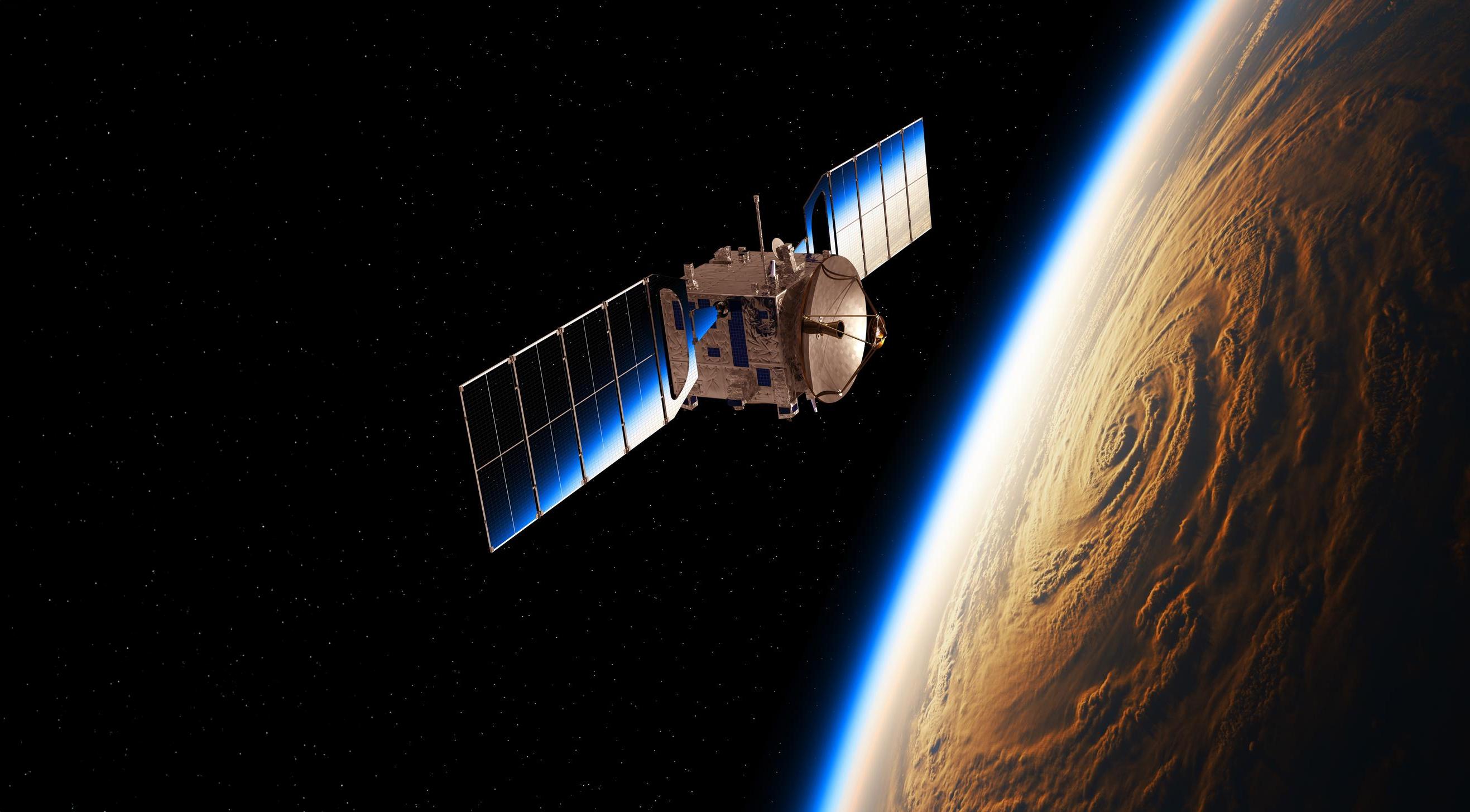
The orbiter will serve both as a communication relay and a full-fledged research platform. Planned studies include mapping surface geology with radar to penetrate the dense clouds, charting topography to locate volcanic and tectonic features, and analyzing atmospheric circulation patterns globally. The orbiter will also compare its radar data with NASA’s upcoming VERITAS mission, enabling cross-validation between two independent missions.
Balloon Probe
The balloon system will operate at altitudes of 50–60 km, where conditions are relatively moderate compared to the surface. At these heights, temperatures are closer to Earth’s average, allowing longer mission duration. The balloon probe will carry instruments to measure cloud droplet chemistry, study photochemical processes, track wind velocities, and monitor vertical circulation in real time. It will help answer whether phosphine or other unusual chemicals exist in the atmosphere, a recent debate in planetary science.
Timeline and Development Plan
Russia’s Space Research Institute (IKI) has confirmed that preliminary design work begins in January 2026. The design phase, lasting about two years, will involve the Lavochkin Association, known for its experience in planetary spacecraft. Following this, prototype testing, subsystem validation, and integration will proceed through the late 2020s and early 2030s. The final launch window is set between 2034 and 2036, depending on readiness and planetary alignment.
Technical Challenges
Designing spacecraft to endure Venus’s extreme environment is uniquely difficult. Challenges include:
- Developing electronics capable of operating at 460°C without rapidly failing.
- Ensuring lander materials resist corrosion from the acidic atmosphere.
- Creating reliable communication systems through thick, reflective cloud layers.
- Engineering the balloon probe’s skin to survive long exposure to sulfuric acid droplets.
Overcoming these challenges will require innovations in materials science, thermal engineering, and power management.
Scientific Objectives
Venera-D’s science program is broad, aiming to address multiple long-standing mysteries about Venus:
- Atmospheric Dynamics: Track super-rotation of the upper atmosphere and cloud-level wind speeds.
- Surface Processes: Search for active volcanism or tectonic activity to confirm if Venus is still geologically alive.
- Climate Evolution: Compare Venus’s runaway greenhouse effect with Earth’s climate to better understand planetary habitability thresholds.
- Potential Habitability: Investigate whether micro-niches in the upper atmosphere could have once supported microbial life.