
Karnataka, located in the southern part of India, is a state known for its rich cultural heritage, classical music, ancient temples, IT hub, and natural beauty. The state was formed on 1st November 1956 as Mysore State, and later renamed Karnataka in 1973. Its capital, Bengaluru (Bangalore), is often called the “Silicon Valley of India” because it is the nation’s IT powerhouse.
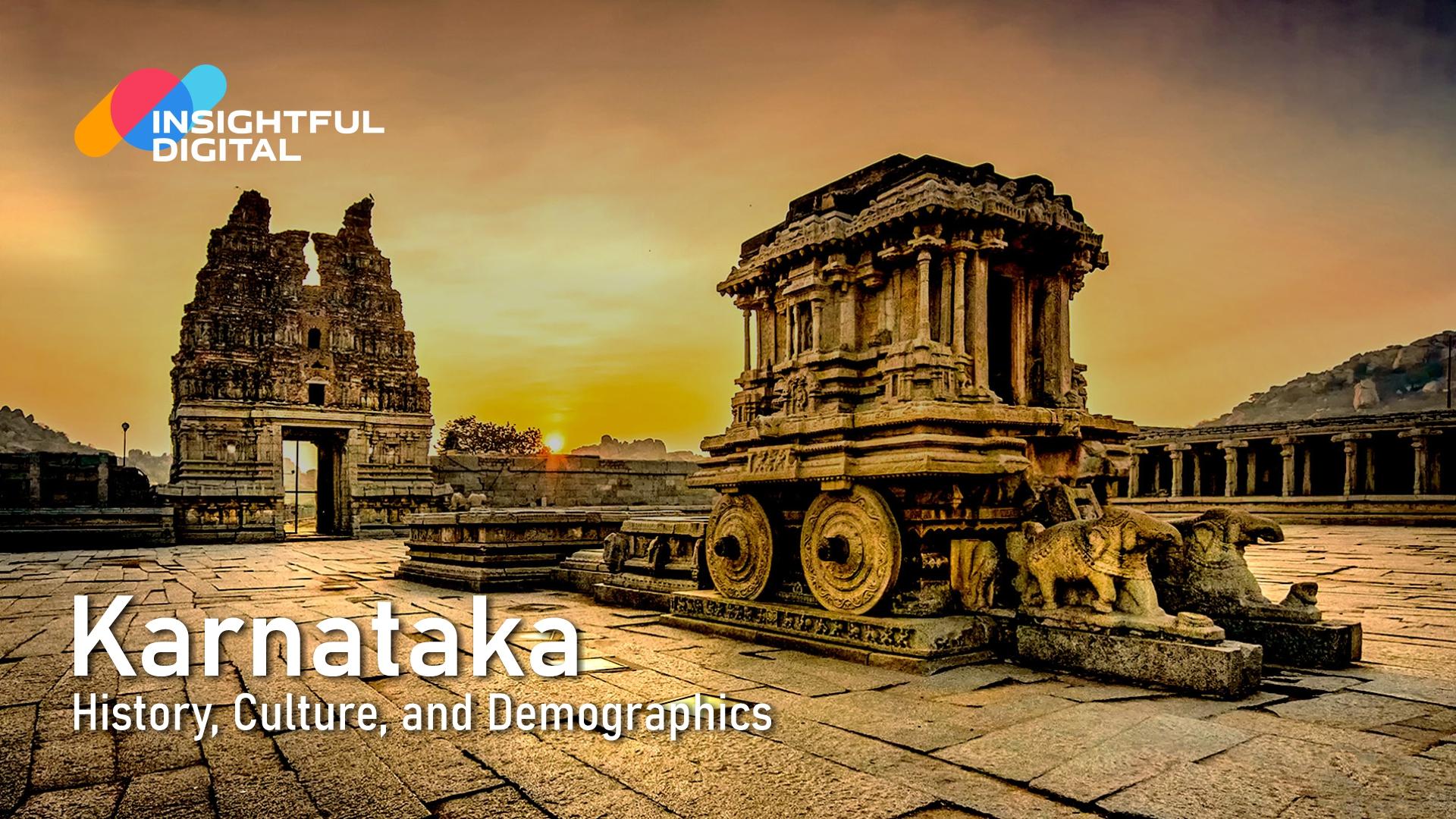
Historically, Karnataka has been home to glorious empires like the Chalukyas, Hoysalas, Vijayanagara Empire, and Wodeyars of Mysore. Architecturally, the state is blessed with wonders such as Hampi (UNESCO site), Belur and Halebidu temples, and Gol Gumbaz in Bijapur.
Culturally, Karnataka is famous for its Carnatic classical music, Yakshagana theatre, and Bharatanatyam dance. The cuisine, festivals, and language diversity add more vibrance. For exam aspirants, Karnataka holds importance because of its historical dynasties, IT revolution, space research hub (ISRO), and rich biodiversity.
Historical Significance
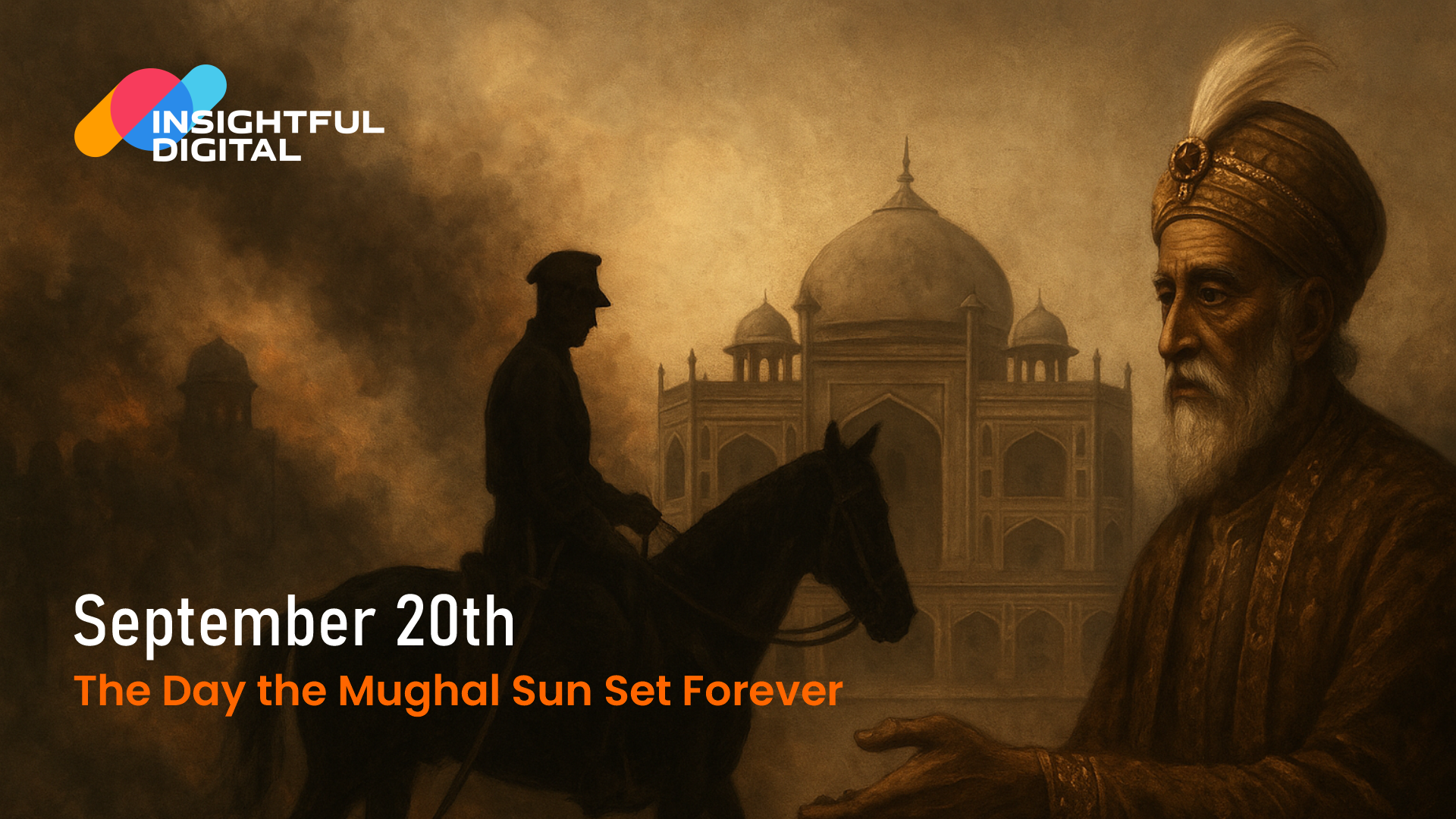
Ancient Karnataka was ruled by dynasties like the Mauryas and Satavahanas. Major medieval dynasties included the Kadambas, Chalukyas (Badami & Kalyani), Rashtrakutas, Hoysalas, and Vijayanagara Empire. The Vijayanagara Empire (1336–1646) was one of the most powerful South Indian empires with its capital at Hampi. Later, the region came under the Mughals, Marathas, and Tipu Sultan of Mysore, who fought against the British. Tipu Sultan (the Tiger of Mysore) is remembered for his bravery and modern warfare. Post-independence, Mysore State was reorganized in 1956, and in 1973 it was renamed Karnataka.
Geography & Location
- Area: 191,791 sq. km. (6th largest in India).
- Borders: Maharashtra, Goa, Kerala, Tamil Nadu, Andhra Pradesh, Telangana, and Arabian Sea.
- Rivers: Krishna, Kaveri, Tungabhadra, Sharavathi, Hemavati, Malaprabha.
- Climate: Tropical – coastal humid, interior dry, hill stations cool.
- Important Cities: Bengaluru, Mysuru, Mangaluru, Hubballi-Dharwad, Belagavi, Ballari, Shivamogga, Davangere.
- Districts (31): Bengaluru Urban, Bengaluru Rural, Mysuru, Mandya, Hassan, Tumakuru, Shivamogga, Dakshina Kannada, Udupi, Chikkamagaluru, Dharwad, Belagavi, Bagalkot, Vijayapura, Raichur, Ballari, Gadag, Koppal, Bidar, Kalaburagi, Yadgir, Chamarajanagar, Kodagu, Haveri, Davanagere, Chitradurga, Uttara Kannada, Ramanagara, Kolar, Chikkaballapur.
Culture & Traditions
- Art & Architecture: Chalukyan temples (Badami, Pattadakal), Hoysala temples (Belur, Halebidu), Vijayanagara ruins (Hampi).
- Dance & Music: Yakshagana, Dollu Kunitha, Bharatanatyam, Carnatic Music (Purandara Dasa – Father of Carnatic Music).
- Festivals: Ugadi, Mysuru Dasara, Karaga, Kambala, Vairamudi.
- Cuisine: Dosa, Idli, Vada, Bisi Bele Bath, Ragi Mudde, Mysore Pak, Neer Dosa, filter coffee.
- Handicrafts: Mysore silk, sandalwood carving, Bidriware, Channapatna toys.
Language & Literature
- Official Language: Kannada.
- Other Languages: Tulu, Konkani, Kodava, Urdu, Marathi, Telugu, Tamil.
- Notable Writers: Kuvempu, U. R. Ananthamurthy, Girish Karnad, Masti Venkatesha Iyengar.
- Folk Literature: Vachana Sahitya by Basavanna and other saints.
Demographics & Society
- Population: ~6.5 crore (Census 2011: 6.1 crore).
- Literacy Rate: ~75.4%.
- Urban vs. Rural: High urban population due to Bengaluru, Mysuru, Mangaluru.
- Major Religions: Hinduism, Islam, Christianity, Jainism, Buddhism.
- Communities: Lingayat, Vokkaliga, Kuruba, Brahmins, Muslims, Kodavas, and tribal groups.
Economy & Development
- Agriculture: Rice, ragi, maize, sugarcane, cotton, coffee (Kodagu is called “Coffee Land of India”).
- Industries: IT (Bengaluru), silk, aerospace, biotechnology, automobiles.
- Minerals: Iron ore, manganese, gold (Kolar Gold Fields).
- Tourism: Hampi, Mysuru Palace, Jog Falls.
- Contribution: Karnataka contributes significantly to IT exports and coffee production.
Education & Institutions
- Major Universities: Bangalore University, Mysore University, Karnataka University, Mangalore University.
- Research & Technology: IISc Bengaluru, NIMHANS, ISRO (Bengaluru), IIM Bangalore, NITK Surathkal, IIIT Bangalore.
- Specialty: Known as India’s Knowledge Hub due to research and higher education centers.
Tourist Attractions
- UNESCO World Heritage: Hampi, Pattadakal.
- Palaces & Forts: Mysore Palace, Gol Gumbaz, Bangalore Palace.
- Natural Beauty: Jog Falls, Coorg, Kudremukh, Bandipur & Nagarhole National Parks.
- Temples: Belur, Halebidu, Gokarna, Murudeshwar.
Why Karnataka is Important
- Political: Bengaluru is a tech hub and political center.
- Cultural: Preserves classical music, Yakshagana, temple architecture.
- Economic: Leading state in IT, silk, coffee, aerospace, education.
- Scientific: ISRO and top universities make it India’s science capital.
Conclusion
Karnataka is a blend of tradition and technology. From the heritage of Hampi and Mysuru to Bengaluru’s IT revolution, Karnataka symbolizes India’s balance of culture and modern growth. For students, it is important historically, scientifically, and economically.
Objective Questions for Competitive Exams
Q.1. Karnataka was renamed from Mysore State in which year?
a) 1956
b) 1973
c) 1980
d) 1960
Answer: b) 1973
Q.2. Which city is known as the “Silicon Valley of India”?
a) Mysuru
b) Mangaluru
c) Bengaluru
d) Belagavi
Answer: c) Bengaluru
Q.3. Hampi was the capital of which empire?
a) Chalukyas
b) Rashtrakutas
c) Vijayanagara Empire
d) Hoysalas
Answer: c) Vijayanagara Empire
Q.4. Who is known as the “Father of Carnatic Music”?
a) Thyagaraja
b) Purandara Dasa
c) M. S. Subbulakshmi
d) Kuvempu
Answer: b) Purandara Dasa
Q.5. Jog Falls is located on which river?
a) Kaveri
b) Krishna
c) Sharavathi
d) Tungabhadra
Answer: c) Sharavathi
Q.6. The famous “Mysore Dasara” festival is celebrated in honor of which goddess?
a) Durga
b) Chamundeshwari
c) Parvati
d) Lakshmi
Answer: b) Chamundeshwari
Q.7. Which is the main coffee-producing district of Karnataka?
a) Kodagu (Coorg)
b) Mandya
c) Hassan
d) Shivamogga
Answer: a) Kodagu (Coorg)
Q.8. ISRO headquarters is located in:
a) Hyderabad
b) Chennai
c) Bengaluru
d) Thiruvananthapuram
Answer: c) Bengaluru
Q.9. Gol Gumbaz in Karnataka is the tomb of:
a) Tipu Sultan
b) Hyder Ali
c) Muhammad Adil Shah
d) Krishnadevaraya
Answer: c) Muhammad Adil Shah
Q.10. Who was the famous ruler of Mysore known as the “Tiger of Mysore”?
a) Hyder Ali
b) Tipu Sultan
c) Krishnaraja Wodeyar
d) Basavanna
Answer: b) Tipu Sultan