When my friend launched her handmade soap business, she spent months perfecting the fragrances, the packaging, and even the Instagram page. But within six months, another shop popped up in the same city with almost identical branding and a name that sounded confusingly similar. Customers started mixing the two up, and she had to fight to rebuild her identity. That’s when she realized she should have trademarked her brand from day one.
Stories like hers are more common than you’d think-and that’s where Intellectual Property (IP) comes in.
So, what exactly is Intellectual Property?
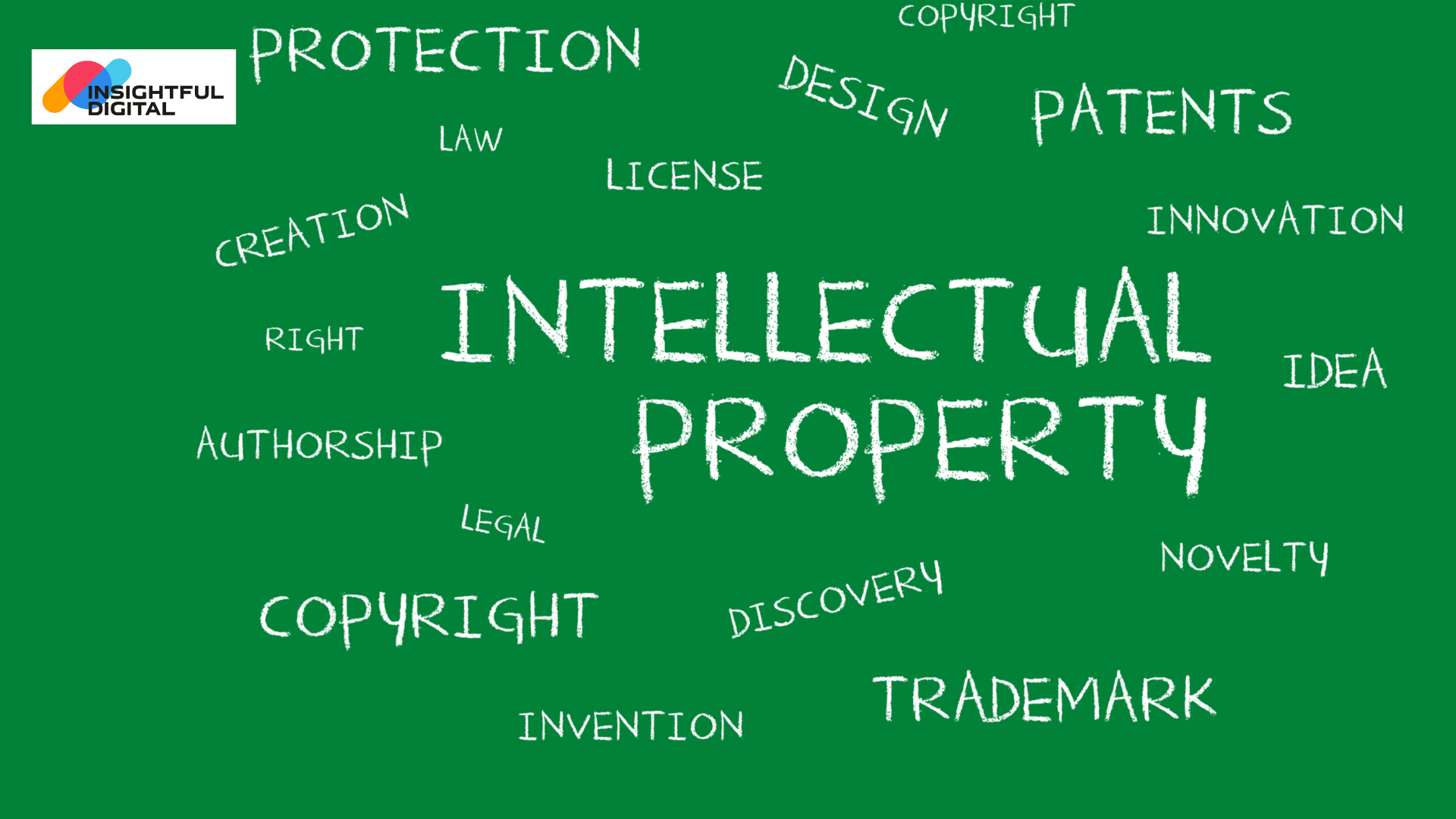
Intellectual Property is simply the legal shield for your ideas. Think of it as the difference between someone admiring your innovation and someone copying it. You don’t own the soap bars, the app code, or the restaurant dish itself-you own the creative effort and uniqueness behind it.
For entrepreneurs, IP is not an optional fancy legal step. It can be the very thing that keeps your idea alive in a competitive market. Remember how Ola and Uber fought over market share? A big part of their strength came from protecting their brand, technology, and processes.
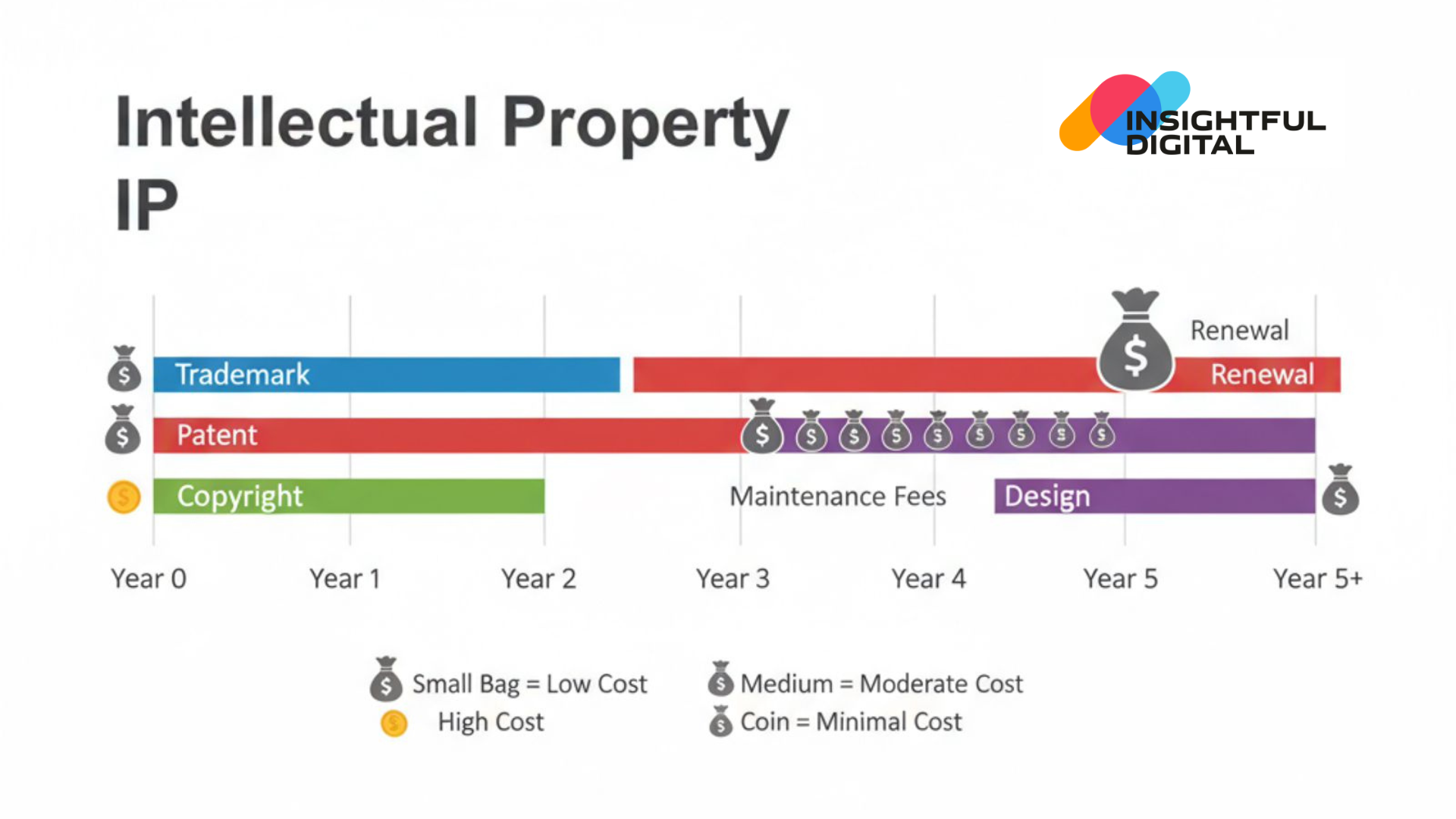
The main types of IP every entrepreneur should know:
Trademarks – These protect your brand identity. If you’re running a café called “Bean Bliss,” a trademark ensures no one else in your city-or across India-can legally use that name. One Delhi-based café owner I met said registering their logo was the smartest move they ever made, because a chain tried to copy it later.
Copyrights – Perfect for creative content like blog posts, training materials, or app designs. I once worked with a small edtech startup that didn’t copyright their video courses. A competitor ripped them, uploaded them online, and it took months to sort out. A simple copyright could have prevented that mess.
Patents – This is what you need if you’ve invented something truly new. Patents might sound intimidating, but they’re a goldmine. A Bangalore-based hardware startup I know managed to raise funding only because their product was patent-protected. Investors loved that no one else could easily copy their design.
Trade Secrets – Sometimes, the best strategy is to keep your formula private. Think about Coca-Cola’s recipe or the masala mix of your favorite local eatery. Some businesses thrive simply because nobody else can crack their secret.
Why should entrepreneurs care?
Because without IP, your idea is vulnerable. Imagine spending years building trust in your brand, only to see counterfeit products sold under your name. Worse, you might even face legal trouble if someone else registers your idea first.
Also, from an investor’s perspective, IP is like a badge of seriousness. I’ve seen pitch decks where the words “Patent Filed” instantly made the startup look more credible. Even if you’re not chasing big VC money, having IP protection shows you’re thinking long-term.
Practical tips to get started
Do a name search before launching. A quick Google or trademark search can save you from headaches later.
Record everything. Whether it’s design drafts, product sketches, or content, documentation gives you evidence of originality.
Start simple. Trademark your business name or logo first-then move to patents or copyrights if needed.
Ask for help. Talk to a lawyer or mentor who’s handled IP before. Many incubators also provide free guidance on this.
Final thought
Starting a business already feels like juggling fire-customers, cash flow, marketing, all at once. But here’s the thing: ignoring IP can burn down everything you’ve built before it even takes off.
So next time you’re sketching out that dream idea, ask yourself: If someone copied this tomorrow, would I be ready? Protecting your Intellectual Property might not feel urgent today, but six months down the line, you’ll be glad you did.
After all, your ideas are the soul of your business-and souls deserve protection.
MCQs for Readers:
1. What does Intellectual Property primarily protect?
a) Physical office space
b) Creative ideas and innovations ✅
c) Employee salaries
d) Marketing campaigns
2. Which of the following protects a business name or logo?
a) Copyright
b) Trademark ✅
c) Patent
d) Trade Secret
3. Copyright applies mainly to:
a) Recipes and formulas
b) Creative works like books, videos, and designs ✅
c) Business logos
d) Inventions
4. A patent is useful for entrepreneurs who:
a) Invent new products or processes ✅
b) Want to secure social media accounts
c) Design logos
d) Write blogs
5. Coca-Cola’s recipe is an example of:
a) Trademark
b) Patent
c) Trade Secret ✅
d) Copyright
6. Why do investors care about IP in startups?
a) It reduces their marketing expenses
b) It proves the startup is serious and future-ready ✅
c) It increases office space value
d) It helps in tax exemptions
7. What should be the first simple step for a new business to protect its IP?
a) File for a patent immediately
b) Keep ideas secret
c) Trademark the business name or logo ✅
d) Ignore IP until growth
8. Which of these is NOT a type of Intellectual Property?
a) Trademark
b) Copyright
c) Franchise ✅
d) Patent
9. One quick way entrepreneurs can avoid legal issues is by:
a) Skipping IP registration
b) Doing a name search before launching ✅
c) Copying a competitor’s logo
d) Sharing their trade secrets online
10. The main benefit of IP protection for entrepreneurs is:
a) Free advertising
b) Ownership and control over their ideas ✅
c) Government subsidies
d) Unlimited business growth