
When I first heard the word “trademark,” I thought it was only for big companies like Coca-Cola, Tata, or Nike. But over time, while talking with entrepreneurs, I realized it matters just as much for small businesses too. A friend of mine runs a little café in Patna, and she was shocked when someone down the road copied her café’s name and logo. That’s when she learned the hard way what trademarks can protect you from.
So, if you’re building a business in India - whether it’s selling handmade soaps online, running a consultancy, or opening a restaurant - understanding trademarks isn’t optional. It’s about securing your brand identity before someone else does.
Why Trademarks Matter
Think of a trademark as your business’s signature. It could be your brand name, your logo, or even a catchy tagline. Once it’s registered, nobody else can legally use it for the same class of goods or services.
Why does this matter? Because:
Brand Protection - It stops competitors from riding on your reputation. Imagine putting years into building your brand, only to find a copycat website with a similar name.
Customer Trust - People trust brands that look official. Seeing “®” next to your name sends a strong message.
Business Value - A trademark can become an asset. If you ever sell or franchise your business, that registered brand boosts the deal.
When my café-owner friend finally got her trademark approved, she told me, “It feels like my brand finally has a shield.” And honestly, that’s the best way to put it.
The Basics of Trademark Registration in India
Now let’s talk about the “how.” Registering a trademark sounds like a lawyer’s job, but once you understand the steps, it’s quite doable.
Trademark Search – Before you apply, check if your chosen name or logo is already taken. You can do this on the official IP India website (https://ipindia.gov.in). It’s better to spend 10 minutes here than face rejection later.
Pick the Right Class – Goods and services are divided into 45 different classes. For example, Class 30 covers food items, while Class 25 is for clothing. If you choose the wrong class, your trademark won’t protect you properly.
Filing the Application – You can apply online through the IP India portal. The basic details include your brand name, logo (if any), class, and business documents like PAN and address proof.
Examination & Objection – A government examiner checks your application. Sometimes, they may raise an objection - don’t panic, this is common. You just need to respond with clarifications.
Journal Publication – If cleared, your mark is published in the Trademark Journal. This gives others a chance to oppose if they feel your mark is too similar to theirs.
Approval & Certificate – If no opposition is filed (or you successfully defend it), congratulations - you receive your registration certificate. From that day, your brand is legally yours.
Tips & Best Practices
File Early - Don’t wait until your business is big. Even startups should secure their names early on.
Use TM vs ® - While your application is pending, you can use “™.” Once approved, you switch to “®.”
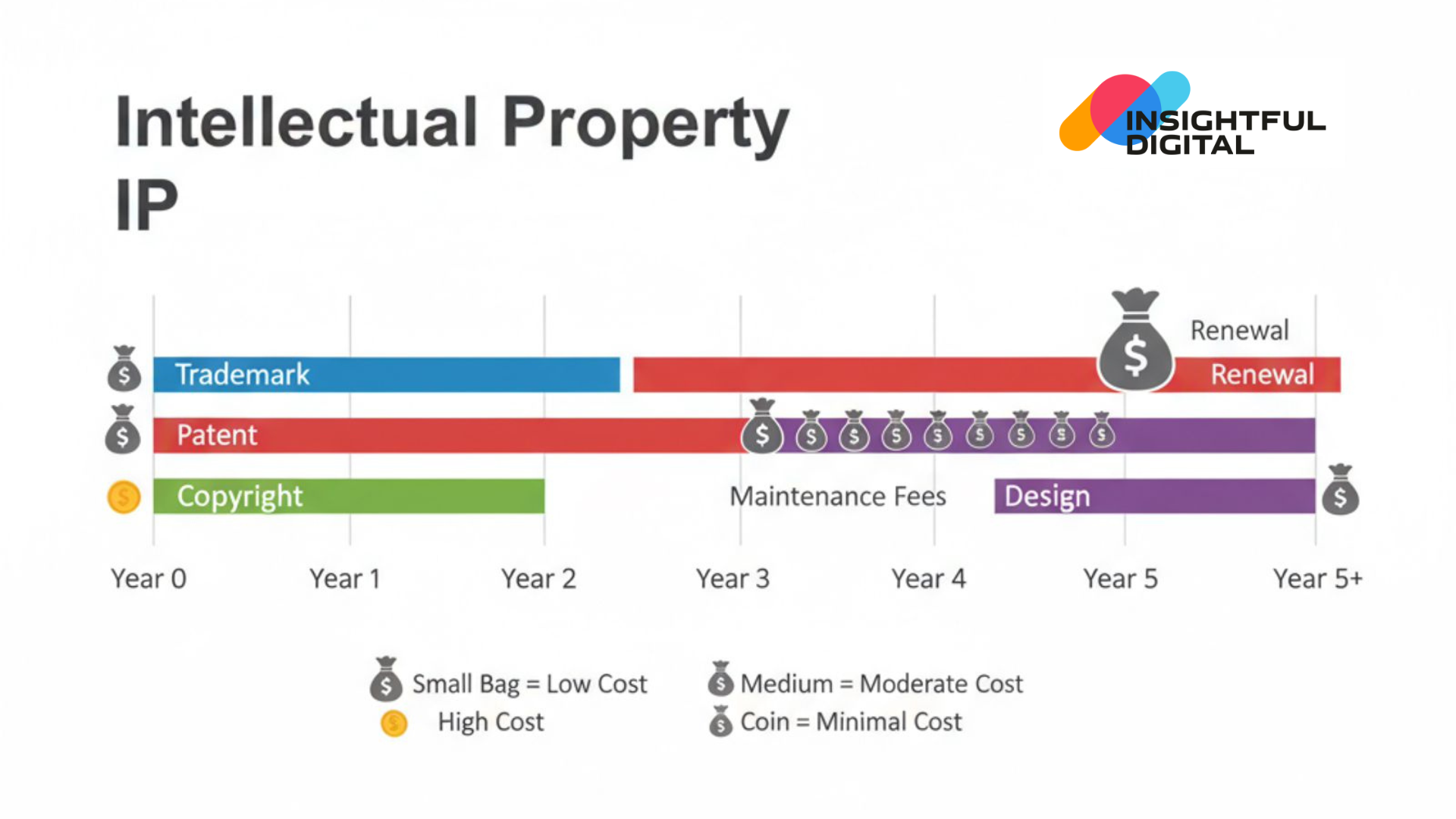
Keep Renewing - A trademark in India is valid for 10 years, but it’s renewable. Forgetting to renew means losing your protection.
Final Thoughts
In business, ideas travel fast. If you’ve got a good name or logo, someone else might copy it tomorrow. Registering a trademark doesn’t just make you look professional - it’s an investment in your brand’s future.
As my friend from the café said after her experience, “A business without a trademark feels like a house without a lock.” And she’s right. So, if you’re serious about growing your venture in India, put trademark registration on your to-do list today.
MCQs for Readers:
Q1. A trademark mainly protects:
a) Business loans
b) Brand identity
c) Company employees
d) Sales tax
Answer: b) Brand identity
Q2. In India, how many trademark classes exist?
a) 25
b) 30
c) 45
d) 50
Answer: c) 45
Q3. Which symbol can you use after filing but before approval?
a) ®
b) ™
c) ©
d) ℗
Answer: b) ™
Q4. A trademark in India is valid for how many years?
a) 5 years
b) 7 years
c) 10 years
d) 15 years
Answer: c) 10 years
Q5. Where can you perform a trademark search in India?
a) GST portal
b) MCA portal
c) IP India website
d) Startup India portal
Answer: c) IP India website
Q6. What happens after a trademark is examined and cleared?
a) Direct approval
b) Journal publication
c) Tax filing
d) Trademark loan application
Answer: b) Journal publication
Q7. Which of these is not protected under trademark law?
a) Logo
b) Tagline
c) Brand name
d) Company turnover
Answer: d) Company turnover
Q8. If a trademark application faces an objection, the applicant must:
a) Cancel the brand
b) Pay higher fees
c) Respond with clarifications
d) Apply for GST
Answer: c) Respond with clarifications
Q9. Once approved, you can use which symbol?
a) ®
b) ™
c) ©
d) ℗
Answer: a) ®
Q10. Why should startups file for a trademark early?
a) To secure funding
b) To avoid GST penalties
c) To protect their brand name before others copy it
d) To reduce employee costs
Answer: c) To protect their brand name before others copy it