
Setting SMART Goals for Your Entrepreneurial Journey
Part 1 - Why Goals Matter in Entrepreneurship
If you’ve ever tried building something from the ground up, you know how chaotic the early stages can feel. One day, you’re convinced you’ve cracked the big idea. The next day, you’re wondering if you should pivot, pause, or push harder. Without clear goals, you can drift in that uncertainty far too long.
Goals give your journey shape. They help you focus on what truly matters instead of chasing every opportunity that pops up. But here’s the thing – “work harder” or “sell more” aren’t real goals. They’re vague wishes. What you need are goals that tell you exactly what to do, how to measure progress, and when you’ve hit the target. That’s where the SMART framework comes in.
Part 2 – Breaking Down SMART Goals
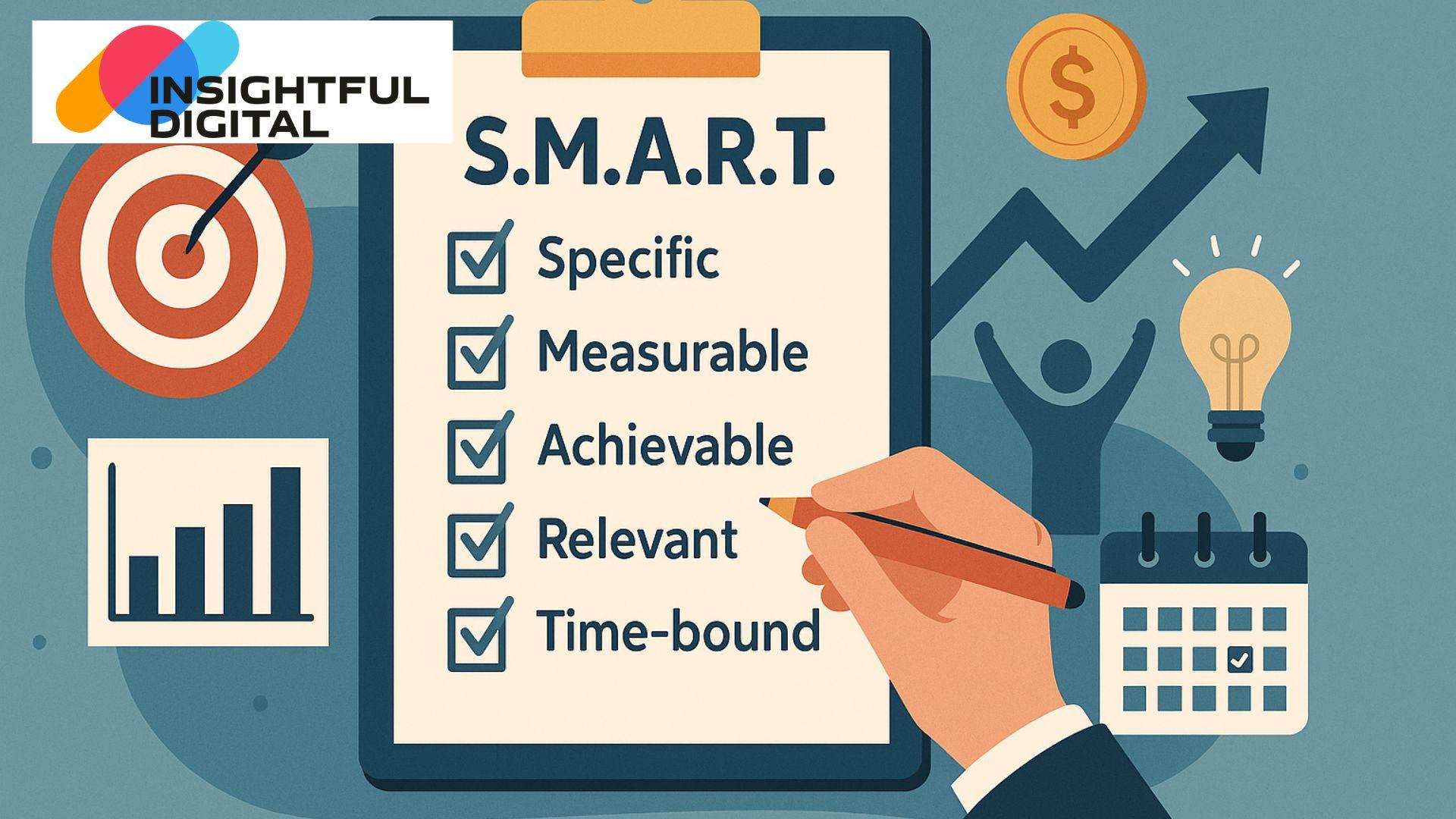
The SMART method turns fuzzy dreams into solid action steps. Here’s what each letter stands for:
- S – Specific: Define exactly what you want. “Increase revenue” is vague; “Grow monthly revenue by $5,000” is clear.
- M – Measurable : You need a way to track progress. Numbers and deadlines help you know if you’re on track.
- A – Achievable : Stretch yourself, but don’t set yourself up for failure. If your product is still in beta, doubling sales in a month might be too much.
- R – Relevant : Make sure the goal connects directly to your larger vision. If your aim is brand growth, measuring customer engagement might be more relevant than tracking warehouse efficiency.
- T – Time-bound: Deadlines push action. “Launch new product in 90 days” creates urgency.
Many entrepreneurs skip one or two of these and wonder why progress stalls. All five pieces are necessary to keep the goal balanced and actionable.
Part 3 – How to Apply SMART Goals to Your Business
Let’s say you’re running a small digital marketing agency. Instead of saying, “I want more clients”, you could frame it like this:
- Specific : Sign 3 new clients in the health & wellness niche.
- Measurable : Track sign-ups via CRM.
- Achievable : Based on your current lead flow, 3 clients in 6 weeks is realistic.
- Relevant : These clients fit your niche focus.
- Time-bound : Close deals by the end of next quarter.
When you write it this way, you can see exactly what needs to happen each week - reach out to X prospects, pitch to Y number, follow up with Z leads. Progress stops feeling random and starts feeling like a path.
Part 4 – Common Mistakes to Avoid
- Setting too many goals at once: Focus beats volume. Three well-defined goals are better than ten half-formed ones.
- Not revisiting goals: Markets change. If your timeline or resources shift, adjust your goals without guilt.
- Forgetting the “why”: Goals without meaning feel like chores. Always tie them to your bigger purpose.
SMART goals don’t just help you plan - they help you stay motivated when things get messy. They remind you of the progress you’ve already made, and they give you a way to celebrate small wins along the way.
MCQs
- Which of these is the best example of a SMART goal?
a) Increase my income
b) Sell 100 units of product X within 60 days through online channels
c) Work harder on my business
d) Get more customers
Answer: b - In SMART, the “T” stands for:
a) Targeted
b) Time-bound
c) Tactical
d) Transparent
Answer: b - What’s the main risk of setting unrealistic goals?
a) You’ll overachieve
b) You might lose motivation and give up
c) You’ll work less
d) You’ll make more mistakes
Answer: b - Which step ensures your goal connects to your long-term vision?
a) Specific
b) Achievable
c) Relevant
d) Measurable
Answer: c - If you want to track how close you are to your goal, which part of SMART matters most?
a) Specific
b) Measurable
c) Achievable
d) Time-bound
Answer: b
Stay tuned for our next article Day 8 - How to Generate Business Ideas That Actually Work.