
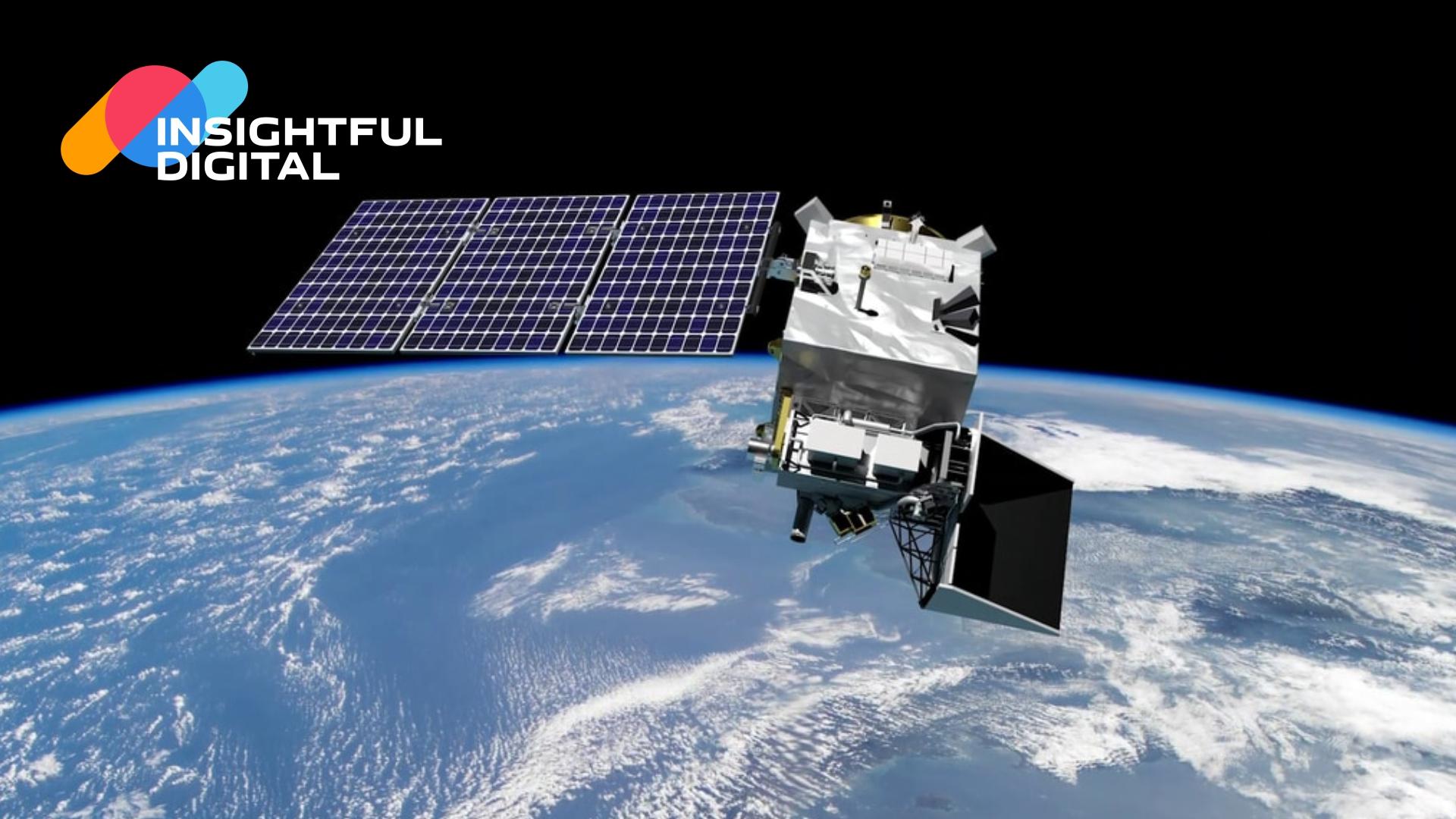
In a recent unprecedented move, NASA has embarked on a significant journey to uncover these mysteries by launching the Plankton, Aerosol, Cloud, Ocean Ecosystem (PACE) mission.
The vast expanse of our planet's oceans and the intricate dance of Earth's atmosphere hold crucial secrets for understanding and combating climate change. In a recent unprecedented move, NASA has embarked on a significant journey to uncover these mysteries by launching the Plankton, Aerosol, Cloud, Ocean Ecosystem (PACE) mission. This ambitious project promises to revolutionize our understanding of the complex interactions between air, water, and life, providing invaluable insights into our planet's changing climate.
Diving Deep into the Microscopic World
Launched on February 8, 2024, aboard a SpaceX Falcon 9 rocket, PACE is not your typical satellite. Equipped with a powerful hyperspectral ocean color instrument, it delves into the microscopic world, studying tiny marine organisms called phytoplankton. These microscopic marvels play a crucial role in regulating Earth's climate by absorbing massive amounts of carbon dioxide. By closely monitoring their distribution and health, PACE can reveal how oceans function and respond to environmental changes.
Peering Through Atmospheric Haze
But PACE doesn't stop at the water's surface. It also turns its keen eye skyward, investigating aerosols. These tiny airborne particles, ranging from dust and smoke to volcanic ash, can significantly impact both climate and air quality. By analyzing their types, distribution, and interactions with sunlight, PACE will provide deep insights into their effects on Earth's energy balance and climate patterns.
Collaborating for Climate Solutions
This groundbreaking mission is not a solo endeavor. PACE joins a fleet of existing Earth-observing satellites, forming a powerful network that monitors the health of our planet. The data collected will be freely available to scientists worldwide, fostering international collaboration and accelerating the development of effective climate solutions.
Impact Beyond Science
Beyond scientific advancement, the findings from PACE have the potential to positively impact society in numerous ways. It can enhance our ability to:
- Predict harmful algal blooms: Protecting marine ecosystems and ensuring food security.
- Forecast weather events: Reducing risks and safeguarding communities.
- Monitor air quality: Improving public health and environmental well-being.
- Develop sustainable practices: Ensuring a healthy planet for future generations.
Paving the Way for the Future
The PACE mission is a significant milestone in our quest to understand and tackle climate change. By peering into the hidden worlds of the oceans and atmosphere, it is uncovering critical knowledge that will empower us to make informed decisions and chart a sustainable course for our planet. So, keep an eye on this space, as the mysteries revealed by PACE could pave the way for a brighter future for all.
Important Facts for Competitive Exams
- NASA Headquarters: Washington, D.C., United States
- NASA Establishment Year: July 29, 1958
- NASA Administrator: Bill Nelson (as of February 10, 2024)
Quiz for Competitive Exams
Q.1. When was the PACE mission launched?
a) January 5, 2024
b) February 8, 2024
c) March 10, 2024
Answer: b) February 8, 2024
Q.2. What type of instrument does the PACE mission use?
a) Radio telescope
b) Hyperspectral ocean color instrument
c) Infrared camera
Answer: b) Hyperspectral ocean color instrument
Q.3. What microscopic organisms does the PACE mission primarily study?
a) Bacteria
b) Phytoplankton
c) Viruses
Answer: b) Phytoplankton
Q.4. What is the main objective of the PACE mission?
a) Studying stars
b) Studying oceans and atmosphere
c) Studying the moon's surface
Answer: b) Studying oceans and atmosphere
Q.5. Where is NASA's headquarters located?
a) New York
b) Washington, D.C.
c) Los Angeles
Answer: b) Washington, D.C.
Q.6. When was NASA established?
a) July 29, 1958
b) January 1, 1960
c) August 15, 1965
Answer: a) July 29, 1958