
Lean Canvas Model – Plan Your Startup on One Page
When I first heard about the Lean Canvas, I was skeptical. How could one page explain an entire business idea? But after using it with a few startup founders, I realized-it works. It doesn’t give you a “final business plan,” but it gives you clarity. And that’s what most early-stage entrepreneurs really need.
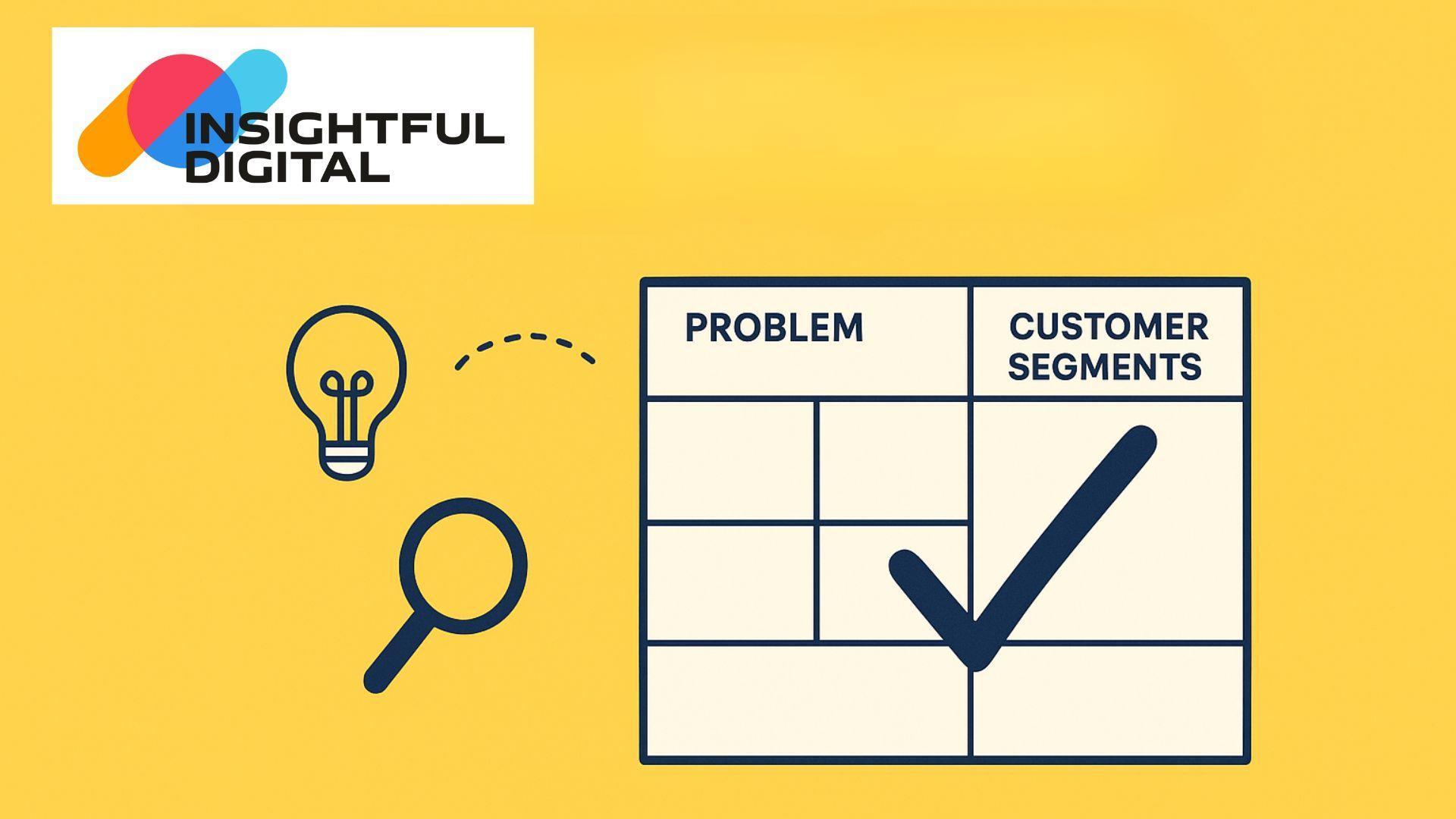
The Lean Canvas takes your messy idea and breaks it down into nine simple blocks:
Problem – What’s the real issue people face?
Customer Segments – Who feels this pain the most?
Unique Value Proposition – Why should they care about your solution?
Solution – What’s your clear answer to the problem?
Channels – How will people even hear about you?
Revenue Streams – Where’s the money coming from?
Cost Structure – What will it take to run this idea?
Key Metrics – How will you know it’s actually working?
Unfair Advantage – What do you have that competitors can’t copy overnight?
Why it matters
Whenever I sit with early founders, they’re often overwhelmed. Pages of financials, marketing plans, and product details. But the Lean Canvas forces you to cut the noise. One page, nine boxes, and suddenly your idea makes sense-not just to you, but to your team and even to potential investors.
Tips that actually help
Don’t chase perfection-just fill it out and refine later.
Start with the problem and customers, then move to the solution.
Review it every few weeks; startups change fast.
Final thought
The Lean Canvas is not about writing the “perfect plan.” It’s about building clarity, testing faster, and moving forward without wasting time. For any startup, that one page can make all the difference.
One-word takeaway: Focus.
MCQs for Readers.
1. Which of the following best describes the Lean Canvas Model?
a) A tool for designing company logos
b) A framework for business model validation
c) A method to write marketing slogans
d) A financial accounting system
Correct Answer: b) A framework for business model validation
2. Who introduced the Lean Canvas Model?
a) Steve Jobs
b) Ash Maurya
c) Elon Musk
d) Philip Kotler
Correct Answer: b) Ash Maurya
3. Which of the following is NOT a component of the Lean Canvas Model?
a) Customer Segments
b) Unique Value Proposition
c) Problem Statement
d) Balance Sheet
Correct Answer: d) Balance Sheet
4. What is the main benefit of using the Lean Canvas Model for startups?
a) It guarantees immediate profits
b) It helps in validating ideas quickly and efficiently
c) It eliminates the need for customer research
d) It replaces all business plans
Correct Answer: b) It helps in validating ideas quickly and efficiently
5. In Lean Canvas, the ‘Unfair Advantage’ section refers to:
a) A company’s financial investments
b) Something competitors cannot easily copy
c) The number of employees in the team
d) The organization’s annual revenue
Correct Answer: b) Something competitors cannot easily copy
Stay tuned for our Next Article Day 14: Difference Between a Startup and a Small Business