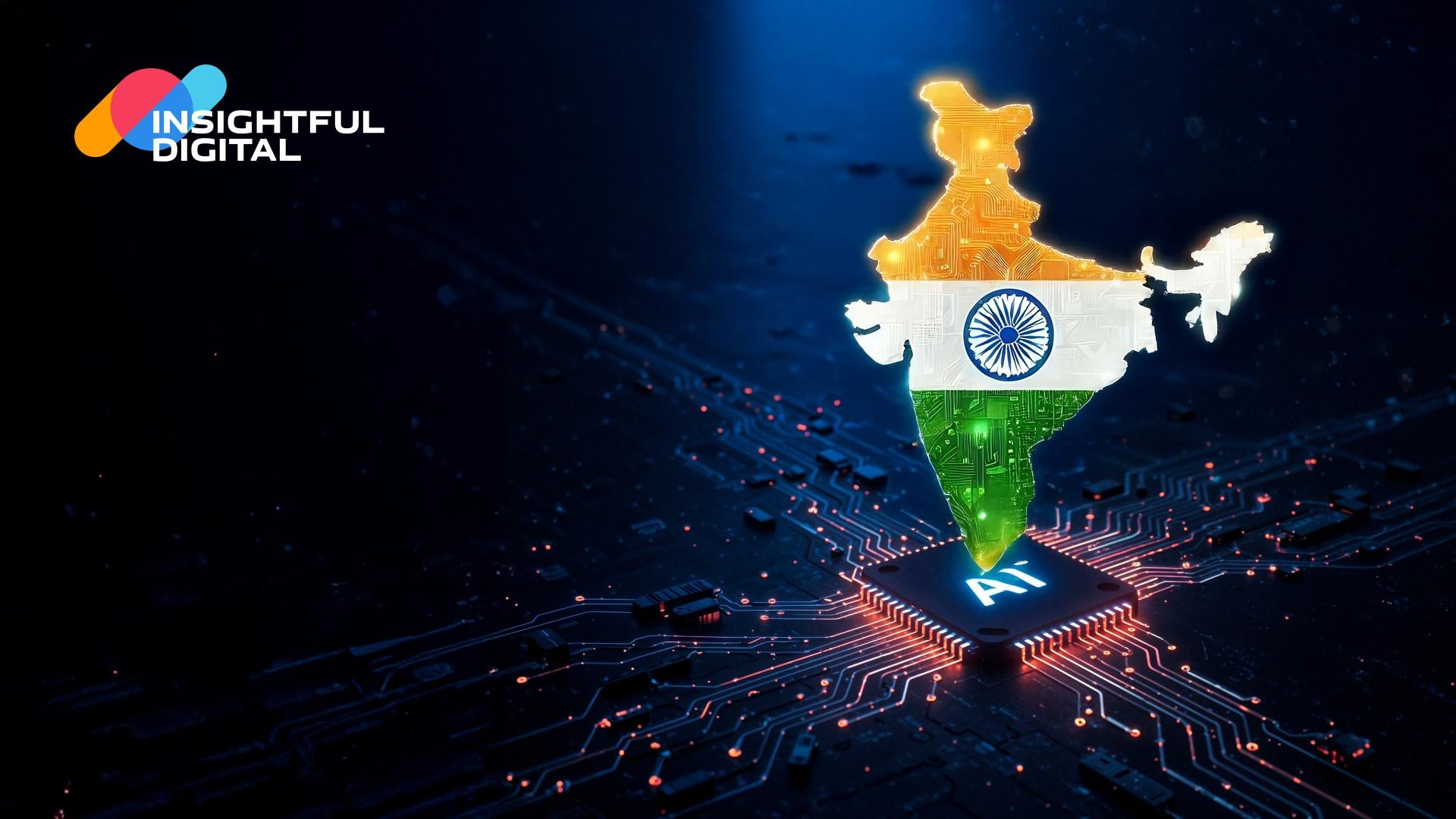
India has rapidly transformed from a mere consumer market into a central arena in the global competition for artificial intelligence supremacy. This strategic shift was underscored recently when OpenAI announced the establishment of an Indian subsidiary and plans to open its first office in New Delhi later this year.
OpenAI's Strategic Commitment
Sam Altman, OpenAI's co-founder and CEO, emphasized India's potential, citing its "amazing tech talent, world-class developer ecosystem, and strong government support through the India AI Mission." The company views its local presence as a crucial step in making advanced AI more accessible and building AI solutions specifically for the Indian market, in collaboration with Indian talent.
India's Significance for OpenAI
This move is far from symbolic. India has become ChatGPT's second-largest global market and one of its fastest-growing. Weekly active users have quadrupled in the past year, with students constituting the largest user segment worldwide. India also ranks among the top five developer markets on OpenAI's platform.
The company has already tailored its offerings for Indian users. The ChatGPT Go subscription, priced at ₹399 per month, features UPI integration aligned with local payment preferences and serves as an affordable entry point to premium AI. This tier offers significantly higher usage limits than the free version and access to the latest GPT-5 model, positioned well below the ChatGPT Plus (₹1,999) and Pro (₹19,900) tiers.
Additional India-specific initiatives include the OpenAI Academy (an AI literacy program partnered with the Ministry of Electronics and IT), expanded Indic language support in GPT-5, and a new "Study Mode" targeting India's vast student population.
The "Jio Moment" for AI
Industry analysts compare OpenAI's strategy to Reliance Jio's disruptive approach to telecommunications. By offering low-cost, localized AI subscriptions, OpenAI aims to capture India's billion-strong internet market. The company's rupee-based pricing, UPI payment integration, and reduced entry barriers position India as both a major consumer market and a testing ground for scaling AI across the Global South.
Competitive Landscape
OpenAI enters an already crowded field. Google's Gemini Premium (₹1,950/month) integrates across its ecosystem (Gmail, Docs, Meet, Android), leveraging its extensive reach. Perplexity AI, founded by an Indian, has partnered with Airtel to offer its Pro plan free to millions of subscribers. Meanwhile, Elon Musk's xAI has launched SuperGrok in India at ₹700 monthly, significantly discounted from its global price.
This competition has triggered a price war, with Grammarly reducing subscriptions to ₹250 monthly and Google offering free Gemini Pro access to college students. As AI analyst Jaspreet Bindra noted, model makers are racing for users and data, making India's 1.4 billion population a prime target.
Impact on Indian Startups
The global AI rush presents both challenges and opportunities for homegrown companies. Unicorns like Krutrim and challengers including Sarvam AI and BharatGPT are developing India-first large language models. Others like Qure.ai, Niramai, Mad Street Den, and Yellow.ai have established niches in healthcare, fashion, and customer support.
However, facing well-funded global giants offering powerful models at competitive prices while attracting top talent, many Indian startups may need to pursue collaboration rather than direct competition. The capital-intensive nature of foundational model development creates significant barriers for firms without substantial scale and resources.
Geopolitical Dimensions
India's emergence as an AI hub carries geopolitical significance. With China implementing stricter AI controls and the US monitoring Beijing's advancements, India represents an open, democratic counterweight. For companies like OpenAI, success in India means not only acquiring millions of users but also influencing the next generation of AI developers and researchers.
Government Support and Vision
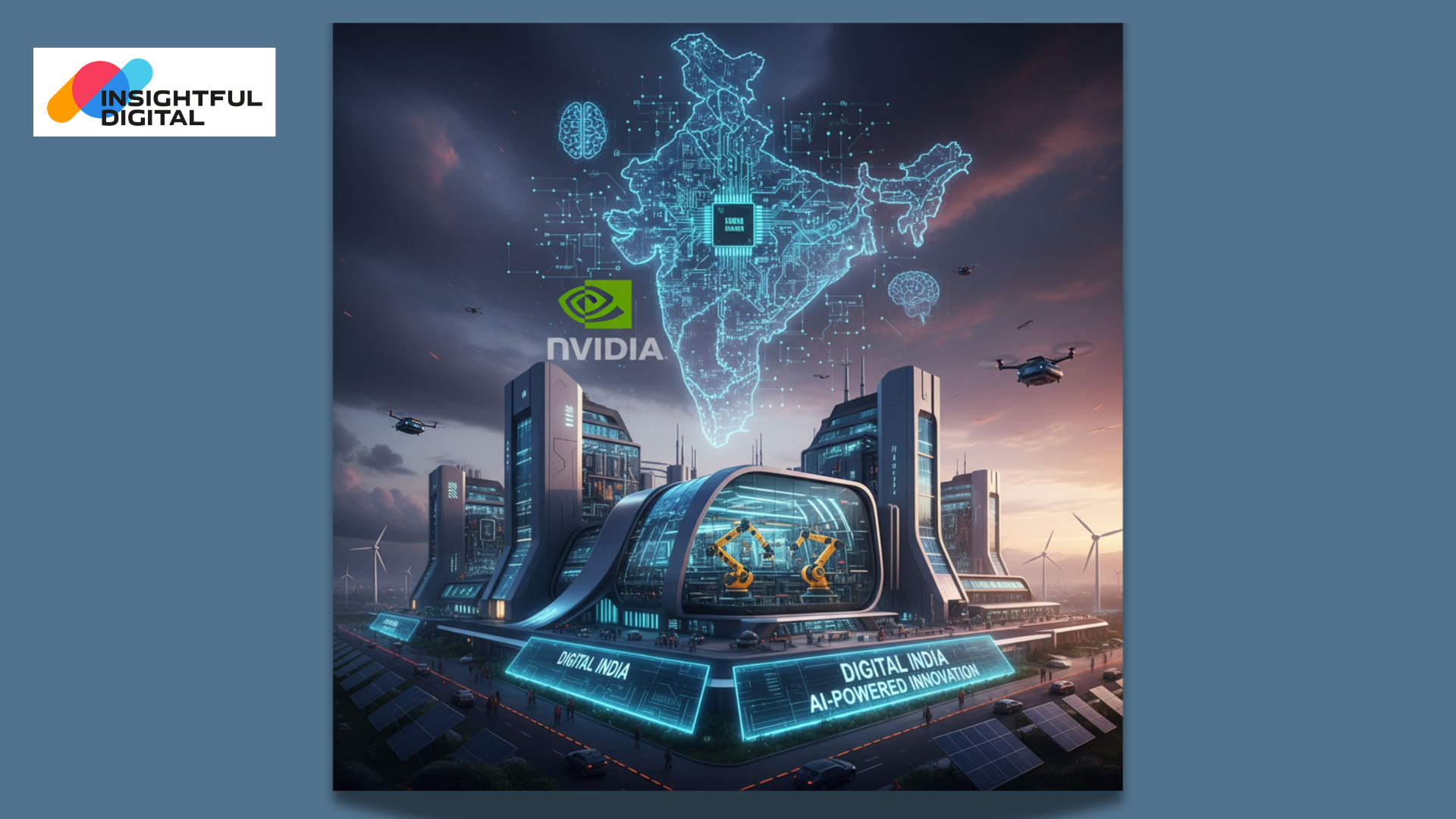
The Indian government has actively embraced this development. President Droupadi Murmu expressed hope that India would become "the global hub for AI by 2047," referencing the IndiaAI Mission which aims to develop models suited to India's needs while ensuring inclusivity.
The government has integrated AI into its broader digital strategy alongside infrastructure projects like highway development, railway modernization, and rural internet expansion, positioning AI as a tool for both governance and economic growth.
Future Outlook
India's AI momentum stems from its unique combination of demographics, infrastructure development, and timing. With the world's largest youth population, a thriving developer community, and a price-sensitive yet digitally adept market, India serves as the proving ground for global generative AI scalability.
For consumers, the competition delivers more choices, lower prices, and faster deployment of advanced models. For corporations, India has transitioned from a peripheral market to a core battleground where the future of AI adoption may be determined—in Bengaluru, Hyderabad, and Delhi as much as in Silicon Valley or Beijing.
Objective Questions for Competitive Exams
Q.1. Which company recently announced establishing its first Indian office in New Delhi?
a) Google AI
b) xAI
c) OpenAI
d) Perplexity AI
Answer: c) OpenAI
Q.2. What is the monthly price of ChatGPT Go subscription tier specifically launched for India?
a) ₹199
b) ₹399
c) ₹699
d) ₹999
Answer: b) ₹399
Q.3. Which Indian minister welcomed OpenAI's decision to establish presence in India?
a) Nirmala Sitharaman
b) Ashwini Vaishnaw
c) Rajeev Chandrasekhar
d) Piyush Goyal
Answer: b) Ashwini Vaishnaw
Q.4. Which company has partnered with Airtel to offer its Pro plan free to telecom subscribers?
a) OpenAI
b) Google Gemini
c) Perplexity AI
d) xAI
Answer: c) Perplexity AI
Q.5. What is the name of India's government initiative to promote AI development?
a) Digital India Mission
b) AI For All
c) IndiaAI Mission
d) Tech India Initiative
Answer: c) IndiaAI Mission
Q.6. Which Indian President expressed hope that India would become the global AI hub by 2047?
a) Ram Nath Kovind
b) Pratibha Patil
c) Droupadi Murmu
d) A.P.J. Abdul Kalam
Answer: c) Droupadi Murmu