
Getting feedback from your First Customers
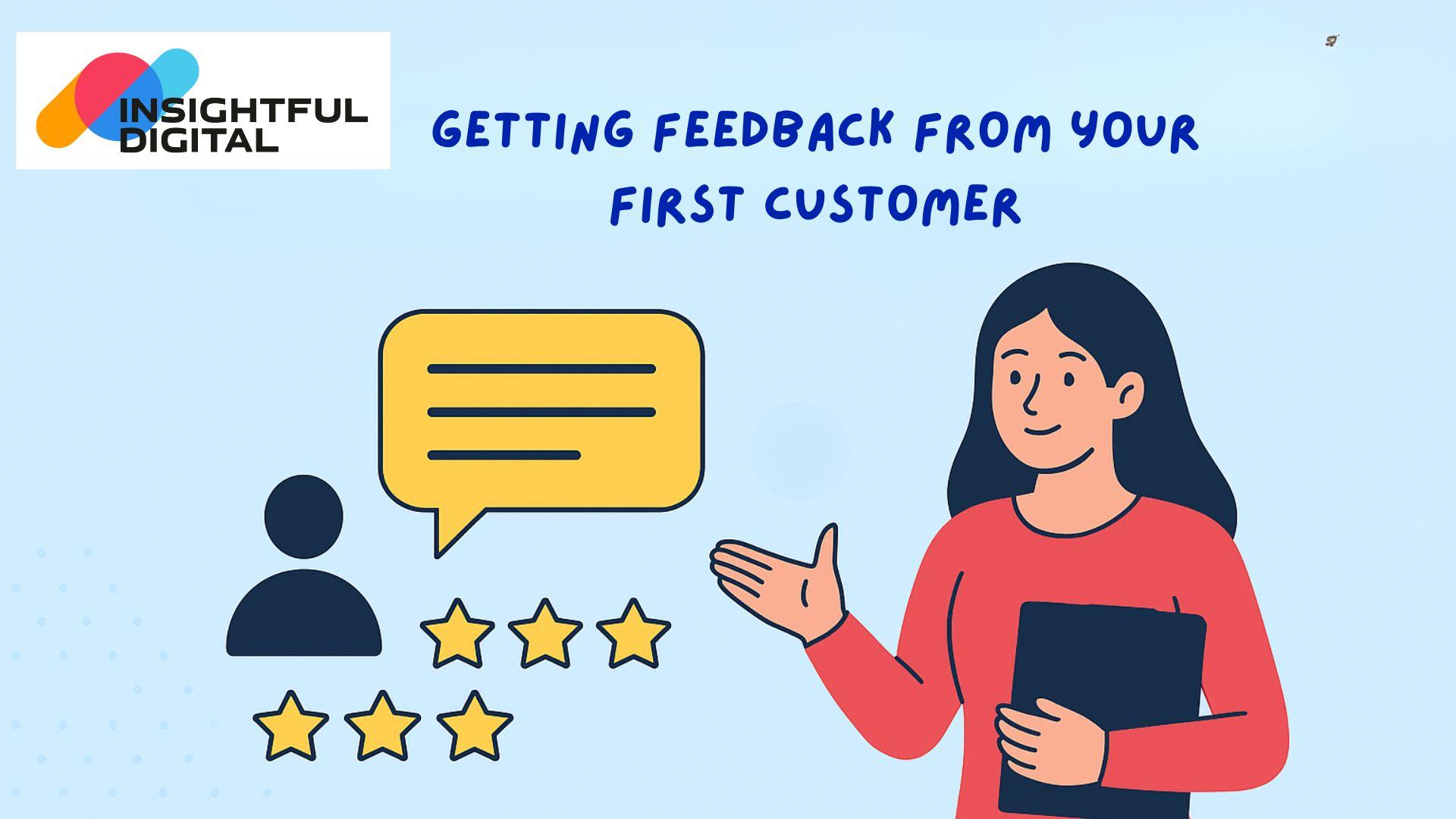
Launching something new always feels exciting. You finally see people trying your product or service. But here’s the truth – your first set of customers are not just buyers; they are your real teachers. Whatever they say (good or bad) is gold, because it tells you what’s working and what’s missing.
Why You Should Listen Early
Most businesses fail not because they don’t work hard, but because they don’t really know what their customers want. If you wait too long to ask, you might end up fixing big problems later. Imagine you built an online course, but your early users tell you the videos are too long. That one simple feedback can save you months of effort if you act quickly.
Keep It Short and Clear
Don’t make feedback complicated. In the early days, forget about long surveys. Just ask simple things like:
“What do you like?”
“What’s confusing?”
“What should I improve first?”
You can ask in a WhatsApp chat, a short call, or even while meeting someone face-to-face. Most people are happy to share if you ask politely.
Watch Their Actions Too
Not all feedback comes in words. Sometimes customers don’t say anything, but their actions tell you a lot. Did they stop using your app after one week? Did they share your product with a friend? Did they complain about speed? These small signals speak louder than a survey form.
Stay Open, Not Defensive
Many founders make this mistake – they ask for feedback but get upset when it’s negative. That kills the process. If someone says, “I didn’t like the design,” don’t argue. Just thank them and write it down. Later, check if more people feel the same. If yes, that’s where you improve.
Show That You Care
When someone gives feedback, let them know you actually used it. For example: “You suggested a one-click checkout. We added it last week – thank you!” This small follow-up builds trust. People feel heard and they stay loyal.
Not Every Idea Is Useful
Of course, you can’t follow every single suggestion. Some feedback might be random or not fit your vision. The key is to look for patterns. If five different users say the same thing, that’s a signal you should act on.
Closing Note
Your first customers are like mirrors – they show you the real picture of your product. Listen carefully, improve what you can, and always stay in touch with them. Early feedback not only improves your product but also helps you build a small but strong community around it.
MCQs for readers
Q1. Why are the first customers important for startups?
a) They provide free marketing
b) They give honest feedback that shapes the product ✅
c) They guarantee long-term sales
d) They invest money immediately
Q2. What is the main purpose of early feedback?
a) To impress investors
b) To test product pricing
c) To understand customer needs and improve the product ✅
d) To reduce marketing costs
Q3. What is the best way to collect feedback in the beginning?
a) Expensive surveys
b) Coffee chats or direct conversations with users ✅
c) Paid advertisements
d) Ignoring negative comments
Q4. Why should startups look for feedback patterns instead of single comments?
a) Because patterns show common issues ✅
b) Because single comments are always wrong
c) Because it saves money
d) Because it looks professional
Q5. What should you do after improving based on customer feedback?
a) Keep it secret
b) Inform the customer who suggested it ✅
c) Delete old feedback
d) Start new pricing plans
Stay tuned for our next article Day 19: Building a Landing Page or Website (No-Code Tools)