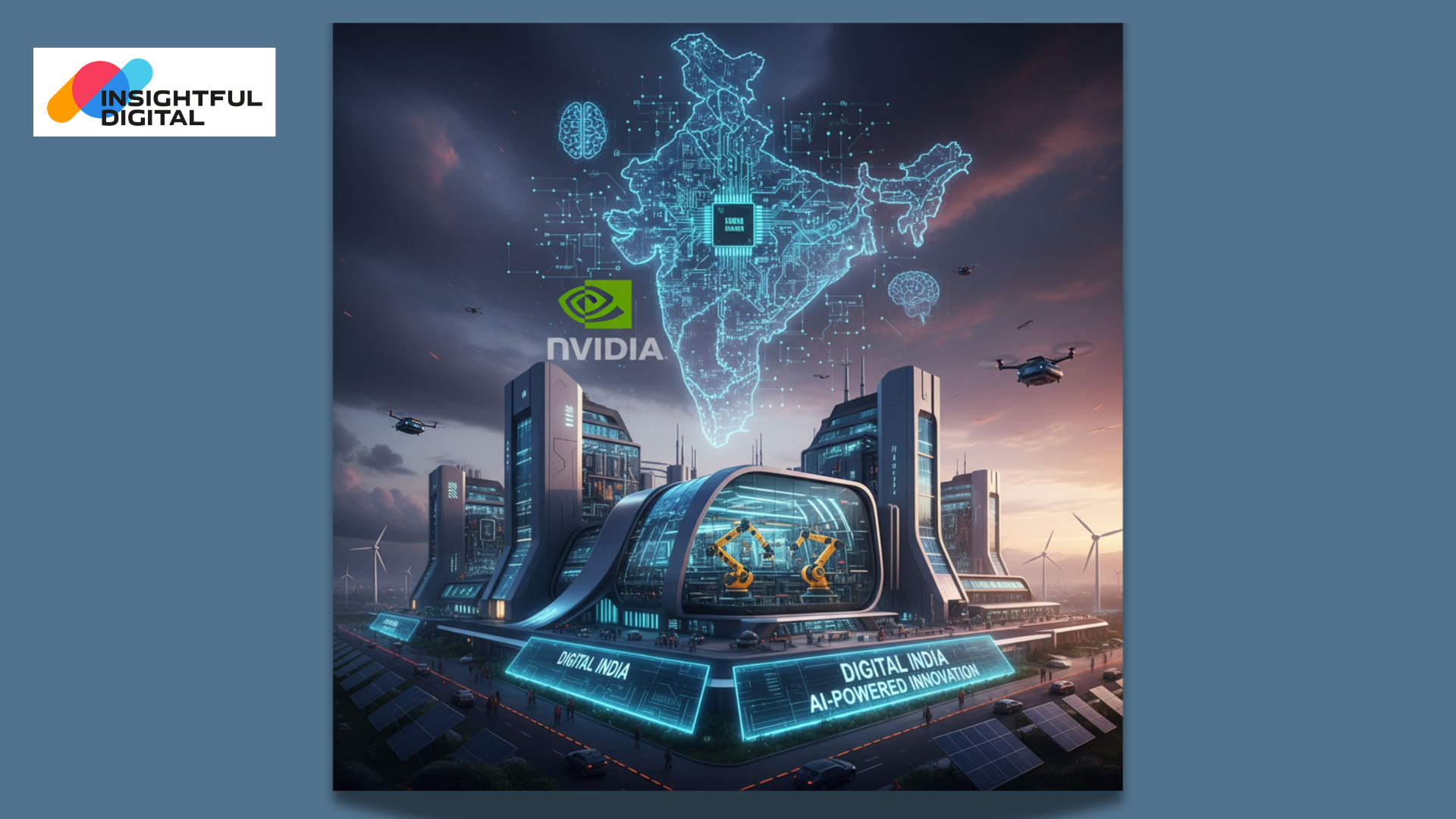

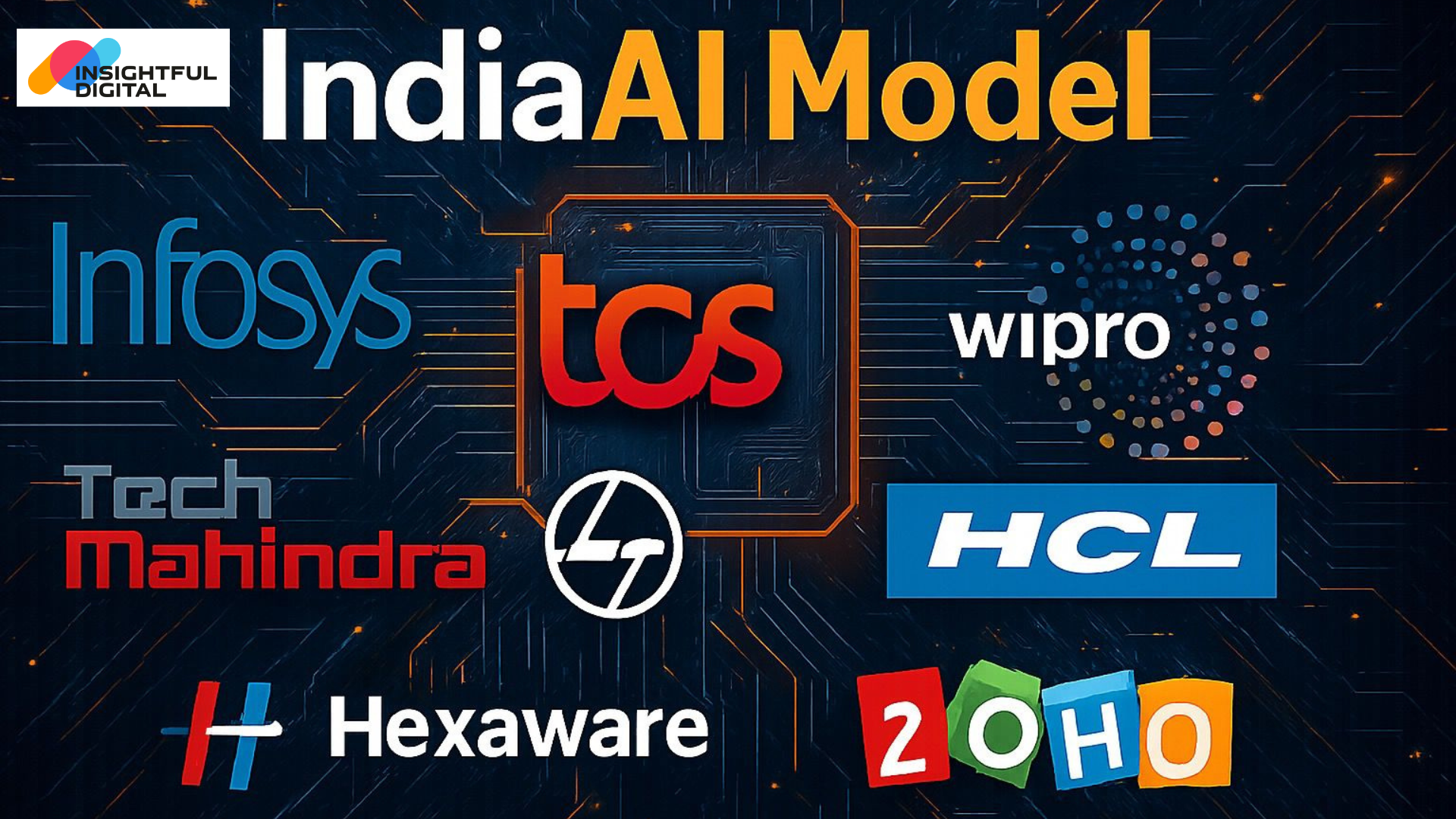
Artificial Intelligence is no longer just a buzzword in India - it’s slowly becoming the backbone of our digital future. Recently, the government under the IndiaAI Mission hinted that about eight local firms could soon receive incentives to build foundational AI models. If this comes through, it could mark a big moment for Indian startups trying to compete in the global AI race.
What’s Going On
Foundational models are like the “base engines” of AI - they can be trained on massive datasets and then fine-tuned for everything from chatbots to medical diagnostics. But here’s the catch: training them needs enormous computing power, especially GPUs. And GPUs don’t come cheap.
That’s why the government’s move to provide subsidized GPU compute feels so important. Imagine a small AI startup in Bengaluru or Pune. They may have brilliant ideas but limited budgets. Getting access to subsidized GPUs can mean the difference between stalling at the idea stage or actually training a model that could be scaled nationwide.
In earlier rounds of this initiative, a handful of Indian startups already got GPU support. Now, with eight more firms likely to join, the circle of innovation is widening.
Why This Matters
This isn’t just about building cool tech. It’s about India finding its own space in the global AI conversation. Supporting homegrown AI models means:
Less dependence on foreign tech - Why should Indian companies always adapt models built overseas when we can create ones suited for our own languages and culture?
Stronger startup ecosystem - Incentives like this tell entrepreneurs: yes, the government has your back.
Global competitiveness - The countries that invest in foundational models today will shape tomorrow’s AI standards. India doesn’t want to be left behind.
Think of it this way: just as India became a software outsourcing powerhouse two decades ago, now it has the chance to be a serious contender in building AI models that the world uses.
The Roadblocks
Of course, nothing comes easy. A few challenges stand out:
GPU crunch: The demand for high-end GPUs is way higher than the actual supply. Even big tech companies globally are struggling here.
High hidden costs: It’s not just about GPUs. You need skilled engineers, reliable power, and robust data infrastructure - all of which cost money.
Data gaps: Training an AI that truly represents India isn’t easy. Our country has 20+ official languages and countless dialects. Getting diverse and clean datasets is tough but crucial.
What Startups Should Keep in Mind
If you’re running a startup in the AI space, here are a few things to think about:
Don’t wait. Keep an eye on upcoming calls for applications. Incentive programs like this won’t last forever.
Balance ambition with efficiency. Building massive models is great, but sometimes smaller, efficient models can have more real-world impact.
Focus on inclusivity. An AI trained only on English data won’t serve India’s real needs. Think multilingual, think regional.
Collaboration is key. Partner with universities, government bodies, or other startups. Shared knowledge often beats going solo.
Final Thought
India’s AI story is just getting started. Incentives for eight firms may not sound huge on paper, but it sends a strong message - the country is serious about shaping its own AI future.
For entrepreneurs, the writing on the wall is clear: this is the moment to build, test, and dream bigger. Who knows - the next global AI breakthrough could come from a small office in Hyderabad or a co-working space in Gurugram.
And if that happens, it won’t just be about technology. It will be about India proving to itself, and the world, that it can lead the AI revolution.
MCQs for Readers:
1. What is the primary aim of India’s incentives for eight firms?
a) To promote gaming apps
b) To support local foundational AI models ✅
c) To improve internet speed
d) To reduce smartphone costs
2. Why are GPUs critical for building AI models?
a) They store large datasets
b) They power intensive AI training ✅
c) They are cheaper than CPUs
d) They reduce electricity bills
3. How many startups may soon receive incentives?
a) Four
b) Six
c) Eight ✅
d) Twelve
4. What is one key benefit of building local AI models?
a) More dependency on global firms
b) Tailored solutions for Indian needs ✅
c) Lower electricity bills
d) Free internet for startups
5. Which of these is a challenge in India’s AI journey?
a) Too many skilled engineers
b) GPU shortage ✅
c) Excess government support
d) No interest in AI globally
6. Foundational AI models are often compared to:
a) Base engines of AI ✅
b) Social media tools
c) Web browsers
d) Cloud storage
7. Why should startups focus on inclusivity in AI models?
a) To cover India’s linguistic and cultural diversity ✅
b) To make models smaller
c) To reduce government oversight
d) To improve export numbers
8. What can smaller, efficient AI models offer startups?
a) Better real-world impact ✅
b) Free GPU access
c) Government contracts
d) Eliminate data needs
9. Which strategy can help startups succeed in AI development?
a) Working in isolation
b) Collaborating with partners ✅
c) Ignoring language diversity
d) Avoiding efficiency
10. What bigger message does this initiative send?
a) India is serious about its AI future ✅
b) Startups should stop innovating
c) Global AI is irrelevant
d) Technology won’t affect the economy