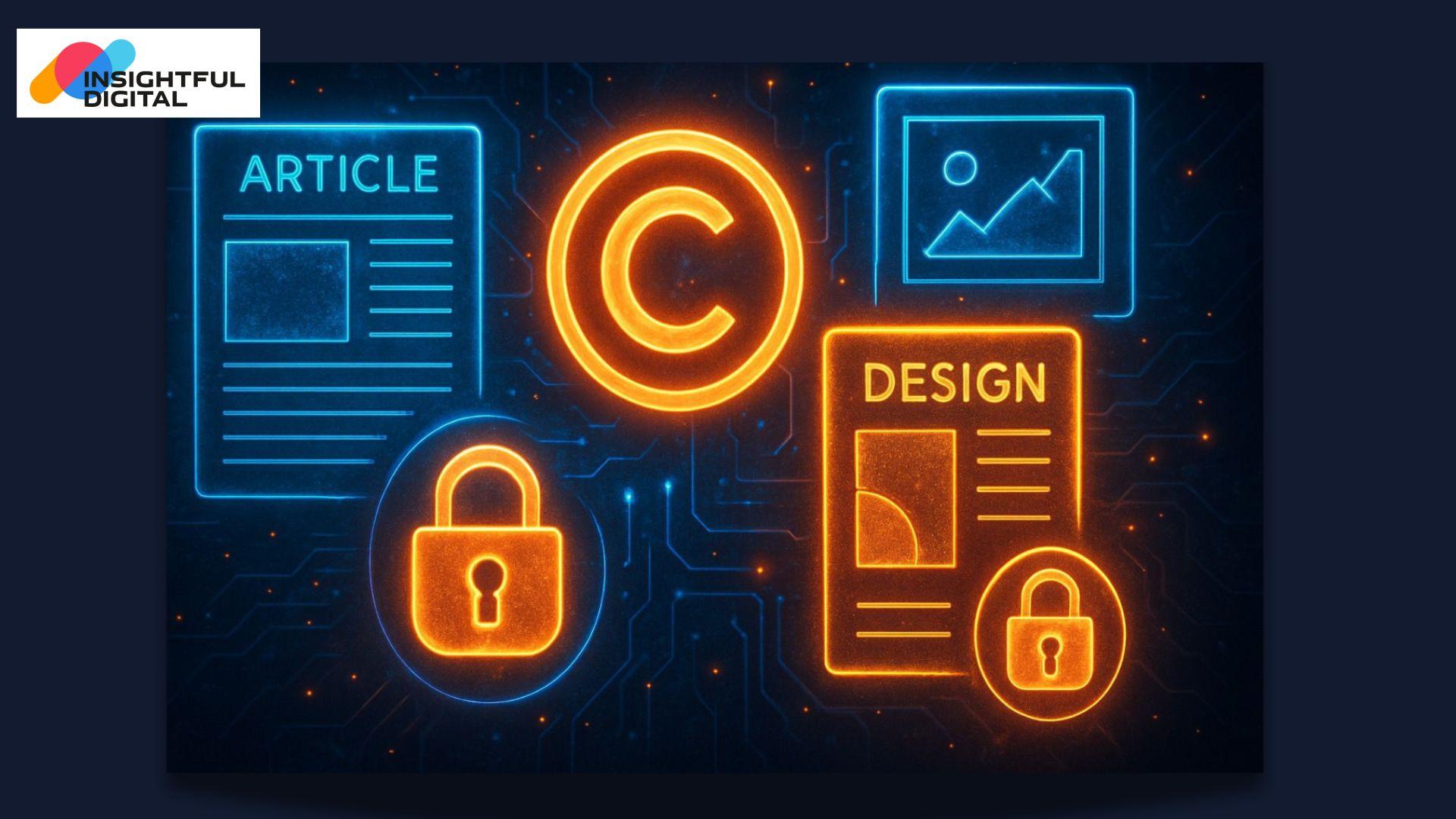
These days, I often hear people say, “I posted my design online and someone copied it within days.” It’s frustrating, but also common. In today’s digital world, our content, ideas, and designs travel faster than we expect - sometimes reaching audiences we never imagined. While that’s exciting, it also comes with a risk: your original work can be misused without credit or payment.
This is exactly why copyright exists. Think of it as your safety net - a legal shield that keeps your creativity truly yours.
What exactly is copyright?
Copyright is basically a creator’s right. The moment you create something original - a blog, a design, a song, or even a piece of software - it automatically falls under copyright protection. You don’t always need a long legal process for the protection to exist.
But here’s the catch: if a dispute ever arises, proving ownership is much easier when you’ve registered your copyright. That certificate acts like solid proof in court.
What can be copyrighted?
Many people think copyright is only for books or music, but it covers much more. For example:
Articles and blogs you write for your website
Logos or artwork you design for clients
Music or podcasts you record
Photographs from your creative shoots
Apps or code you build from scratch
Videos or animations you produce
In short, if it’s original and created with effort, it deserves protection.
Why copyright matters
If you’ve ever had your idea copied, you know the feeling - it’s like someone walking into your home and using your things without asking. Copyright is important because:
It gives you legal security to act when your work is misused.
It opens up monetization opportunities, since only you can license or sell your creation.
It ensures you get recognition for your work.
It discourages casual copying by others.
For startups or agencies, copyright also builds credibility - clients know the work they receive is not only original but also legally protected.
How to register copyright in India
Although protection begins as soon as you create something, registration makes it official. In India, the steps are fairly simple:
Collect details of your work and prepare copies or drafts.
File the application online at the Copyright Office portal.
Pay the required fee (varies by type of work).
Wait for examination to check originality.
Receive your certificate once it’s approved.
Yes, it can take a few months, but in the long run, it’s worth the peace of mind.
Common mistakes creators make
Assuming copyright is only for big companies - even small freelancers need it.
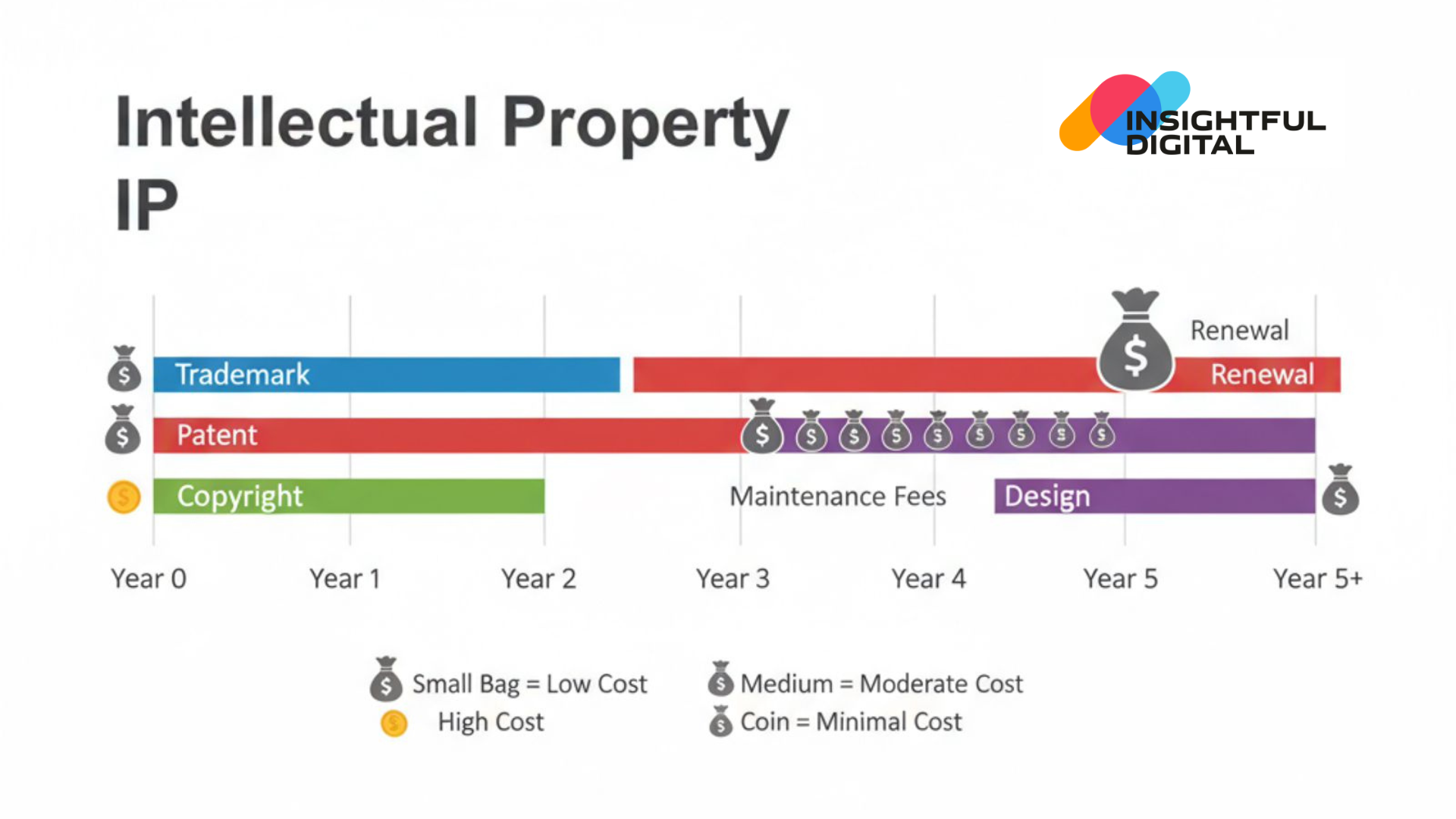
Mixing up copyright with trademark or patent.
Forgetting to keep records like drafts or timestamps.
Believing that everything online is “free to use.”
Best practices to follow
From my own experience and from watching others struggle, here are a few habits that go a long way:
Always put a copyright notice on your work (© Your Name, Year).
Watermark your images or add metadata where possible.
Track your content online - reverse image search helps.
Register your most valuable works.
Make agreements clear when collaborating, so ownership isn’t disputed later.
Final thoughts
The truth is, we live in a time where copying takes seconds. Protecting your work isn’t just smart - it’s necessary. Copyright gives you the authority, the credit, and sometimes even the financial return you deserve.
As creators, we put a piece of ourselves into our work. Whether you’re a designer sketching logos, a blogger sharing insights, or a startup building digital campaigns, copyright ensures that piece of you stays connected to your creation.
At the end of the day, your ideas are your identity. Don’t leave them unguarded.
MCQs for Readers:
Q1. Copyright protects which of the following?
a) Land ownership
b) Original creative works
c) Business name only
d) Government policies
Answer: b) Original creative works
Q2. In India, copyright protection begins from:
a) The date of online publication
b) The date of creation
c) The date of registration
d) The date of copyright notice
Answer: b) The date of creation
Q3. Which of these cannot be copyrighted?
a) Blog articles
b) Software code
c) Logos
d) Ideas or concepts
Answer: d) Ideas or concepts
Q4. What is the main benefit of registering copyright?
a) Free government grants
b) Easier proof of ownership in disputes
c) Faster sales of designs
d) Automatic international recognition
Answer: b) Easier proof of ownership in disputes
Q5. The symbol © is used to indicate:
a) Trademark
b) Patent
c) Copyright
d) Registration under GST
Answer: c) Copyright
Q6. Which of these is a common mistake creators make?
a) Keeping drafts as evidence
b) Assuming copyright is only for big companies
c) Using watermarks on images
d) Adding metadata to files
Answer: b) Assuming copyright is only for big companies
Q7. The Copyright Office in India accepts applications:
a) Only offline
b) Only through banks
c) Online through its official portal
d) Via postal applications only
Answer: c) Online through its official portal
Q8. Why should freelancers care about copyright?
a) It increases their tax benefits
b) It ensures originality and ownership of their work
c) It replaces the need for contracts
d) It provides automatic international protection
Answer: b) It ensures originality and ownership of their work
Q9. Adding a copyright notice on your work helps by:
a) Making it free to use
b) Discouraging casual copying
c) Giving tax benefits
d) Speeding up registration
Answer: b) Discouraging casual copying
Q10. Copyright is often confused with:
a) Trademark and Patent
b) Insurance
c) GST
d) Trade License
Answer: a) Trademark and Patent