Difference Between a Startup and a Small Business
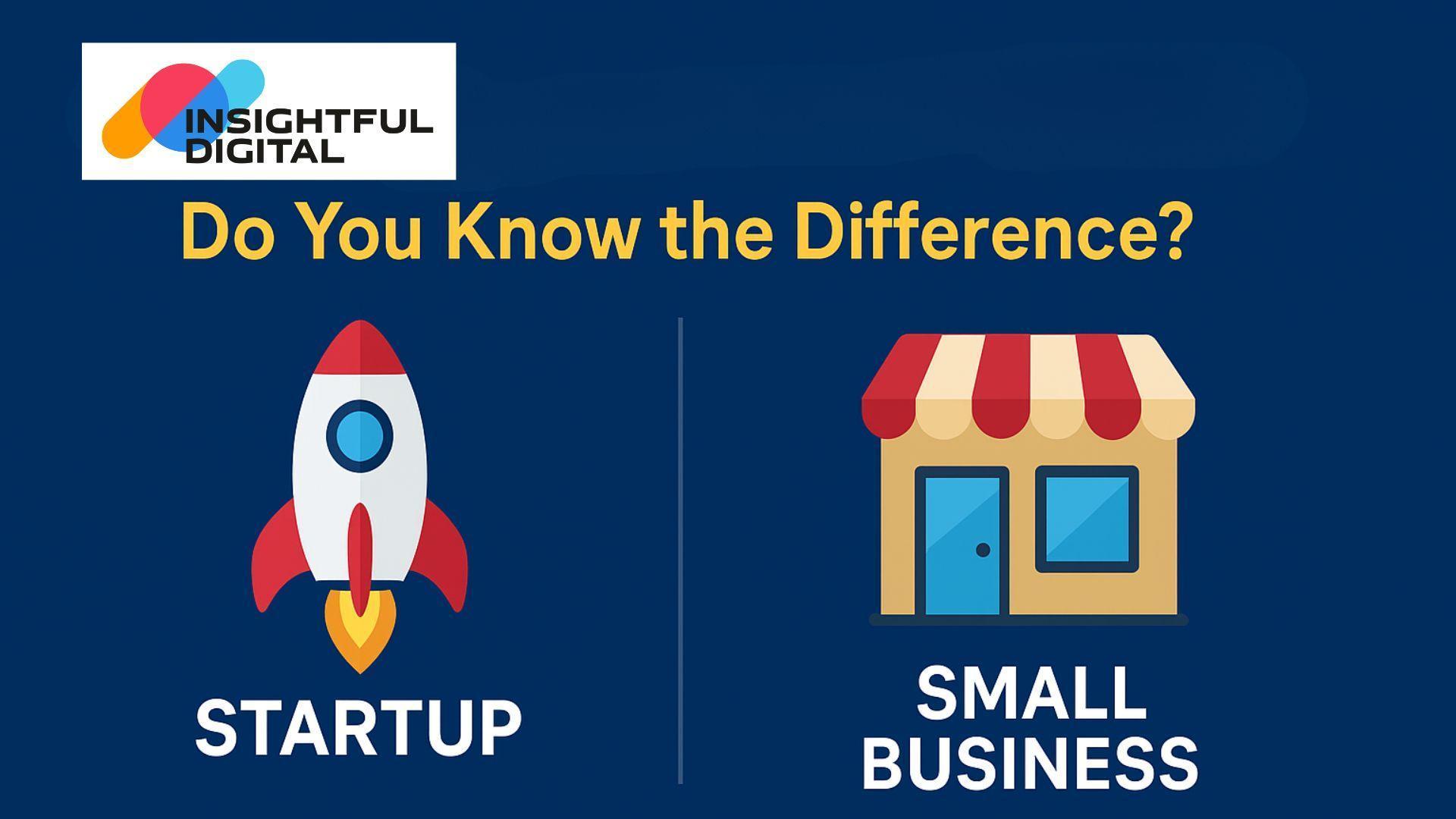
At first glance, a startup and a small business look similar. Both begin small, take courage, and need investment. But if you step closer, the intention behind them is completely different.
Let’s talk about startups
Startups are usually born from an idea that feels exciting or even impossible. The founder wants to test a new way of doing things. Money is important, of course, but the real goal is scaling fast and creating impact. That’s why most startups chase funding, experiment with technology, and take big risks. Think of how Swiggy started-it wasn’t just a restaurant business; it was about changing how people order food everywhere.
And now, small businesses
A small business is more personal. It could be your local café, a clothing boutique, or a service shop. Owners care about steady income and loyal customers. Growth is there, but it’s slower and more controlled. Instead of pitching to investors, they reinvest their profits and keep their roots strong. The dream isn’t to become global overnight-it’s about being reliable in their own community.
Key Differences at a Glance
Startups want speed. Small businesses want stability.
Startups thrive on disruption. Small businesses thrive on consistency.
One is like sprinting, the other is like walking at a steady pace. Both reach a destination, but the paths feel very different.
In short:
Startups = fast growth, new ideas, high risk, global dreams.
Small businesses = stable growth, proven models, lower risk, community focus.
Both play a vital role—startups push innovation, while small businesses keep local economies alive.
At the end of the day, neither is better. It depends on what you want.
Do you dream of building the next unicorn? Or would you rather run something that’s fully yours, steady, and closer to home?
MCQs
Q1. What is the primary goal of a startup?
a) Stability
b) Fast growth and scalability
c) Community service
d) Low risk
Correct Answer: b) Fast growth and scalability
Q2. Which type of business usually reinvests profits instead of seeking investors?
a) Startup
b) small business
c) Both
d) None
Correct Answer: b) Small business
Q3. Startups are often associated with which of the following?
a) High risk, high reward
b) Guaranteed stability
c) Limited growth
d) Family ownership
Correct Answer: a) High risk, high reward
Q4. Small businesses thrive mainly on:
a) Disruption
b) Consistency and loyal customers
c) Venture capital
d) Fast scaling
Correct Answer: b) Consistency and loyal customers
Q5. Which example best represents a startup approach?
a) A local café serving daily customers
b) A boutique shop reinvesting profits
c) An app aiming to change food delivery nationwide
d) A small tailoring business
Correct Answer: c) An app aiming to change food delivery nationwide
Stay tuned for our Next Article Day 15: Naming Your Business – Tips, Tools, and Legal Aspects