
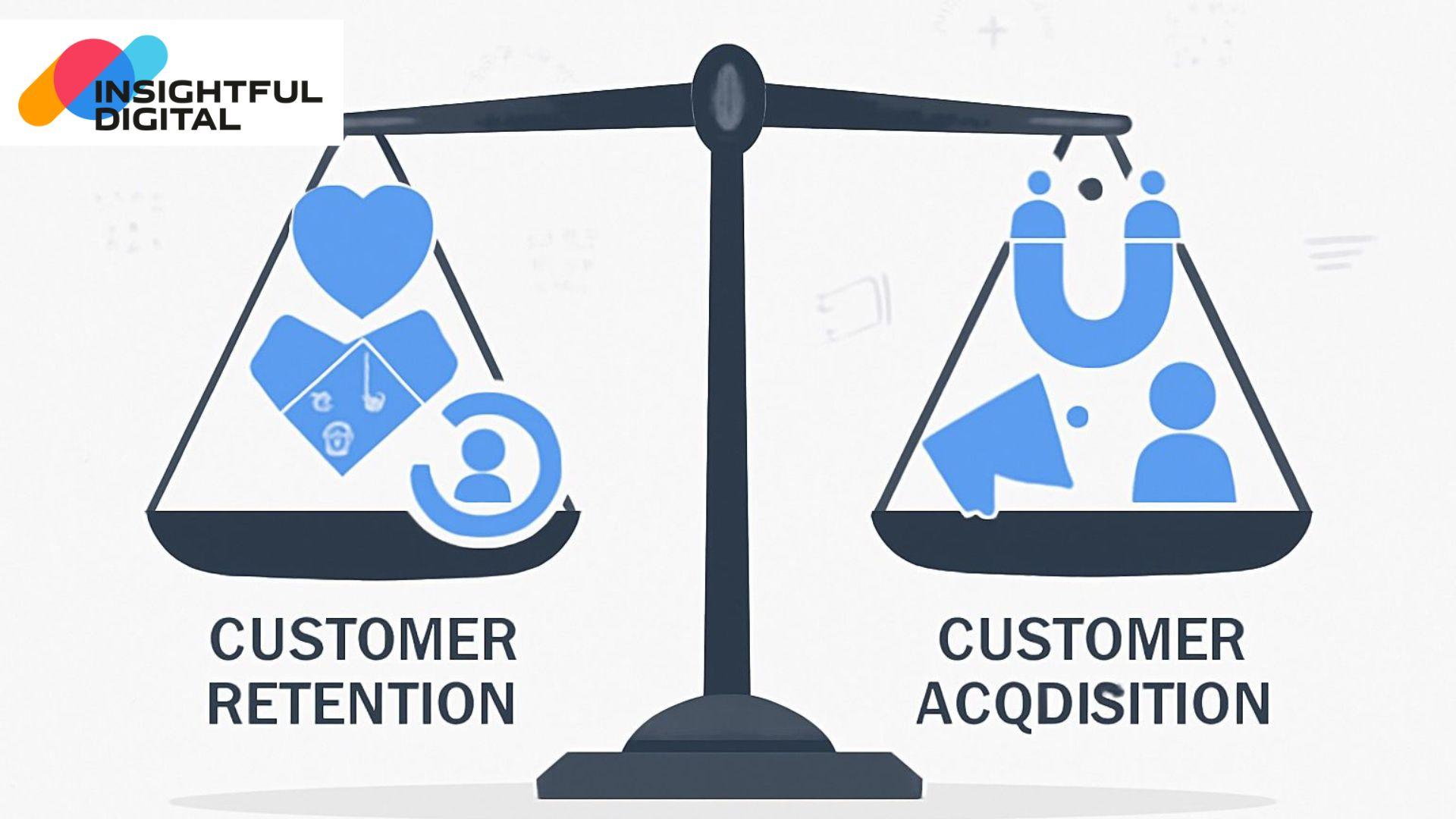
When it comes to building a successful business, one common debate keeps coming back – should you focus more on getting new customers or keeping the existing ones happy? Many founders, especially in their early days, chase new leads and expansion opportunities. But as I’ve seen while working with startups and small businesses, the real strength of growth often lies in balancing both – retention and acquisition.
Understanding Customer Acquisition
Customer acquisition simply means bringing new customers on board. It’s the process of creating awareness, building trust, and convincing people to try your product or service.
For startups and growing brands, acquisition is exciting. New customers mean new revenue, wider reach, and validation that your business is working. Every marketing campaign, social media ad, or cold email is usually designed with this goal in mind.
But here’s the challenge – acquiring customers is expensive. You need ad spend, marketing efforts, and sales resources, which might not guarantee loyalty. A report by Harvard Business Review mentions that it can cost 5 to 7 times more to acquire a new customer than to retain an existing one. That’s a number of founders cannot ignore.
Understanding Customer Retention
Retention, on the other hand, is about keeping your current customers engaged and satisfied so they continue to buy from you. Think of it as nurturing the bond you’ve already created.
Personally, I’ve noticed that businesses who take retention seriously end up building long-term stability. For example, one local café in my city doesn’t just rely on fancy ads to get new people. Instead, they focus on remembering customer preferences, offering loyalty discounts, and creating a friendly environment. The result? Even without aggressive marketing, their regulars bring in consistent sales and referrals.
Retention is about trust. If a customer feels valued, they not only return but also recommend your brand to others. In fact, research shows that loyal customers are likely to spend 60–70% more over time compared to first-time buyers.
The Real Difference Between Acquisition and Retention
- Cost factor: Acquisition is costly; retention is cost-effective.
- Growth cycle: Acquisition drives expansion; retention ensures sustainability.
- Focus area: Acquisition depends heavily on marketing; retention depends on customer experience.
- Time frame: Acquisition shows quick wins; retention builds long-term results.
A practical example I’ve seen – a digital subscription platform I once collaborated with invested heavily in ads to bring new users. They had a spike in sign-ups, but within two months, most users dropped off because there wasn’t enough value delivered after onboarding. The campaign looked successful at first but lacked retention strategy. Later, when they shifted focus to customer support, engagement emails, and exclusive member benefits, not only did their churn reduce but referrals started flowing in naturally.
Which Should Businesses Prioritize?
The truth is, you cannot choose one over the other completely. Both are essential, but the priority shifts with the stage of your business:
- For new businesses/startups: Acquisition is crucial. You need visibility and customers to test your product.
- For growing or established businesses: Retention becomes the game-changer. It’s what helps you reduce costs, improve margins, and scale steadily.
A balanced strategy means:
- Invest in acquisition to keep expanding your customer base.
- Build retention mechanisms – loyalty programs, feedback systems, excellent support, and community building.
Final Thoughts
As a marketer, I’ve often found myself excited about new campaigns and customer wins. But experience has taught me that without a solid retention plan, acquisition efforts fade quickly. The real growth engine of any business lies in how well you serve the customers you already have while welcoming new ones.
If you’re a founder or marketer reading this, here’s something to remember – acquisition brings customers in, but retention makes them stay and multiply your impact. Both matters, but retention often decides whether your business thrives in the long run.
MCQs for Readers:
1. Which of the following is generally more cost-effective for a business?
a) Customer acquisition
b) Customer retention
c) Both are equally costly
d) Neither
👉 Answer: b) Customer retention
2. On average, acquiring a new customer can cost how many times more than retaining an existing one?
a) 2x
b) 5x
c) 7x
d) 10x
👉 Answer: b) 5x
3. Which metric best measures customer retention?
a) CTR (Click-through rate)
b) CAC (Customer acquisition cost)
c) Churn rate
d) Bounce rate
👉 Answer: c) Churn rate
4. What is the primary goal of customer acquisition?
a) Strengthening loyalty
b) Bringing in new customers
c) Reducing churn
d) Increasing referrals
👉 Answer: b) Bringing in new customers
5. Loyalty programs mainly support which strategy?
a) Acquisition
b) Retention
c) Branding
d) Paid ads
👉 Answer: b) Retention
6. Which of the following is an example of a customer acquisition channel?
a) Email marketing
b) Referral programs
c) Paid ads and SEO
d) Loyalty discounts
👉 Answer: c) Paid ads and SEO
7. Which strategy helps increase Customer Lifetime Value (CLV)?
a) Acquisition
b) Retention
c) Only promotions
d) None
👉 Answer: b) Retention
8. A balanced marketing strategy should ideally:
a) Focus only on acquisition
b) Focus only on retention
c) Combine both retention and acquisition
d) Avoid both
👉 Answer: c) Combine both retention and acquisition
9. What is CAC in marketing?
a) Customer Activation Cycle
b) Customer Acquisition Cost
c) Client Advertising Campaign
d) Customer Awareness Channel
👉 Answer: b) Customer Acquisition Cost
10. Retained customers are more likely to:
a) Switch brands frequently
b) Purchase less over time
c) Recommend the brand to others
d) Ignore marketing campaigns
👉 Answer: c) Recommend the brand to others
11. A startup with limited budget should prioritize:
a) Customer acquisition only
b) Customer retention only
c) Retention first, then balanced approach
d) Neither
👉 Answer: c) Retention first, then balanced approach
12. Which statement is true?
a) Acquisition is always cheaper than retention
b) Retention builds loyalty and recurring revenue
c) Acquisition guarantees long-term customers
d) Retention is irrelevant in e-commerce
👉 Answer: b) Retention builds loyalty and recurring revenue
Stay tuned for our Next Article - Day 29: Measuring Success – What Metrics Really Matter