

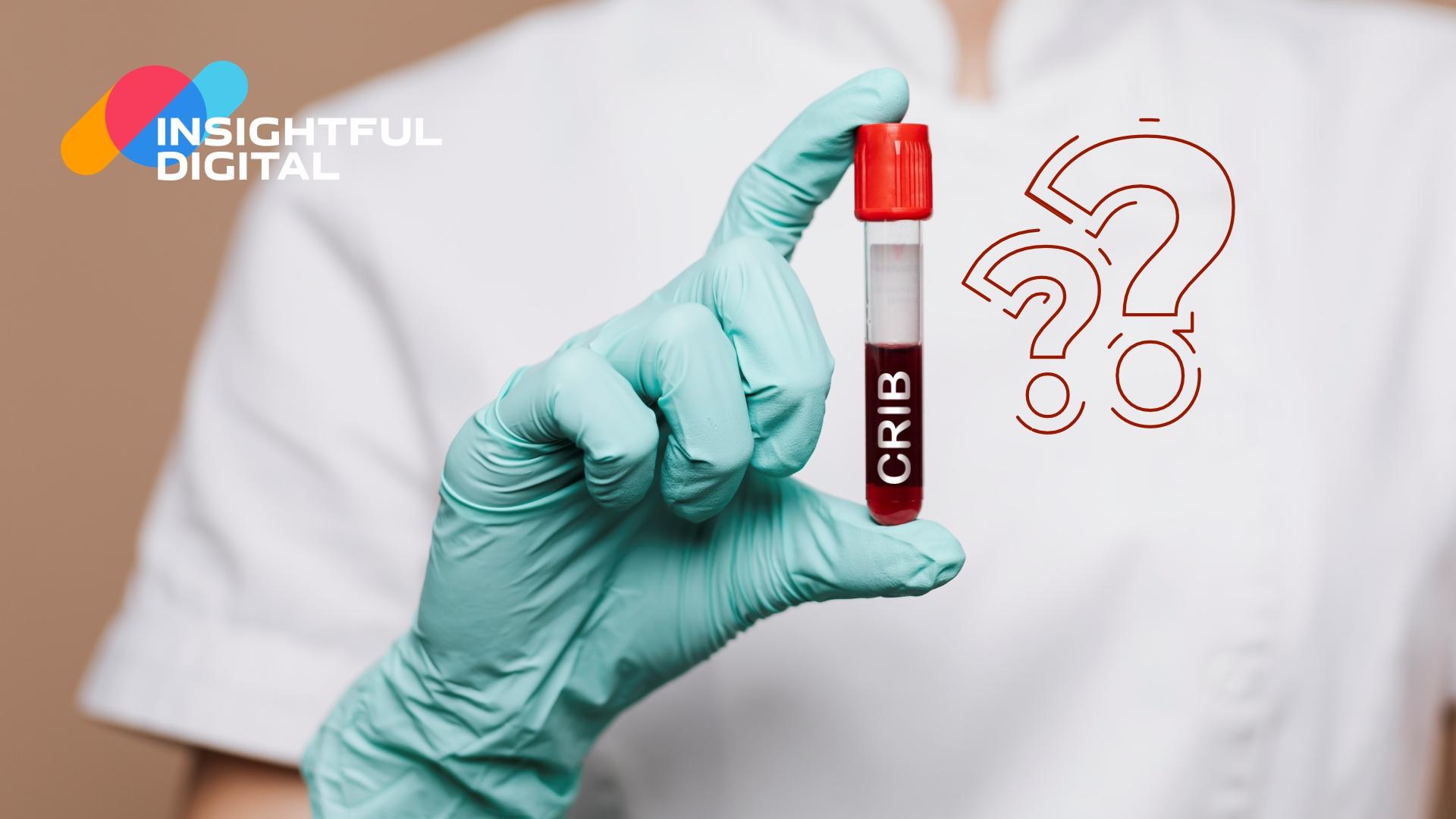
In a remarkable medical breakthrough, a 38-year-old woman from Karnataka’s Kolar district has been identified with a previously unknown blood group antigen-now officially named CRIB. This rare discovery has drawn international attention, reshaping the landscape of transfusion medicine and rare blood research.
The Case That Unfolded in Bengaluru
The discovery was made when the woman was admitted to a Bengaluru hospital for heart surgery. Initial testing showed her blood type as O Rh-positive-one of the most common. However, when doctors attempted to match donor blood for transfusion, none of the O-positive units were compatible.
This rare incompatibility raised red flags and prompted referral to the Rotary Bangalore TTK Blood Centre, where advanced tests revealed her blood showed panreactivity-an unusual reaction against all standard testing panels.
Family Members Couldn't Help
In search of a match, doctors collected blood samples from 20 family members. Surprisingly, none matched. With no compatible donor, the surgical team decided to proceed with the operation without transfusion, using advanced surgical techniques to minimize blood loss.
International Confirmation: The CRIB Antigen is Born
Blood samples were sent to the International Blood Group Reference Laboratory (IBGRL) in Bristol, UK. After 10 months of thorough genetic and serological testing, experts confirmed a brand-new antigen in the Cromer (CR) blood group system.
The new antigen was officially named CRIB: “CR” for Cromer, and “IB” for India, Bangalore. The finding was announced during the 35th Regional Congress of the International Society of Blood Transfusion (ISBT) in Milan, June 2025.
Why is CRIB So Unique?
Most people are familiar with the ABO and Rh blood systems, but there are over 30 others, including Kell, Duffy, and Cromer. The CRIB antigen is a new variant within the Cromer system, known for its complex glycoproteins.
Her red blood cells did not respond to any known antibodies, proving an entirely new antigenic profile that had never been documented.
Parallel Discovery: Gwada Negative Blood Type
The CRIB case is similar to another rare blood group discovery: Gwada Negative, found in a woman from Guadeloupe, France. Her blood lacked the EMM antigen, which is found in almost all humans. Advanced sequencing later revealed both parents carried a rare mutation.
Impact on Medicine and Blood Research
Discoveries like CRIB highlight the vast complexity of human blood types and emphasize the need for:
- International cooperation in rare blood group identification
- Advanced genetic screening for undetected antigens
- Expanding rare blood donor registries globally
Conclusion: A Step Forward in Medical Science
The discovery of the CRIB blood group is a landmark in transfusion medicine. It not only reveals the limitations of current blood group classifications but also paves the way for safer and more personalized treatment for individuals with rare blood profiles.
As of now, the woman from Kolar remains the only person known to carry the CRIB antigen—a symbol of how much remains to be explored in human biology.
Objective Questions for Competitive Exams
Q.1. Which Indian city was the CRIB blood group discovery made in?
a) Chennai
b) Mumbai
c) Bengaluru
Answer: c) Bengaluru
Q.2. The CRIB antigen belongs to which blood group system?
a) ABO
b) Cromer
c) Rh
Answer: b) Cromer
Q.3. What does "IB" stand for in the CRIB blood group?
a) International Blood
b) India, Bangalore
c) Immuno Biogenetics
Answer: b) India, Bangalore
Q.4. Which rare blood antigen was missing in the Gwada Negative case?
a) EMM
b) CRIB
c) Kell
Answer: a) EMM
Q.5. When was the CRIB blood group discovery announced?
a) June 2023
b) June 2024
c) June 2025
Answer: c) June 2025
Q.6. What strategy did doctors use during the woman’s heart surgery due to lack of matched blood?
a) Used artificial blood
b) Surgery without transfusion
c) Plasma substitution therapy
Answer: b) Surgery without transfusion