


In today’s fast-paced academic environment, leveraging AI tools can make a significant difference in how students manage their tasks, improve learning outcomes, and streamline their studies. Whether it's organizing assignments, enhancing productivity, or even helping with research, AI tools are becoming indispensable in the education sector. Here’s a detailed look at the top 11 AI tools that every student should consider using.
1. Grammarly
About:
Founded in: 2009
Founded by: Alex Shevchenko, Max Lytvyn, and Dmytro Lider
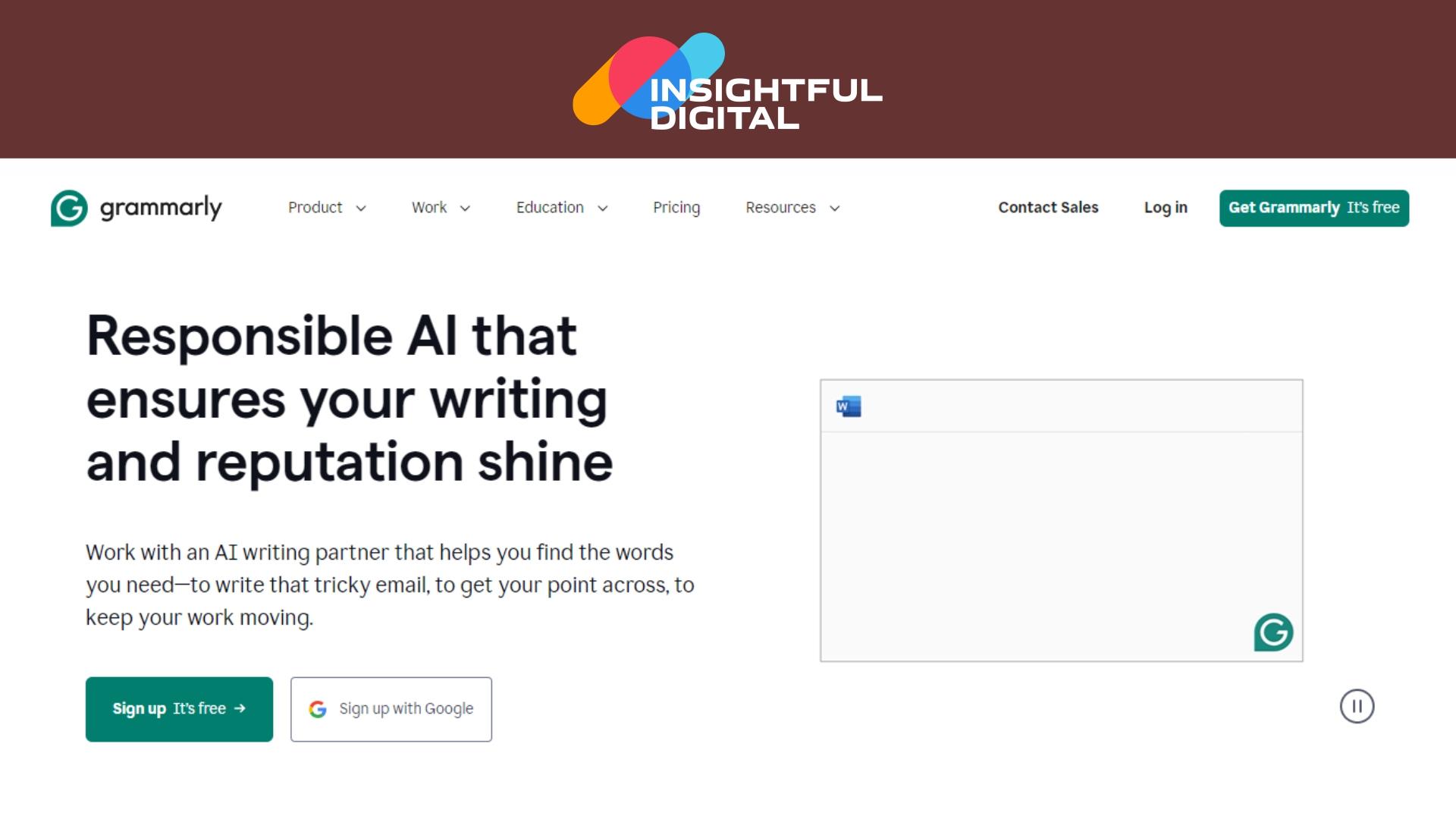
Grammarly is an AI-powered writing assistant that helps students with grammar, punctuation, and style corrections, making their writing clearer and more professional.
Advantages:
Real-time grammar and spelling corrections.
Suggestions for improving clarity and tone.
Plagiarism detection to ensure original content.
Limitations:
Some advanced features are available only in the premium version.
It may not always understand context perfectly, leading to incorrect suggestions.
Pricing:
Free Plan: Basic writing suggestions.
Premium: $12/month.
Business: $12.50/user/month.
2. Wolfram Alpha
About:
Founded in: 2009
Founded by: Stephen Wolfram
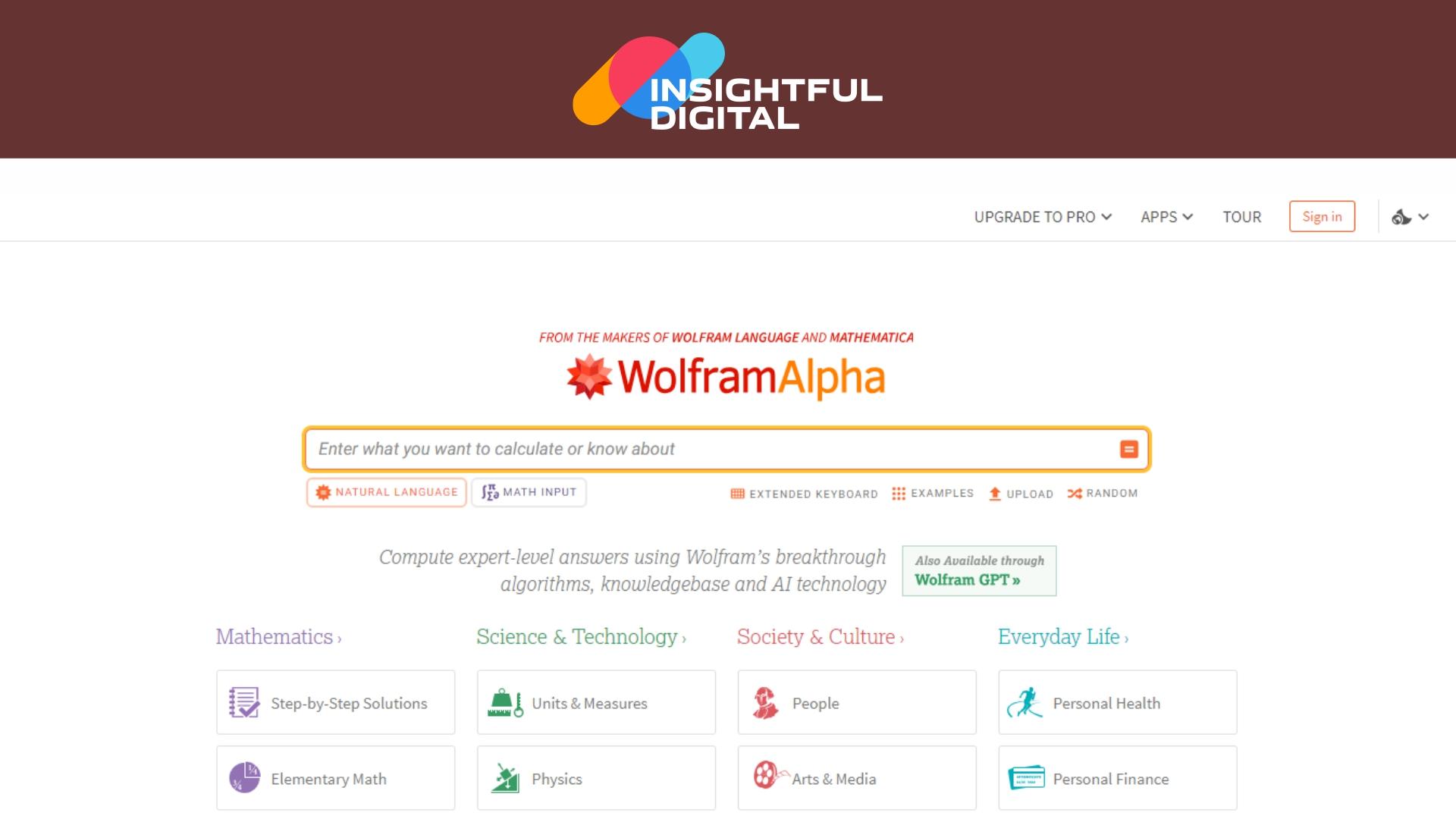
Wolfram Alpha is a computational knowledge engine that helps students solve complex mathematical problems, perform data analysis, and explore various scientific concepts.
Advantages:
Provides step-by-step solutions for mathematical problems.
Vast database for scientific and technical information.
Useful for students in STEM fields.
Limitations:
Advanced features are locked behind a subscription.
May be challenging to use for beginners.
Pricing:
Free Plan: Basic search and computational tools.
Pro: $5.49/month for step-by-step solutions and advanced tools.
Pro Premium: $9.99/month for additional features like file upload and custom data analysis.
3. ClickUp
About:
Founded in: 2017
Founded by: Zeb Evans and Alex Yurkowski
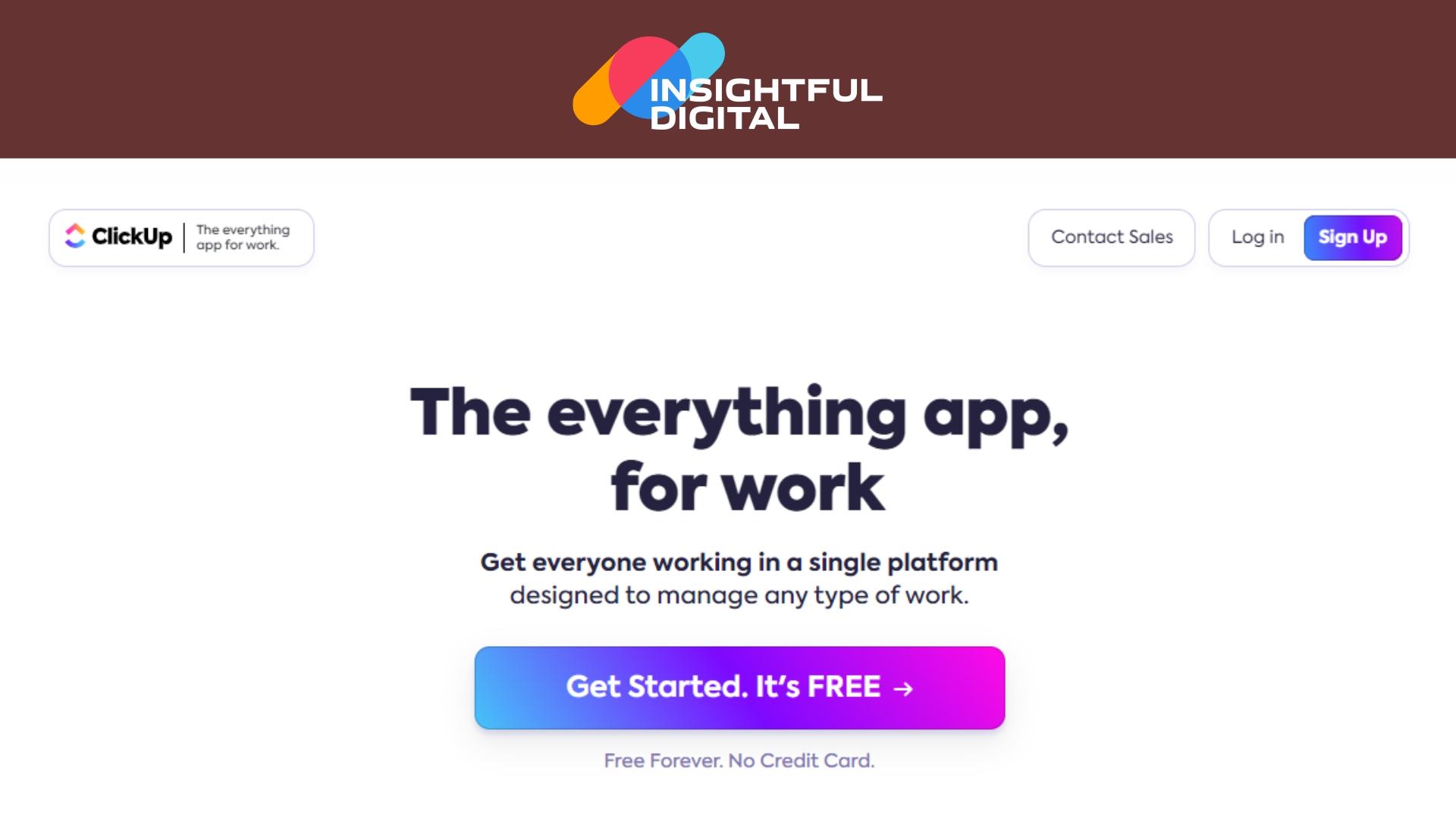
ClickUp is a project management tool that helps students manage their assignments by breaking them down into smaller, manageable tasks and prioritizing them effectively.
Advantages:
Intuitive user interface with visually appealing graphics.
Allows task delegation and collaboration with team members.
Customizable workspace to fit various project needs.
Limitations:
Some users report occasional performance issues.
The Gmail extension has been noted to have some bugs.
Pricing:
Free Forever: $0
Unlimited: $7/user/month for small teams.
Business: $12/user/month for mid-sized teams.
Enterprise: Contact ClickUp for pricing.
4. Gradescope
About:
Founded in: 2014
Founded by: Pieter Abbeel, Arjun Singh, Sergey Karayev, and Ian Stoica
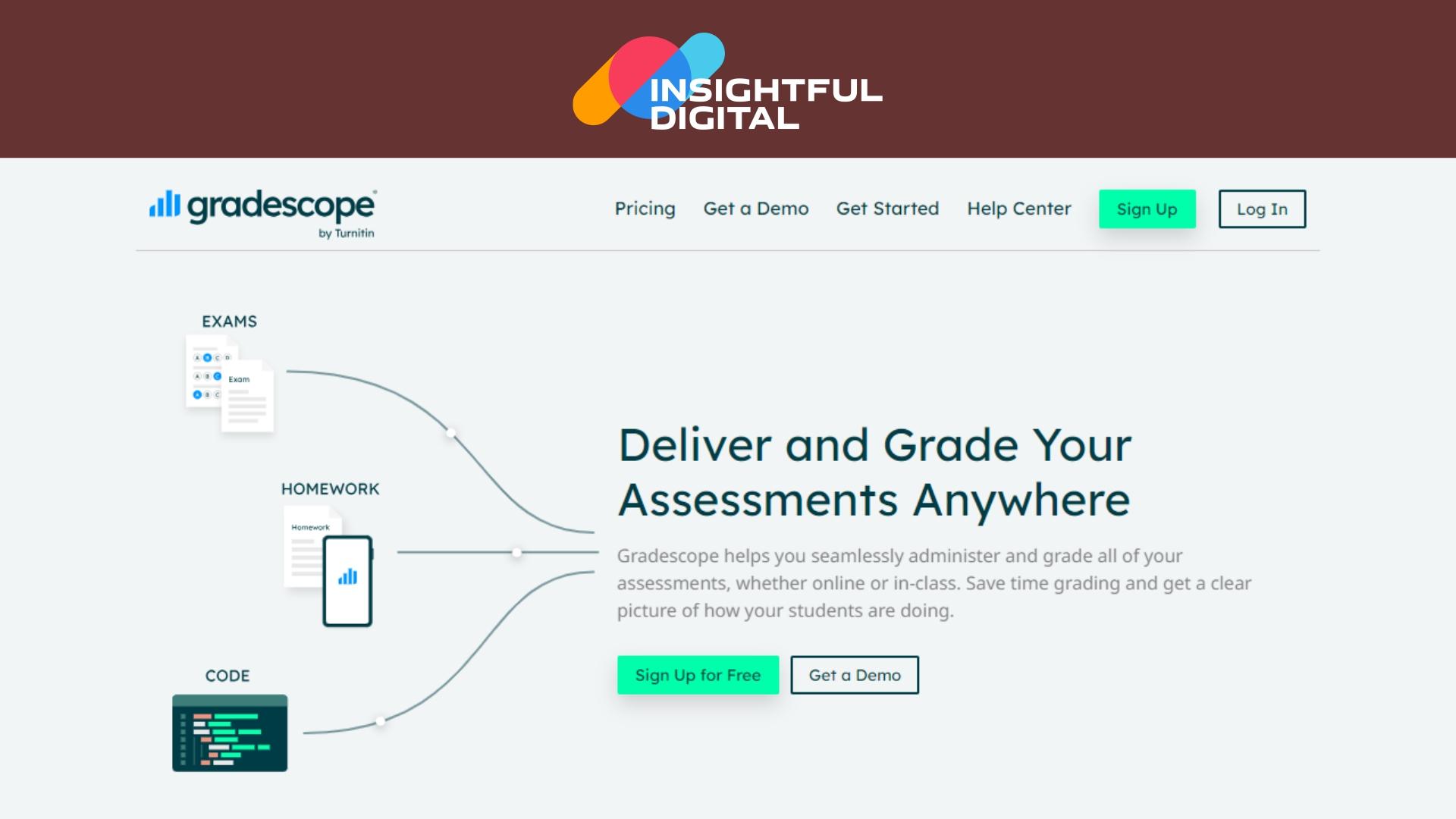
Gradescope is an AI-based grading tool that helps educators and students by automating and streamlining the grading process.
Advantages:
Speeds up the grading process, saving time for educators.
Provides detailed feedback to students for their work.
Supports various types of assignments, including handwritten and multiple-choice.
Limitations:
The initial setup can be time-consuming for new users.
Some features may require manual intervention to work correctly.
Pricing:
Free Trial: Available
Contact Gradescope for detailed pricing plans.
5. Quizlet
About:
Founded in: 2005
Founded by: Andrew Sutherland
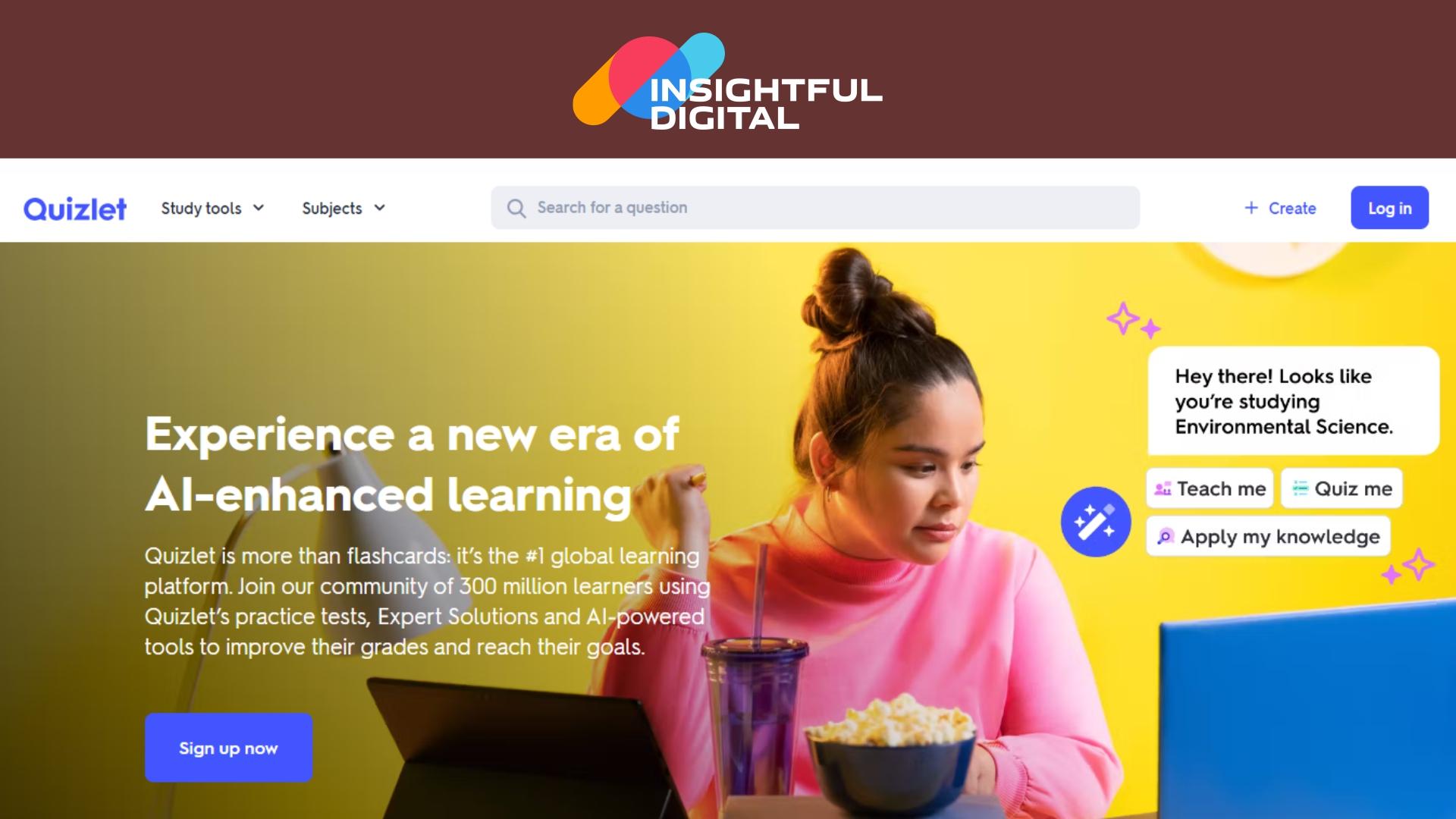
Quizlet is an AI-powered study tool that offers flashcards, quizzes, and games to help students learn and retain information more effectively.
Advantages:
Offers a wide range of study modes, including flashcards and practice tests.
User-generated content allows access to a vast database of study materials.
Mobile app for studying on-the-go.
Limitations:
The free version contains ads, which can be distracting.
Some advanced features are only available in the paid version.
Pricing:
Free Plan: Basic study tools with ads.
Quizlet Plus: $3.99/month or $35.99/year.
Quizlet Plus for Teachers: $5.99/month or $47.88/year.
6. Evernote
About:
Founded in: 2004
Founded by: Stepan Pachikov
Evernote is an AI-powered note-taking app that helps students organize their notes, tasks, and to-do lists across multiple devices.
Advantages:
Seamless synchronization across all devices.
Ability to attach images, audio, and documents to notes.
Powerful search functionality to find information quickly.
Limitations:
Free version has limited storage and features.
Some users report occasional synchronization issues.
Pricing:
Free Plan: Basic note-taking and syncing across two devices.
Personal: $7.99/month with more features and devices.
Professional: $9.99/month with advanced features and more storage.
7. Mendeley
About:
Founded in: 2008
Founded by: Paul Foeckler, Jan Reichelt, and Victor Henning
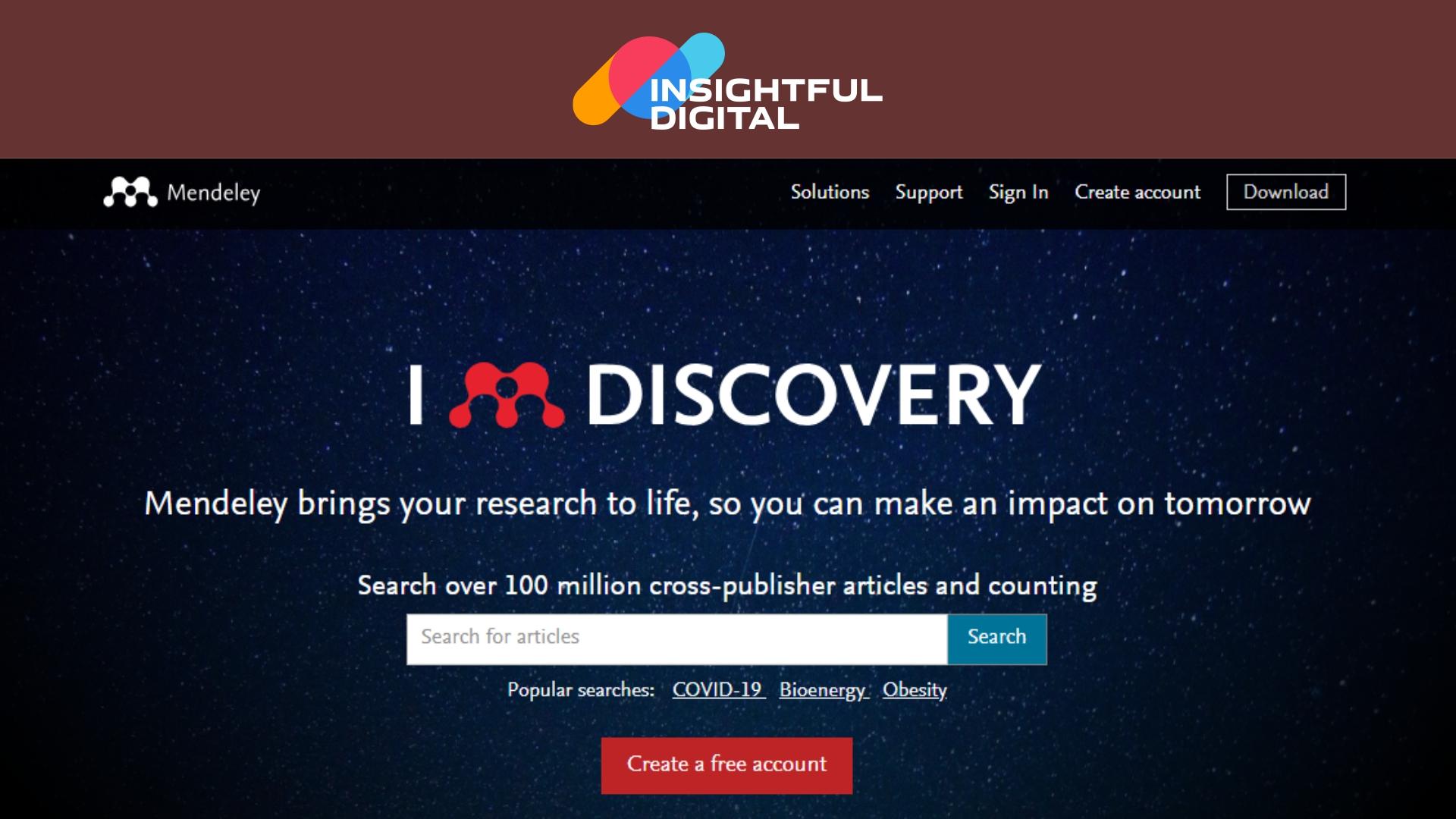
Mendeley is an AI-powered reference manager and academic social network that helps students organize their research, collaborate with others, and discover new research.
Advantages:
Automatically generates bibliographies and citations.
Allows collaboration with other researchers.
Provides access to a vast library of academic papers.
Limitations:
Some users find the interface to be outdated.
Advanced features require a paid subscription.
Pricing:
Free Plan: Basic reference management and 2GB cloud storage.
Premium: $4.99/month for 5GB storage.
Professional: $9.99/month for 10GB storage.
8. Forest
About:
Founded in: 2016
Founded by: Seekrtech (a small team of developers)
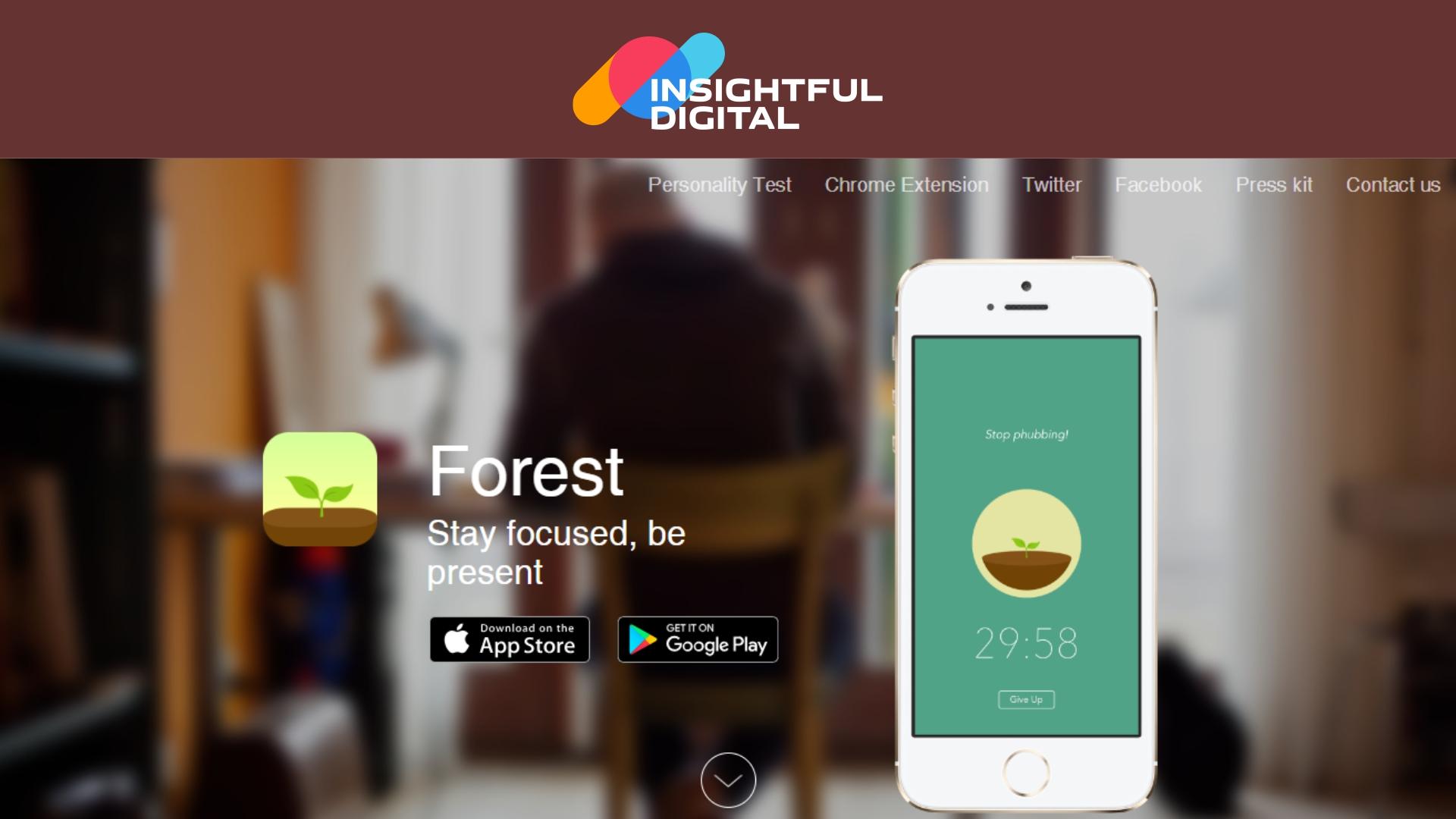
Forest is an AI-powered productivity app that helps students stay focused by gamifying the process of staying away from their phones.
Advantages:
Encourages focused work through a unique and engaging interface.
Helps build better time management habits.
User can contribute to real-world tree planting through the app.
Limitations:
Limited features in the free version.
The app may not be suitable for users who dislike gamified experiences.
Pricing:
Paid App: $1.99 on iOS and Android.
In-app purchases: For additional features and tree planting contributions.
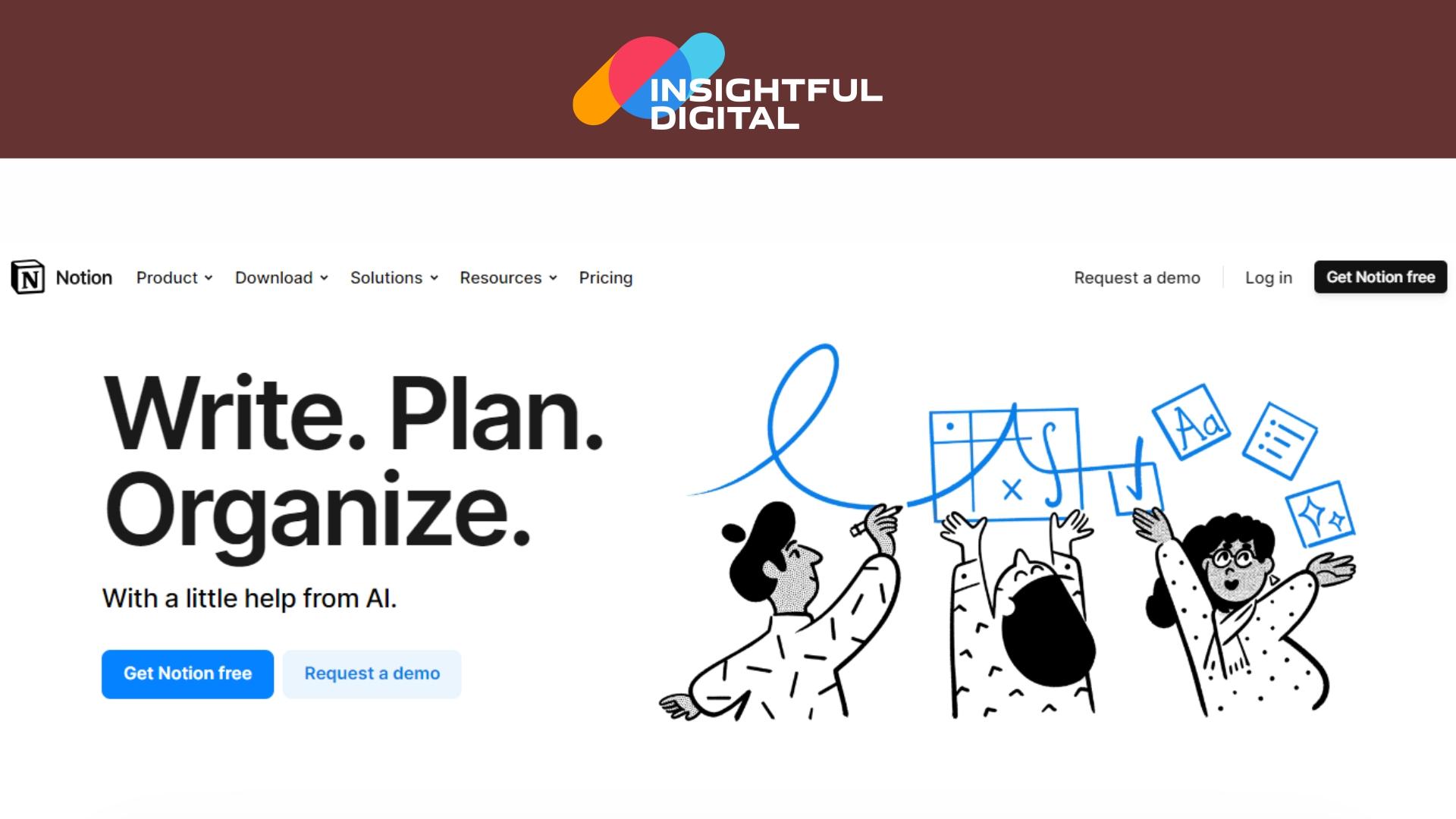
9. Notion
About:
Founded in: 2013
Founded by: Ivan Zhao
Notion is an AI-powered all-in-one workspace that helps students organize their notes, tasks, databases, and projects in one place.
Advantages:
Highly customizable workspace with templates for various needs.
Integrates with other tools like Google Drive and Trello.
Collaborative features for group projects and teamwork.
Limitations:
Can be overwhelming for new users due to its extensive features.
Some advanced features are available only in the paid version.
Pricing:
Free Plan: Basic features with unlimited blocks for personal use.
Personal Pro: $4/month for advanced features.
Team: $8/user/month for team collaboration.
Enterprise: Contact Notion for pricing.
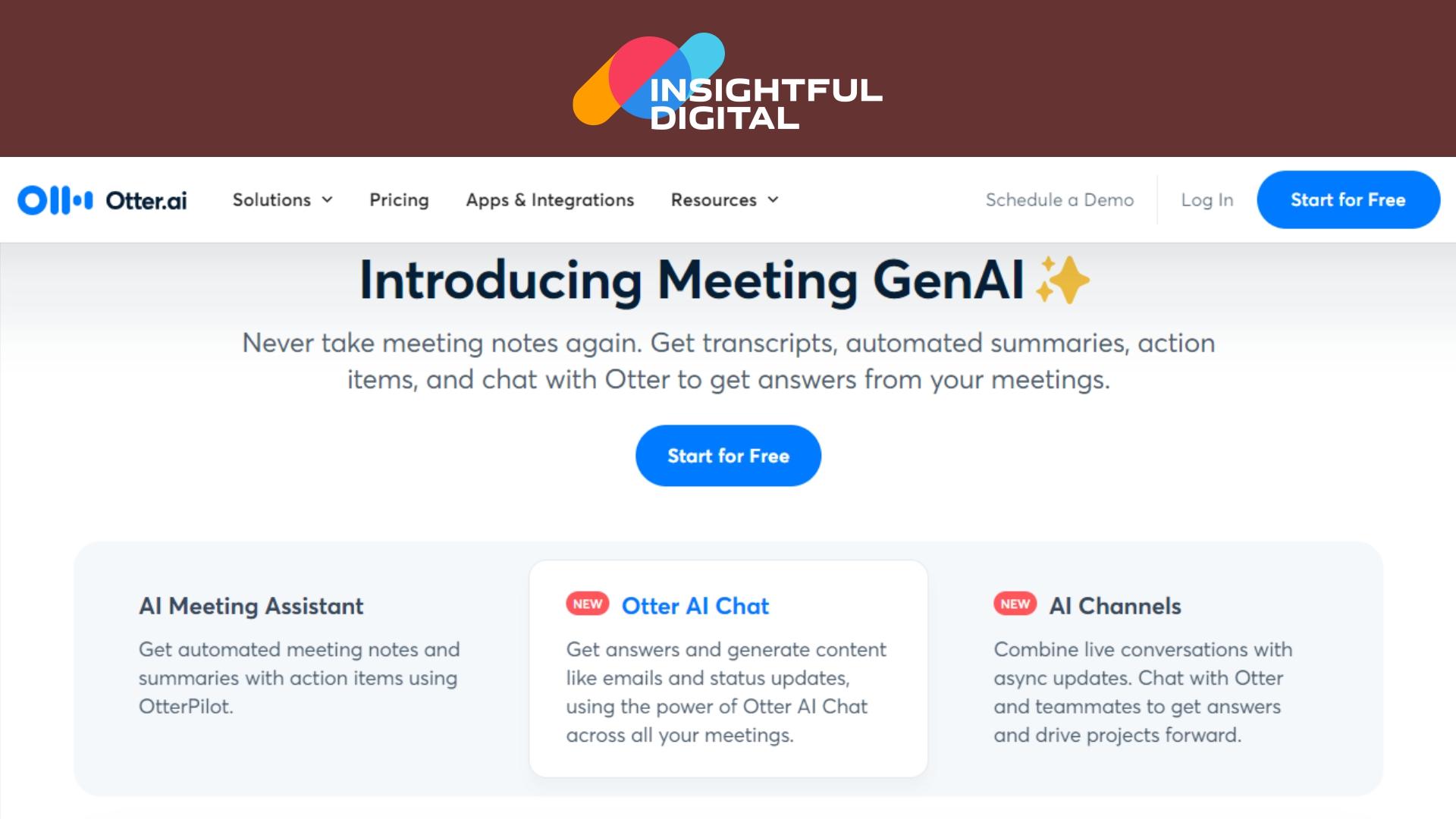
10. Otter.ai
About:
Founded in: 2016
Founded by: Sam Liang and Yun Fu
Otter.ai is an AI-powered transcription tool that helps students convert spoken language into written text, making it easier to take notes during lectures and meetings.
Advantages:
Provides accurate transcriptions in real-time.
Allows users to edit and organize transcriptions.
Integrates with popular tools like Zoom and Google Meet.
Limitations:
The free plan has a limited number of transcription minutes.
Some users may experience issues with accuracy, particularly with accents or technical jargon.
Pricing:
Free Plan: 600 minutes of transcription per month.
Pro: $8.33/month for 6,000 minutes.
Business: $20/user/month for advanced features and team management.
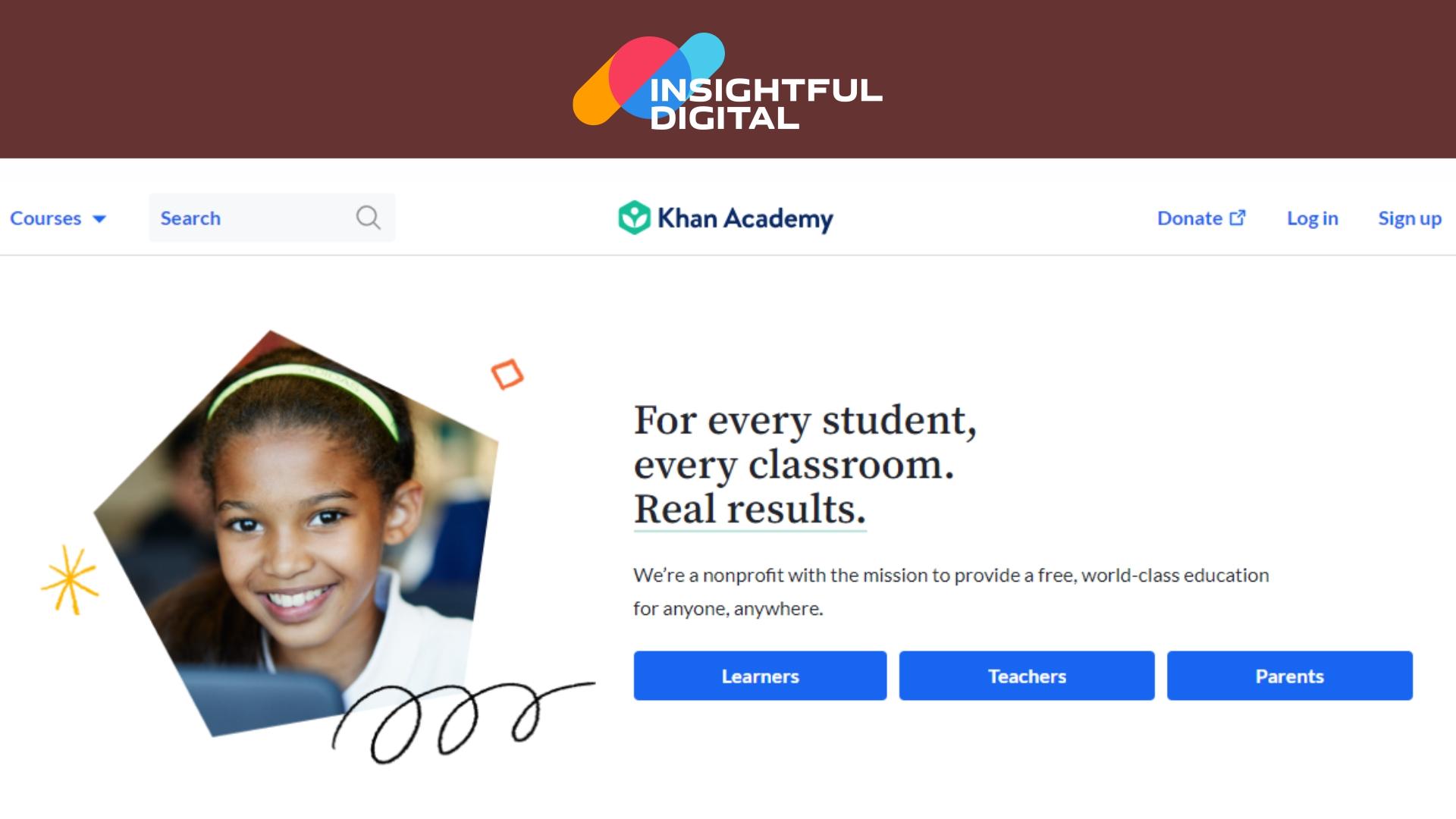
11. Khan Academy
About:
Founded in: 2008
Founded by: Salman Khan
Khan Academy is an AI-powered educational platform that offers free courses and resources on a wide range of subjects, from math and science to humanities and test preparation.
Advantages:
Completely free access to high-quality educational content.
Personalized learning paths based on the student’s progress.
Support for various standardized tests like SAT, MCAT, and LSAT.
Limitations:
Limited advanced courses for higher education.
Some users may prefer more interactive or gamified learning experiences.
Pricing:
Free: 100% free for students and educators.
Conclusion
These AI tools offer a range of functionalities that can significantly enhance a student’s academic experience. Whether you're looking to improve your writing, manage projects efficiently, or get organized, there's a tool in this list to meet your needs. Each tool comes with its own set of advantages and limitations, so it’s essential to choose the ones that align best with your requirements and budget. By integrating these AI tools into your daily routine, you can optimize your learning experience and stay ahead in your academic journey.