
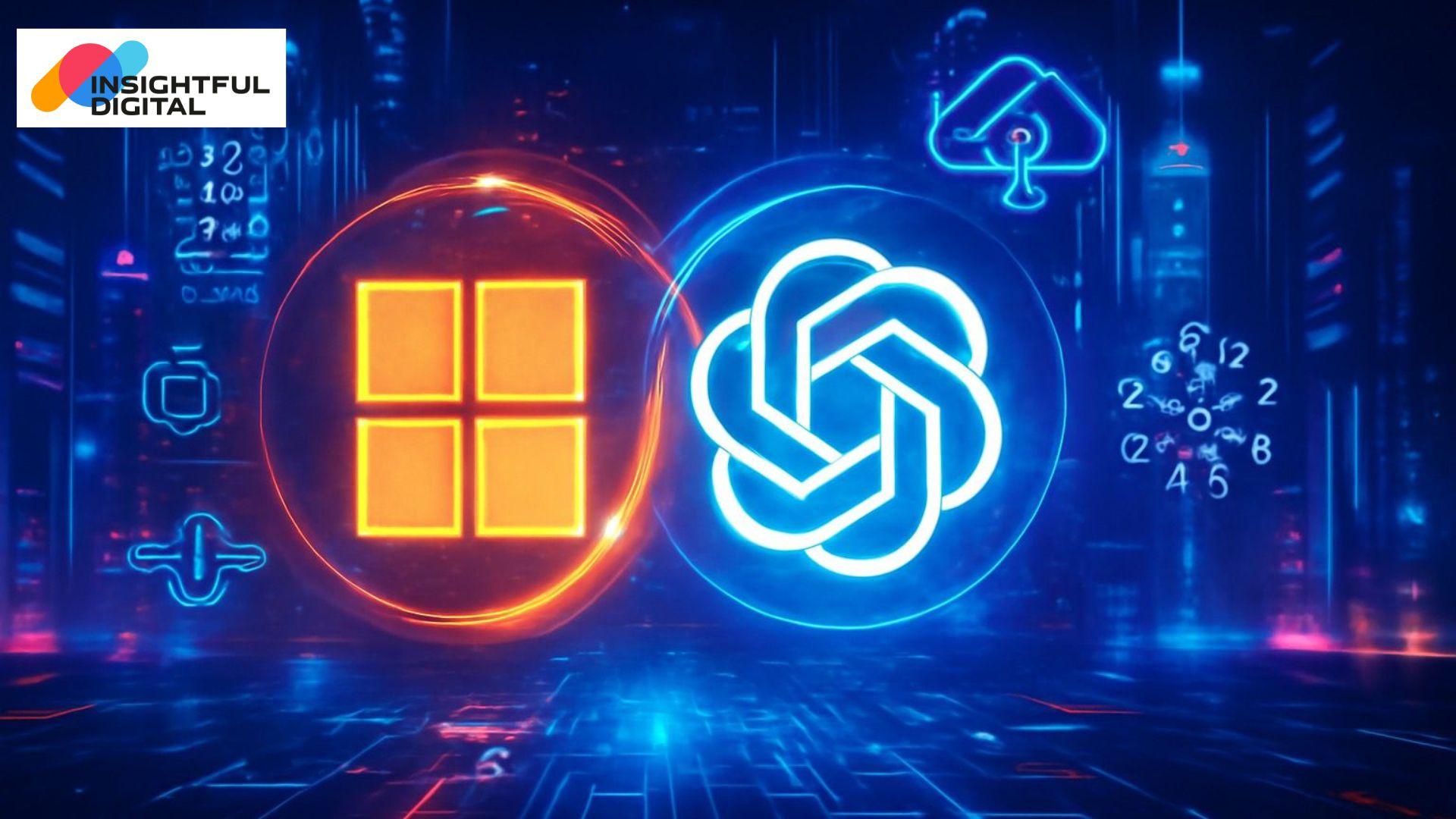
The long-standing partnership between Microsoft and OpenAI is entering a new chapter. They’ve recently signed a non-binding deal that allows OpenAI to overhaul how it operates - aiming to convert its for-profit arm into a more typical corporate structure, while its nonprofit parent retains significant influence. This update signals not just a governance shift, but a potential turning point in the AI industry’s balance of innovation, competition, and ethics.
What’s Changing
OpenAI may move toward a status known as a “public benefit corporation” - a model where profits and mission are aligned, yet accountability is reinforced. Under the new arrangement, the nonprofit side of OpenAI is set to receive an equity stake valued in the tens of billions, giving it continued influence even if operations become more commercially driven. Microsoft remains heavily involved, committed to maintaining access to future OpenAI models and keeping their collaborative tools alive.
At the same time, OpenAI is exploring additional cloud partners and resources. That means Microsoft may no longer be the sole provider of infrastructure as OpenAI develops its computing and data capacity. This opens up room for competition among cloud providers and may diversify where AI models are trained, deployed, and scaled from.
Why This Matters
There are multiple layers to why this restructuring is important.
Operational flexibility: OpenAI gains more scope to raise capital, make long-term plans, and pursue ambitious projects with less friction - key in an industry defined by rapid evolution.
Regulatory clarity: As questions around AI ethics, safety, and fairness grow louder, having a structure that blends profit with public benefit may earn more trust from regulators and the public.
Competitive dynamics: Microsoft’s priority will be to retain preferential access and certain exclusivity, but a less rigid tie between the two could spur innovation elsewhere as companies vie to fill gaps in infrastructure and cloud services.
What to Watch Out For
Change brings opportunity, but also risk.
Model access & exclusivity: How tightly Microsoft retains access to future OpenAI models could shape whether their products like Copilot or Azure will remain ahead in AI-integrated services.
Valuation & capital raising: If OpenAI moves toward a $500 billion valuation as talked about, investor expectations and market pressures will intensify. Ensuring mission focus isn’t lost in profit chase will be tough.
Regulatory scrutiny: As OpenAI adjusts its structure, its nonprofit mission, transparency, and charitable claims will face closer examination from authorities keen to prevent misuse or mission drift.
Industry ripple effects: Other AI companies will likely take note - perhaps pushing for similar hybrids of mission + profit models. There’s also potential for cloud providers and AI infrastructure firms to benefit greatly from diversified partnerships.
Implications for the AI Landscape
If all goes well, this partnership reset could set standards for others: how to balance incentives with safety, how to design a structure that supports both breakthrough innovation and ethical guardrails, and how companies can stay mission-driven while still scaling profitably. The AI market may tilt toward more collaborative, multi-partner infrastructure, where dependence on a single vendor or cloud platform becomes less risky.
Final Thoughts
This transition isn’t just a business update - it’s a marker of maturity for the AI field. Microsoft and OpenAI have been working together for years through highs and controversies. By rethinking their partnership, they are adapting to what the next phase of AI demands: speed, scale, responsibility.
In the next few months, what will matter most is how they implement these changes. If OpenAI can stay committed to its original mission, and Microsoft can evolve with it while ensuring innovation doesn’t get compromised, their reset could serve as a blueprint for AI partnerships globally.
MCQs for Readers:
1. What structural change is OpenAI exploring under the new deal?
a) Nonprofit expansion
b) Public Benefit Corporation status
c) Government partnership
d) IPO filing
Answer: b) Public Benefit Corporation status
2. What will the nonprofit arm of OpenAI receive as part of the restructuring?
a) Government grant
b) Cloud infrastructure ownership
c) Equity stake worth billions
d) Exclusive licensing rights
Answer: c) Equity stake worth billions
3. Which company has been OpenAI’s primary cloud partner so far?
a) Amazon
b) Google
c) Microsoft
d) IBM
Answer: c) Microsoft
4. Why is the restructuring important for regulatory clarity?
a) Aligns profit and mission for more trust
b) Increases AI model secrecy
c) Shifts AI oversight to investors only
d) Eliminates nonprofit influence
Answer: a) Aligns profit and mission for more trust
5. What could happen if Microsoft loses exclusivity over OpenAI’s models?
a) Decline in global AI adoption
b) Boost in competition and innovation
c) End of AI regulation
d) Reduced investor interest in AI
Answer: b) Boost in competition and innovation
6. Which Microsoft products benefit most from OpenAI models?
a) Windows 11
b) Office Copilot and Azure AI
c) Bing Maps
d) GitHub Marketplace
Answer: b) Office Copilot and Azure AI
7. What is one potential risk of OpenAI moving toward a $500B valuation?
a) Lack of investor interest
b) Mission drift under profit pressure
c) Cloud providers losing demand
d) AI research slowdown
Answer: b) Mission drift under profit pressure
8. What broader industry trend could result from this partnership shift?
a) Decline in AI adoption globally
b) Growth of multi-partner cloud ecosystems
c) End of AI infrastructure innovation
d) Reduced demand for AI ethics
Answer: b) Growth of multi-partner cloud ecosystems