
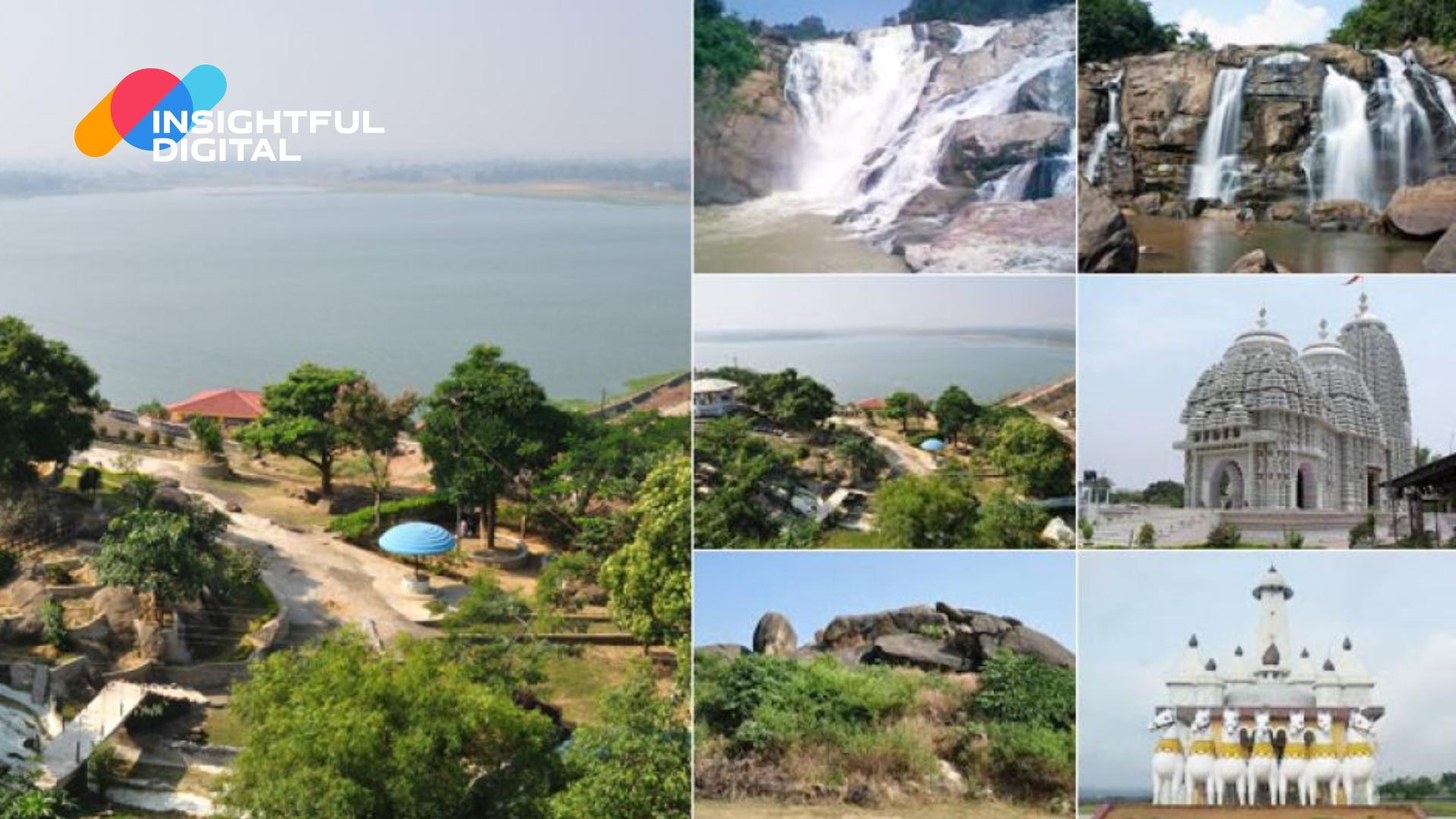
Jharkhand, known as the “Land of Forests”, was carved out of Bihar on 15th November 2000 as the 28th state of India. With lush greenery, mineral wealth, tribal culture, waterfalls, and dense forests, it holds a unique position in India’s geography and economy. The name “Jharkhand” literally means “Bushland” or “Land of Forests,” reflecting its rich natural heritage.
It is one of the richest states in India in terms of mineral resources (coal, iron ore, mica, copper, uranium, and bauxite), which makes it the backbone of India’s heavy industries and energy sector. Culturally, Jharkhand is home to vibrant tribal communities like Santhal, Munda, Oraon, and Ho, who enrich Indian heritage with their traditions, festivals, music, and dance.
For students and competitive exam aspirants, Jharkhand is significant because of its mineral-based economy, tribal movements in India’s freedom struggle, and its growing importance in politics, industry, and environment.
Historical Significance
- Ancient history links Jharkhand to the Asura and Nagavanshi dynasties.
- In medieval times, it was ruled by tribal chiefs, local kingdoms, and later the Nagvanshi rulers of Chotanagpur.
- During the Mughal and British period, it was often described as the “Jungle Mahal” because of its dense forests and tribal resistance.
- Jharkhand played an important role in India’s freedom struggle through tribal revolts like:
- Santhal Rebellion (1855–56) led by Sidhu & Kanhu Murmu.
- Munda Rebellion (Ulgulan, 1899–1900) led by Birsa Munda.
- Kol Rebellion (1831–32).
- Jharkhand became a separate state on 15th November 2000, coinciding with the birth anniversary of Birsa Munda, who is revered as a tribal freedom fighter.
Geography & Location
- Area: 79,716 sq. km.
- Borders: Bihar (north), West Bengal (east), Odisha (south), Chhattisgarh (west), Uttar Pradesh (north-west).
- Rivers: Damodar, Subarnarekha, Koel, Mayurakshi, Kharkai.
- Climate: Tropical with hot summers, heavy monsoons, and mild winters.
- Capital: Ranchi (Judicial Capital: Ranchi, High Court also here).
- Important Cities: Ranchi, Jamshedpur, Dhanbad, Bokaro, Hazaribagh, Deoghar.
- Districts (24): Bokaro, Chatra, Deoghar, Dhanbad, Dumka, East Singhbhum, Garhwa, Giridih, Godda, Gumla, Hazaribagh, Jamtara, Khunti, Koderma, Latehar, Lohardaga, Pakur, Palamu, Ramgarh, Ranchi, Sahibganj, Seraikela-Kharsawan, Simdega, West Singhbhum.
Culture & Traditions
- Tribal Culture: Jharkhand is home to 32 tribes, including Santhal, Munda, Oraon, Ho, Kharia, and Gond.
- Festivals: Sarhul, Karma, Sohrai, Mage Parab, Tusu Parab, Bandna, Jani Shikar.
- Dance & Music: Chhau (Purulia), Paika, Jhumar, Domkach.
- Cuisine: Handia (rice beer), Dhuska, Rugra, Chilka Roti, Bamboo shoot dishes, Thekua.
- Crafts: Dokra art, Sohrai & Kohbar paintings, stone carvings, bamboo crafts.
Language & Literature
- Official Language: Hindi.
- Regional Languages: Santhali, Mundari, Ho, Kurukh, Khortha, Nagpuri, Panchpargania, Bangla, Oriya, Urdu.
- Literature: Tribal oral traditions, folk tales, and songs are central. Writers like Mahashweta Devi (though Bengali, she highlighted tribal issues) and contemporary Santhali writers have enriched Jharkhand’s literature.
Demographics & Society
- Population: ~3.29 crore (Census 2011; projected 2024 ~3.7 crore).
- Literacy Rate: ~67.6%.
- Urban vs Rural: Mostly rural, though industrial hubs like Jamshedpur, Dhanbad, and Bokaro are urbanized.
- Major Religions: Hinduism (dominant), Sarna tribal faith, Islam, Christianity.
- Communities: Tribal groups (28% population), caste Hindus, backward classes, and minorities.
Economy & Development
- Mineral Resources: Coal, iron ore, copper, mica, bauxite, uranium.
- Industries: Steel (Jamshedpur – Tata Steel, Bokaro Steel Plant), coal mining (Dhanbad), heavy engineering, power plants.
- Agriculture: Rice, maize, wheat, pulses.
- Tourism: Pilgrimage (Deoghar), waterfalls (Dassam, Hundru, Jonha), wildlife sanctuaries.
- Jharkhand contributes significantly to India’s mineral production, making it the “Mineral State of India.”
Education & Institutions
- Universities: Ranchi University, BIT Mesra, NIT Jamshedpur, XLRI Jamshedpur (prestigious management institute), Central University of Jharkhand.
- Research: Indian School of Mines (IIT Dhanbad), National Metallurgical Laboratory (Jamshedpur).
Tourist Attractions
- Deoghar (Baidyanath Jyotirlinga Temple).
- Parasnath Hills (Jain pilgrimage).
- Betla National Park (Palamu Tiger Reserve).
- Hundru Falls, Dassam Falls, Jonha Falls (Ranchi).
- Netarhat (Queen of Chotanagpur).
- Tagore Hill, Birsa Zoological Park (Ranchi).
Why Jharkhand is Important
- Economic: Major contributor to coal, steel, and heavy industries.
- Cultural: Preserves tribal heritage, folk art, and traditions.
- Strategic: Industrial belt is crucial for India’s manufacturing sector.
- Environmental: Dense forests, wildlife sanctuaries, and waterfalls enhance India’s ecological balance.
Conclusion
Jharkhand is a land where tribal heritage meets industrial power, making it unique in India’s landscape. From the legacy of Birsa Munda’s tribal rebellion to its present role as the industrial backbone of India, Jharkhand represents courage, resilience, and growth. For students, exam aspirants, and travelers, Jharkhand is an important state that symbolizes unity in diversity, tradition with modernity, and nature with industry.
Objective Questions for Competitive Exams
Q.1. Jharkhand was formed in which year?
a) 1947
b) 1956
c) 2000
d) 1972
Answer: c) 2000
Q.2. Who led the Ulgulan (Great Tumult) tribal movement?
a) Sidhu Murmu
b) Tilka Manjhi
c) Birsa Munda
d) Kanhu Murmu
Answer: c) Birsa Munda
Q.3. Which city is known as the ‘Steel City of India’?
a) Ranchi
b) Dhanbad
c) Jamshedpur
d) Bokaro
Answer: c) Jamshedpur
Q.4. Deoghar in Jharkhand is famous for which temple?
a) Somnath
b) Baidyanath Jyotirlinga
c) Jagannath
d) Vishnupad
Answer: b) Baidyanath Jyotirlinga
Q.5. Which is the highest waterfall of Jharkhand?
a) Dassam Falls
b) Hundru Falls
c) Jonha Falls
d) Lodh Falls
Answer: d) Lodh Falls
Q.6. Which river is called the “River of Sorrow” of Jharkhand?
a) Subarnarekha
b) Damodar
c) Koel
d) Mayurakshi
Answer: b) Damodar
Q.7. Which wildlife sanctuary is also a Tiger Reserve in Jharkhand?
a) Dalma Sanctuary
b) Betla National Park
c) Hazaribagh Sanctuary
d) Palamu Sanctuary
Answer: b) Betla National Park
Q.8. Which tribe is NOT found in Jharkhand?
a) Santhal
b) Munda
c) Toda
d) Ho
Answer: c) Toda
Q.9. What is the literacy rate of Jharkhand as per Census 2011?
a) 57%
b) 67.6%
c) 72%
d) 80%
Answer: b) 67.6%
Q.10. Which district is famous for mica mining?
a) Ranchi
b) Koderma
c) Dhanbad
d) Giridih
Answer: b) Koderma