
Introduction
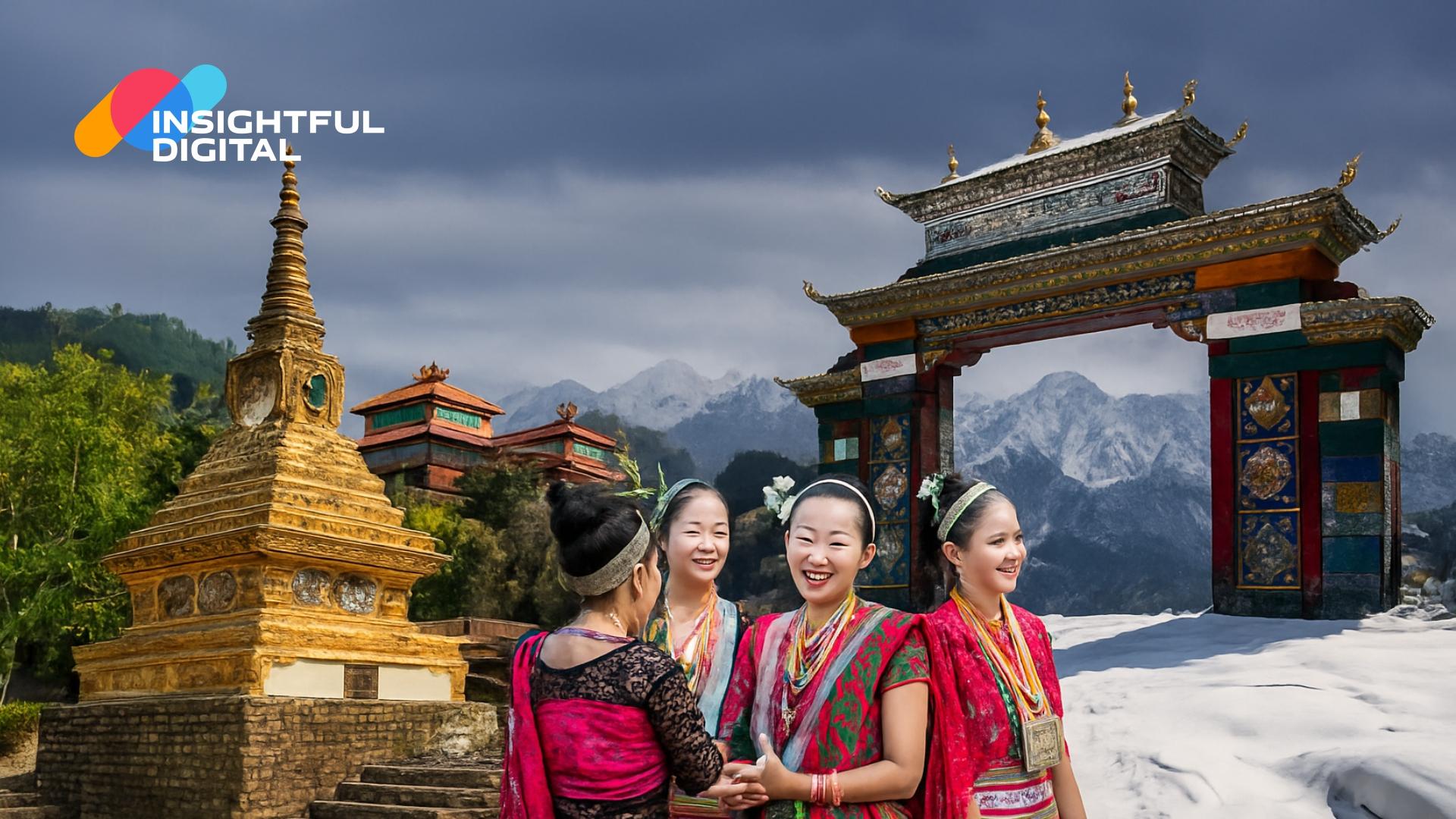
Arunachal Pradesh, often called the “Land of the Rising Sun”, is one of the most beautiful and culturally rich states of India. Nestled in the northeastern part of the country, it shares international borders with Bhutan, China, and Myanmar. Covered by snow-capped mountains, lush valleys, and flowing rivers, Arunachal Pradesh is a paradise for nature lovers and an important region for India’s strategic defense. Historically, this land has been home to diverse tribes with unique cultural practices, oral traditions, and indigenous governance systems.
The state holds immense importance in Indian history and culture because it reflects the diversity of tribal heritage, Buddhist influence, and India’s rich pluralistic identity. Festivals like Losar, Nyokum, Dree, and Solung showcase the colorful lifestyle of its people. With over 26 major tribes and more than 100 sub-tribes, Arunachal Pradesh is a living example of India’s unity in diversity.
For students and aspirants of competitive exams, studying Arunachal Pradesh is vital, as it often appears in General Knowledge, History, Geography, and Current Affairs sections. Understanding its history, culture, economy, and demographics not only builds awareness about India’s northeastern frontier but also highlights how diverse traditions contribute to the larger identity of Bharat. Thus, exploring Arunachal Pradesh under “Bharat Darshan” is both educational and culturally enriching.
Historical Significance
Arunachal Pradesh has a unique history that combines mythological references, tribal traditions, and modern political struggles. It is mentioned in ancient Hindu texts such as the Kalika Purana and the Mahabharata, where it is believed to be the site where Sage Parashurama washed away his sins, and where Rukmini (wife of Lord Krishna) belonged.
During the medieval period, Arunachal was under the influence of the Ahom Kingdom of Assam and local tribal chiefs. The Monpa and Sherdukpen tribes of western Arunachal maintained close ties with Tibet, which influenced the spread of Buddhism. Monasteries like Tawang Monastery—the largest in India and second largest in the world—stand as testimony to its Buddhist heritage.
In the colonial era, the British introduced the concept of the North-East Frontier Agency (NEFA), which later became Arunachal Pradesh. The region was strategically important during the 1962 Sino-Indian War, making it a crucial frontier state for national defense.
Post-independence, Arunachal Pradesh went through a political transformation—first as a Union Territory (1972), and finally attaining full statehood on 20 February 1987. This historical journey makes Arunachal Pradesh both culturally significant and geopolitically important for India.
Geography & Location
Arunachal Pradesh covers an area of 83,743 sq km, making it the largest state in Northeast India. It shares international boundaries with:
• China (North) – 1,080 km boundary
• Bhutan (West)
• Myanmar (East)
It also borders the Indian states of Assam and Nagaland.
The state is known for its hilly terrain, Himalayan ranges, rivers (Siang, Subansiri, Kameng, Lohit, Tirap), and diverse climate—from alpine in the north to subtropical in the south. Rich in forests, Arunachal is a storehouse of hydropower, medicinal plants, and biodiversity.
Important Cities: Itanagar (Capital), Tawang, Ziro, Pasighat, Bomdila, Roing.
Districts (26): Tawang, West Kameng, East Kameng, Papum Pare, Kurung Kumey, Kra Daadi, Lower Subansiri, Upper Subansiri, West Siang, East Siang, Siang, Upper Siang, Lower Siang, Lower Dibang Valley, Dibang Valley, Anjaw, Lohit, Namsai, Changlang, Tirap, Longding, Leparada, Pakke-Kessang, Shi Yomi, Kamle, Capital Complex Region (Itanagar).
Culture & Traditions
Arunachal Pradesh is home to 26 tribes and over 100 sub-tribes, each with distinct customs.
• Dance & Music: Dances like Aji Lhamu (Monpa tribe), Popir (Adi tribe), and Wancho dance are popular.
• Festivals: Losar (Monpa), Nyokum (Nyishi), Solung (Adi), Dree (Apatani).
• Cuisine: Rice, meat, bamboo shoots, momos, thukpa, and local beverages like apong (rice beer).
• Traditional Attire: Colorful woven garments, beads, bamboo ornaments.
• Crafts: Bamboo work, cane furniture, handwoven textiles, and wood carvings.
Language & Literature
The official language is English, but numerous tribal languages exist, such as Nyishi, Adi, Apatani, Monpa, Wancho, and Mishmi. Hindi and Assamese are also understood in parts of the state.
The region is rich in folk literature, oral storytelling, and mythological ballads, though modern literature is emerging slowly with contributions from local writers.
Demographics & Society
• Population (2011 Census): ~13.8 lakh (likely ~16–17 lakh in 2025).
• Density: 17 per sq km (lowest in India).
• Literacy Rate: ~66.95%.
• Urban vs Rural: Predominantly rural (over 75%).
• Religions: Indigenous faiths (Donyi-Polo, Rangfra), Buddhism, Hinduism, Christianity.
• Communities: Nyishi, Adi, Apatani, Monpa, Galo, Tagin, Wancho, Khamti, and others.
Economy & Development
• Agriculture: Rice, millet, maize, pulses, oranges, apples.
• Industries: Handicrafts, horticulture, hydroelectric projects.
• Tourism: Tawang, Ziro Valley, Namdapha National Park, Bomdila.
• GDP Role: Emerging state, contributes via hydroelectricity and horticulture to India’s economy.
Education & Institutions
• Major Universities/Colleges: Rajiv Gandhi University (Itanagar), NERIST (Nirjuli), Arunachal University of Studies, National Institute of Technology (Yupia).
• Government initiatives are improving literacy and skill development.
Tourist Attractions
• Tawang Monastery (Buddhist heritage).
• Ziro Valley (UNESCO tentative list).
• Namdapha National Park (rich biodiversity).
• Sela Pass, Mechuka, Bomdila, Parasuram Kund.
Why This State is Important
Arunachal Pradesh is politically and strategically crucial due to its international borders with China, Bhutan, and Myanmar. Culturally, it represents tribal heritage, Buddhist traditions, and diverse festivals. Economically, it holds potential in hydropower, horticulture, and eco-tourism, making it a future contributor to India’s sustainable development.
Conclusion
Arunachal Pradesh is not just a northeastern state of India but a vital part of the nation’s cultural mosaic. From its tribal diversity and Buddhist monasteries to its strategic borders and natural beauty, the state showcases the true spirit of India’s unity in diversity. For students, travelers, and exam aspirants, learning about Arunachal Pradesh deepens understanding of India’s rich past, present, and future potential.
Objective Questions for Competitive Exams
Q.1. Arunachal Pradesh attained full statehood in which year?
A. 1972
B. 1987
C. 1992
D. 1962
Answer: B. 1987
Q.2. What is the capital of Arunachal Pradesh?
A. Pasighat
B. Bomdila
C. Itanagar
D. Tawang
Answer: C. Itanagar
Q.3. Tawang Monastery is associated with which religion?
A. Hinduism
B. Buddhism
C. Christianity
D. Jainism
Answer: B. Buddhism
Q.4. Which river is the main tributary of the Brahmaputra in Arunachal Pradesh?
A. Yamuna
B. Ganga
C. Siang
D. Godavari
Answer: C. Siang
Q.5. Arunachal Pradesh was earlier known as?
A. North-East Province
B. North-East Frontier Agency (NEFA)
C. Assam Valley
D. Tribal Union Territory
Answer: B. NEFA
Q.6. Which tribe celebrates the festival of Nyokum?
A. Adi
B. Nyishi
C. Apatani
D. Monpa
Answer: B. Nyishi
Q.7. How many districts are there in Arunachal Pradesh (as of 2025)?
A. 23
B. 24
C. 26
D. 28
Answer: C. 26
Q.8. Which is the largest National Park in Arunachal Pradesh?
A. Namdapha National Park
B. Kaziranga
C. Mouling
D. Orang
Answer: A. Namdapha National Park
Q.9. The literacy rate of Arunachal Pradesh as per 2011 census is approximately?
A. 55%
B. 61%
C. 67%
D. 72%
Answer: C. 67%
Q.10. Which valley of Arunachal Pradesh is in the UNESCO tentative list?
A. Ziro Valley
B. Lohit Valley
C. Dibang Valley
D. Siang Valley
Answer: A. Ziro Valley
Q.11. Who are the major tribes of Arunachal Pradesh?
A. Maratha, Bodo, Khasi
B. Nyishi, Adi, Apatani, Monpa
C. Gond, Bhil, Santhal
D. Meitei, Dimasa, Mizo
Answer: B. Nyishi, Adi, Apatani, Monpa
Q.12. Arunachal Pradesh shares the longest border with which country?
A. Bhutan
B. Myanmar
C. China
D. Nepal
Answer: C. China