
Introduction
Assam, the gateway to Northeast India, is one of the most historically rich and culturally diverse states of the country. Known as the “Land of the Red River and Blue Hills”, it is famous for its tea gardens, the mighty Brahmaputra River, silk industries, and unique biodiversity. Assam occupies a special place in India’s cultural heritage due to its blend of indigenous tribes, medieval dynasties, Vaishnavite traditions, and colonial history.
Geographically, Assam is blessed with fertile plains, rolling hills, and rich forests that make it an agricultural hub, especially for rice and tea. The Kaziranga National Park (home to the one-horned rhinoceros) and Majuli (the world’s largest river island) are internationally renowned landmarks that showcase Assam’s ecological significance.
Historically, Assam was ruled by dynasties like the Varman, Kamarupa, and Ahoms, who contributed immensely to art, culture, and administration. The Ahoms, in particular, ruled for over 600 years, resisting Mughal invasions and leaving behind remarkable architecture such as Rang Ghar and Talatal Ghar.
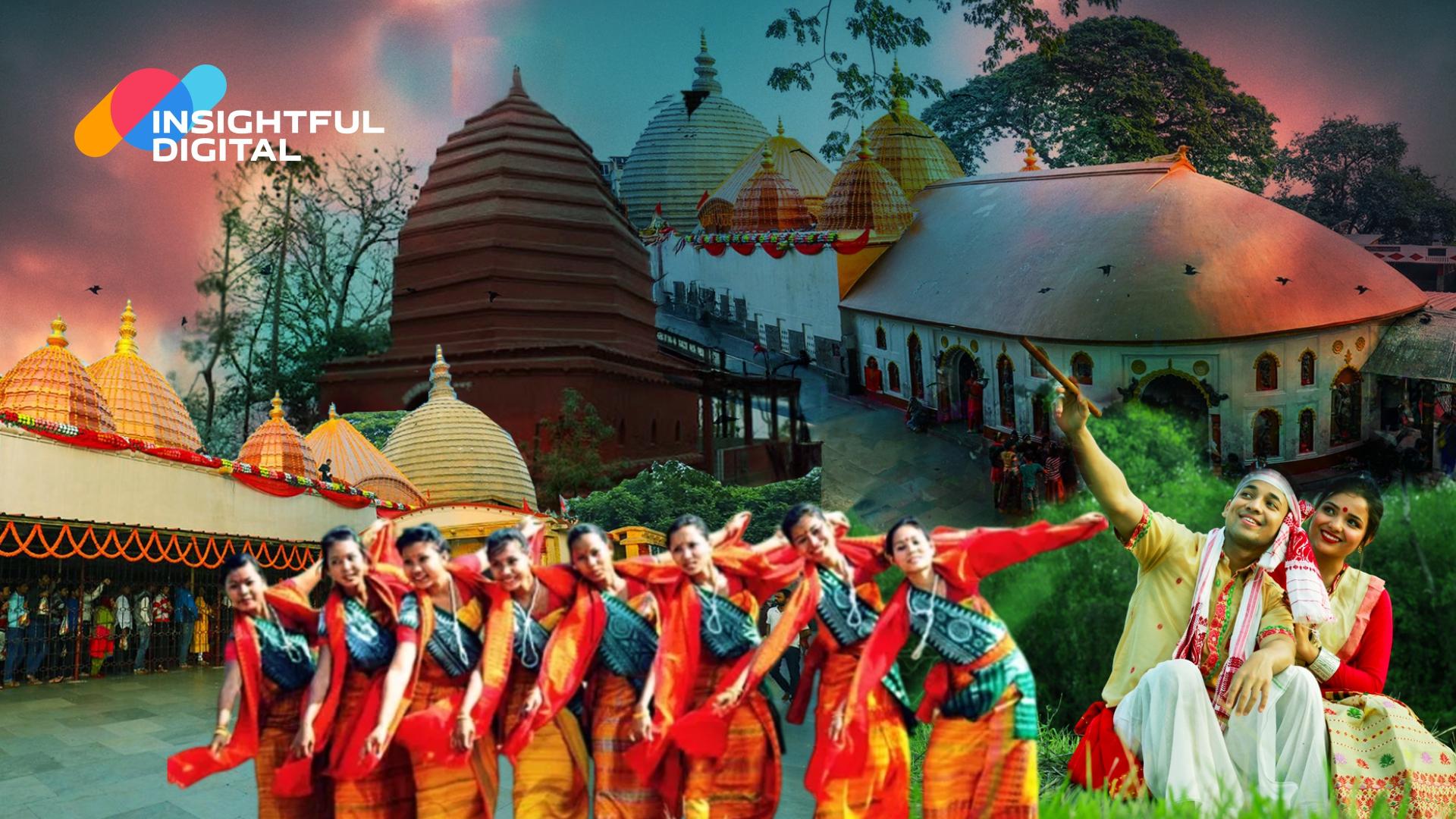
Culturally, Assam is vibrant, with festivals like Bihu, Bohag, and Durga Puja, along with the world-famous Assamese silk weaving (Muga, Eri, Pat). Its unique dance forms, folk songs, and literature enrich India’s diversity.
For students and competitive exam aspirants, Assam is extremely important because it frequently appears in GK and history questions. Knowledge about Assam helps understand India’s northeastern identity, its role in the freedom movement, strategic importance (sharing borders with Bhutan, Bangladesh, and other NE states), and economic contribution through tea, oil, and natural gas.
Thus, Assam is not only a geographical region but also a cultural jewel of India that blends tradition with progress.
Historical Significance
Assam’s history dates back to ancient times, when it was known as Kamarupa (4th–12th century CE). The Kamarupa Kingdom was ruled by dynasties like the Varman, Mlechchha, and Pala. The kingdom finds mention in inscriptions and texts like the Allahabad Pillar inscription of Samudragupta.
Later, the Ahom dynasty (1228–1826) established dominance in Assam. They migrated from present-day Myanmar and created a strong, centralized kingdom. The Ahoms successfully resisted Mughal invasions in the famous Battle of Saraighat (1671), where Lachit Borphukan, the great Assamese general, defeated the Mughal forces led by Raja Ram Singh.
During the medieval period, Assam witnessed the rise of the Neo-Vaishnavite Movement, led by Srimanta Sankardev. This cultural and religious movement emphasized devotion, moral values, literature, and performing arts, shaping Assamese identity.
The British annexed Assam after the Treaty of Yandabo (1826), following the First Anglo-Burmese War. They established the tea industry, oil fields (Digboi), and railways, but exploited local resources heavily. Assam also contributed significantly to the Indian freedom movement, with leaders like Tarun Ram Phukan, Gopinath Bordoloi, and Kanaklata Barua participating actively.
Today, heritage sites like Sivasagar monuments, Kamakhya Temple, Rang Ghar, Talatal Ghar, and Majuli Satras stand as living testimonies of Assam’s glorious past.
Geography & Location
• Area: ~78,438 sq km
• Borders: Shares boundaries with Arunachal Pradesh, Nagaland, Manipur, Meghalaya, Tripura, Mizoram, West Bengal, and international borders with Bhutan and Bangladesh.
• Rivers: The Brahmaputra and the Barak rivers dominate Assam’s geography, making the land fertile.
• Climate: Humid subtropical with heavy rainfall (one of the wettest regions of India).
• Natural Resources: Tea, oil, natural gas, coal, limestone, fertile soil, forests.
Important Cities: Guwahati (largest city), Dispur (capital), Dibrugarh, Jorhat, Silchar, Tezpur, Sivasagar, Tinsukia.
Districts (35): Baksa, Barpeta, Biswanath, Bongaigaon, Cachar, Charaideo, Chirang, Darrang, Dhemaji, Dhubri, Dibrugarh, Dima Hasao, Goalpara, Golaghat, Hailakandi, Hojai, Jorhat, Kamrup Metropolitan, Kamrup Rural, Karbi Anglong, Karimganj, Kokrajhar, Lakhimpur, Majuli, Morigaon, Nagaon, Nalbari, Sivasagar, Sonitpur, South Salmara-Mankachar, Tinsukia, Udalguri, Tamulpur, Bajali, West Karbi Anglong
Culture & Traditions
• Dance & Music: Bihu dance, Sattriya dance (classical), Ojapali, Bagurumba.
• Festivals: Rongali Bihu (harvest festival), Magh Bihu, Kati Bihu, Ambubachi Mela (Kamakhya Temple).
• Cuisine: Rice, fish, meat, pitika (mashed dishes), pitha (rice cakes), and local beverages.
• Attire: Mekhela Chador (women), Dhoti-Gamosa (men).
• Crafts: Bell-metal work (Sarthebari), bamboo & cane crafts, silk weaving (Muga, Eri, Pat).
Language & Literature
• Official Language: Assamese.
• Other Languages: Bengali (Barak Valley), Bodo (Bodoland region), Hindi, English.
• Literary Heritage: Contributions of Sankardev, Madhabdev, Lakshminath Bezbaroa, Bishnu Prasad Rabha, Hiren Bhattacharya enriched Assamese literature.
• Folk literature includes Borgeets, Ojapali songs, and mythological tales.
Demographics & Society
• Population: ~3.5 crore (Census 2011: 3.12 crore, projected ~3.6 crore in 2025).
• Density: ~398 per sq km.
• Literacy Rate: ~72.19%.
• Urban vs Rural: Mostly rural (over 85%).
• Religions: Hinduism (majority), Islam (second largest), Christianity, Buddhism, indigenous faiths.
• Communities: Assamese, Bodo, Mishing, Karbi, Rabha, Dimasa, Tea-tribes, Bengali Hindus & Muslims.
Economy & Development
• Agriculture: Rice, tea, jute, pulses, sugarcane, mustard.
• Industries: Tea, oil & natural gas (Digboi – Asia’s first oil refinery), coal, handloom, silk.
• Tourism: Kaziranga, Manas, Majuli, Sivasagar.
• GDP Role: Assam contributes significantly through tea exports, oil & gas, and agriculture.
Education & Institutions
• Major Universities: Gauhati University, Dibrugarh University, Assam University (Silchar), Tezpur University, Assam Agricultural University, Cotton University.
• Research Centers: Tocklai Tea Research Institute (Jorhat), IIT Guwahati, NIT Silchar.
• Several literacy missions have improved education levels, though challenges remain in rural areas.
Tourist Attractions
• UNESCO Sites: Kaziranga National Park, Manas National Park.
• Cultural Sites: Kamakhya Temple, Majuli Satras, Rang Ghar, Talatal Ghar.
• Nature: Pobitora Wildlife Sanctuary, Haflong, Tezpur, Sualkuchi (Silk Village).
Why This State is Important
• Political Importance: Strategic due to its location in the Northeast, sharing international borders.
• Cultural Importance: Known for tea, silk, dance, literature, Vaishnavite culture.
• Economic Importance: India’s top tea producer, oil & gas hub, and a center of biodiversity.
Conclusion
Assam is not only the gateway to the Northeast but also a symbol of India’s cultural richness and resilience. From the mighty Ahoms and their heroic battles to the spiritual contributions of Sankardev, from the lush tea gardens to the one-horned rhinoceros of Kaziranga, Assam is a land where history, nature, and culture coexist beautifully.
For students, exam aspirants, and travelers, Assam offers lessons in history, geography, biodiversity, and India’s unity in diversity. It remains one of the most significant states in shaping India’s identity.
Objective Questions for Competitive Exams
Q.1. Assam was annexed by the British under which treaty?
A. Treaty of Yandabo
B. Treaty of Sugauli
C. Treaty of Allahabad
D. Treaty of Purandar
Answer: A. Treaty of Yandabo
Q.2. Who led the Assamese army in the Battle of Saraighat (1671)?
A. Lachit Borphukan
B. Gopinath Bordoloi
C. Tarun Ram Phukan
D. Bhaskarvarman
Answer: A. Lachit Borphukan
Q.3. Which river flows through Assam and is central to its economy?
A. Ganga
B. Yamuna
C. Brahmaputra
D. Godavari
Answer: C. Brahmaputra
Q.4. What is the capital of Assam?
A. Guwahati
B. Dispur
C. Jorhat
D. Tezpur
Answer: B. Dispur
Q.5. Majuli, the world’s largest river island, is located on which river?
A. Barak
B. Ganga
C. Brahmaputra
D. Lohit
Answer: C. Brahmaputra
Q.6. Assam is famous worldwide for which agricultural product?
A. Coffee
B. Tea
C. Cotton
D. Wheat
Answer: B. Tea
Q.7. Which silk is unique to Assam?
A. Kanchipuram silk
B. Banarasi silk
C. Muga silk
D. Mysore silk
Answer: C. Muga silk
Q.8. Which national parks of Assam are UNESCO World Heritage Sites?
A. Kaziranga & Manas
B. Pobitora & Nameri
C. Orang & Dibru-Saikhowa
D. None
Answer: A. Kaziranga & Manas
Q.9. Assamese classical dance form recognized by Sangeet Natak Akademi is?
A. Kathakali
B. Odissi
C. Sattriya
D. Manipuri
Answer: C. Sattriya
Q.10. Who started the Neo-Vaishnavite movement in Assam?
A. Bhaskarvarman
B. Srimanta Sankardev
C. Madhabdev
D. Hiren Bhattacharya
Answer: B. Srimanta Sankardev
Q.11. Asia’s first oil refinery was established at?
A. Duliajan
B. Digboi
C. Tinsukia
D. Jorhat
Answer: B. Digboi
Q.12. Assam shares international borders with which two countries?
A. China & Nepal
B. Bhutan & Bangladesh
C. Myanmar & Bhutan
D. Bangladesh & Nepal
Answer: B. Bhutan & Bangladesh