
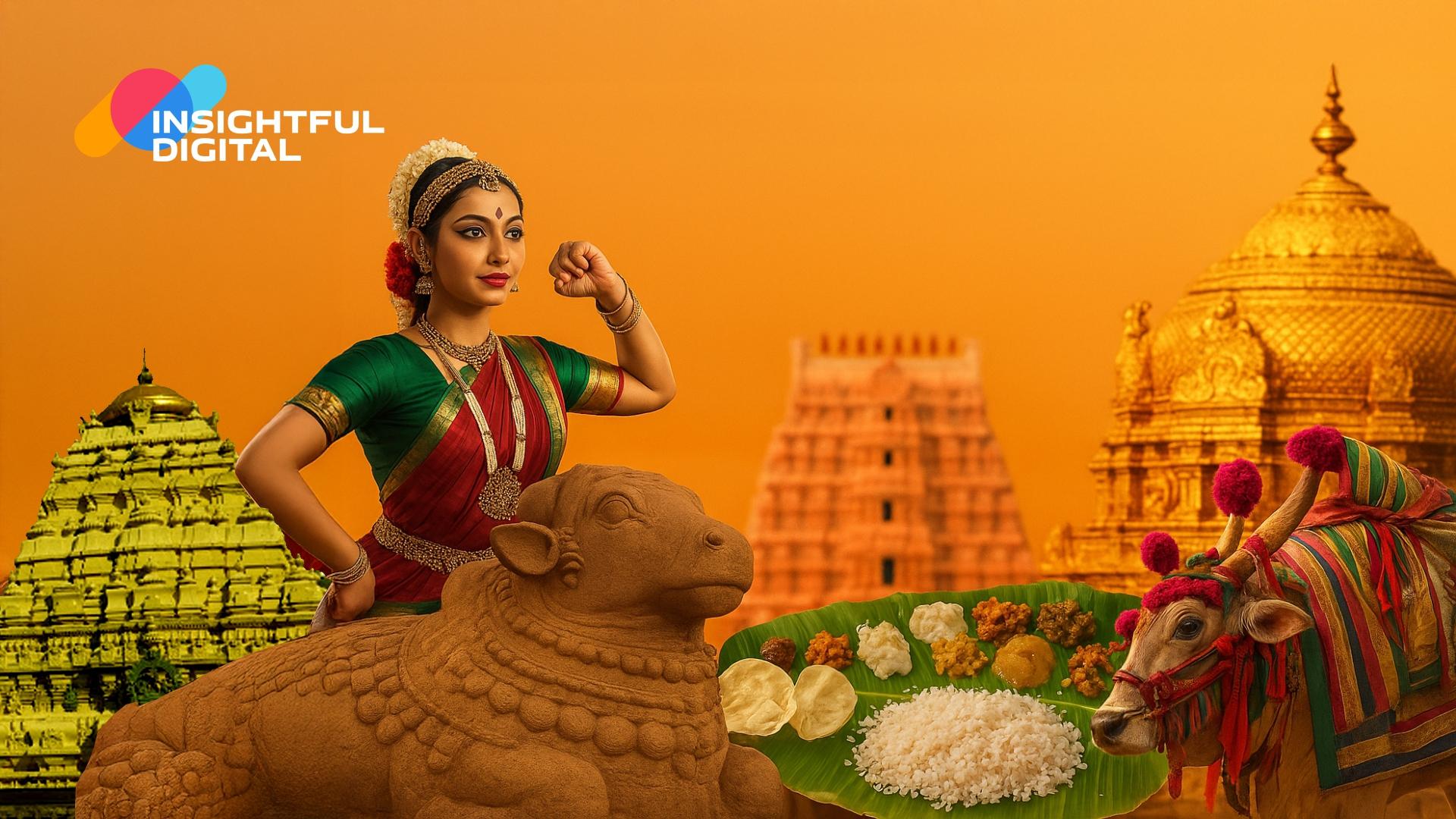
Nestled along the southeastern coast of India, Andhra Pradesh is a state of profound historical depth, vibrant cultural tapestry, and significant economic potential. Often hailed as the "Koh-i-Noor of India" and the "Rice Bowl of India," its identity is intricately woven with the mighty rivers Krishna and Godavari, which have nourished its lands and civilizations for millennia. The state's name itself is derived from the "Andhras," an ancient people mentioned in Sanskrit texts like the Aitareya Brahmana, signifying its antiquity. For students and aspirants of competitive exams, understanding Andhra Pradesh is crucial as it represents a microcosm of India's journey from ancient kingdoms and medieval sultanates to a modern, industrious state shaping the nation's future. Its history is a chronicle of powerful dynasties like the Satavahanas, Ikshvakus, and Vijayanagara, who left an indelible mark on art, architecture, and administration. The state played a pivotal role in the Indian independence movement, producing fearless leaders like Tanguturi Prakasam Pantulu (known as Andhra Kesari - Lion of Andhra) and Alluri Sitarama Raju, who led a heroic tribal revolt against British rule. Post-independence, the region was at the forefront of the linguistic reorganization of states, leading to the creation of the first state on a linguistic basis, Andhra State, in 1953, which later merged with the Telugu-speaking areas of Hyderabad State to form Andhra Pradesh in 1956. The state's recent history was marked by another significant reorganization in 2014, when Telangana was carved out as a separate state. Today, Andhra Pradesh, with its new capital Amaravati, embodies a spirit of resilience and ambition. Its culture is a rich symphony of classical dance forms like Kuchipudi, exquisite handicrafts like Kalamkari, and a world-renowned cuisine that tantalizes the palate. From the bustling IT hubs of Visakhapatnam to the serene temples of Tirupati and the lush green fields of the Godavari Delta, the state offers a study in contrasts and harmony. For anyone seeking to comprehend the political, economic, and cultural dynamics of modern India, a deep dive into Andhra Pradesh is not just beneficial but essential, as its story is inextricably linked to the larger narrative of the nation.
Historical Significance
The history of Andhra Pradesh is a grand tapestry stretching back over two millennia. The Mauryan emperor Ashoka's edicts testify to the region's importance in the 3rd century BCE. However, the first major indigenous dynasty to emerge was the Satavahanas (circa 230 BCE – 220 CE), who established their capital at Dharanikota near Amaravati. They were great patrons of Buddhism and art, as evidenced by the magnificent Amaravati Stupa, whose marble carvings are considered a high point of ancient Indian art. They were succeeded by the Ikshvakus, who further promoted Buddhism and built the exquisite monuments at Nagarjunakonda.
The medieval era saw the rise of powerful Hindu kingdoms like the Eastern Chalukyas of Vengi and the later Kakatiyas of Warangal, who built iconic structures like the Ramappa Temple (a UNESCO World Heritage Site) and the formidable Golconda Fort. The Reddy dynasty and the Vijayanagara Empire also held significant sway, promoting Telugu language and literature. The fall of Vijayanagara led to the rise of the Qutb Shahi dynasty, which established Hyderabad as its capital and left a legacy of Indo-Islamic architecture like the Charminar and Golconda Fort.
The region became a centre of European trade, with the British, French, and Dutch establishing ports. The British eventually consolidated their power through the Madras Presidency. The colonial period was marked by resistance, most famously the 1922-24 Rampa Rebellion led by Alluri Sitarama Raju. The state also played a central role in the Indian freedom struggle, with leaders like Prakasam Pantulu and Sriramulu Potti, whose hunger strike for a linguistic state became a catalyst for national reorganization.
Geography & Location
Andhra Pradesh is strategically located on India's southeastern coast, sharing borders with Tamil Nadu (south), Karnataka (west), Telangana (north-west), and Odisha (north). To its east lies the vast Bay of Bengal, providing it with a long coastline of approximately 974 km.
- Area: 162,968 square kilometers (8th largest in India).
- Borders: Odisha, Chhattisgarh, Telangana, Karnataka, Tamil Nadu, and Bay of Bengal.
- Rivers: Godavari, Krishna, Penna, and Tungabhadra. The deltas of Krishna and Godavari are among the most fertile regions in the country.
- Climate: Tropical, with hot summers, high humidity, and significant rainfall from the southwest and northeast monsoons.
- Natural Resources: The state is rich in a variety of minerals, including barytes, limestone, and natural gas. The Krishna-Godavari Basin is a major source of hydrocarbons.
- Important Cities: Visakhapatnam (Executive Capital), Amaravati (Legislative Capital), Kurnool (Judicial Capital), Vijayawada, Tirupati, Guntur, Rajamahendravaram, and Nellore.
- Districts (26): Sri Sathya Sai, Anantapur, Chittoor, YSR Kadapa, Annamayya, Tirupati, Nandyal, Kurnool, Palnadu, Bapatla, Guntur, Prakasam, NTR, Eluru, Krishna, West Godavari, East Godavari, Kakinada, Konaseema, Alluri Sitharama Raju, Anakapalli, Visakhapatnam, Vizianagaram, Srikakulam, Parvathipuram Manyam, and Sri Potti Sriramulu Nellore.
Culture & Traditions
Andhra culture is a vibrant blend of tradition and fervor. Its art and crafts are world-famous, particularly the intricate hand-painted Kalamkari textiles and the exquisite metalware from Dharmavaram. The state is the birthplace of Kuchipudi, one of the eight classical Indian dance forms, known for its graceful movements and expressive storytelling.
Festivals are celebrated with great zeal. Ugadi (Telugu New Year), Sankranti, and Dasara are major events. The Tirupati Tirumala temple attracts millions of devotees during Brahmotsavam. The state's cuisine is known for its spicy and tangy flavors, heavily using tamarind, chilies, and asafoetida. Famous dishes include Andhra Chicken Curry, Gongura Pachadi (sorrel leaves chutney), Hyderabadi Biryani (influenced by the Deccan), and the traditional meal served on a banana leaf, culminating with the flavorful Pulihora (tamarind rice).
Traditional attire for women includes the colorful Saree with a distinct "Kavacham" border, while men traditionally wear dhoti and kurta.
Language & Literature
Telugu, the official language, is one of the classical languages of India and is often poetically called "Italian of the East" due to its mellifluousness. It has a rich literary history spanning over a thousand years.
- Ancient & Medieval: Nannayya, Tikkana, and Yerrapragada (Kavitrayam) are revered for translating the Mahabharata into Telugu. Other luminaries include Srinadha and Potana, who translated the Bhagavata Purana.
- Modern Era: Figures like Sri Sri (Srirangam Srinivasa Rao) revolutionized Telugu poetry with his progressive works. Viswanatha Satyanarayana, a Jnanpith awardee, and Gurazada Apparao, with his social play Kanyasulkam, are pillars of modern Telugu literature.
- Folk Literature: A rich tradition of folk songs, ballads (like Janapada Geyalu), and stories passed down through generations forms the bedrock of its cultural expression.
Demographics & Society
- Population: As per 2011 Census, the undivided state had a population of 4.96 crore. Post-bifurcation estimates for residual Andhra Pradesh place it around 4.9-5 crore.
- Literacy Rate: 67.35% (2011). The state has been actively working to improve this through various initiatives.
- Urban vs. Rural Distribution: The population is predominantly rural, with a significant portion engaged in agriculture. Urban centers like Visakhapatnam and Vijayawada are rapidly growing.
- Major Religions & Communities: Hinduism is the majority religion, with significant Muslim and Christian populations. The society is a mix of various communities, including Kapu, Kamma, Reddy, Scheduled Castes, Scheduled Tribes, and a significant population of Arya Vaisyas.
Economy & Development
Andhra Pradesh's economy is primarily agrarian, contributing significantly to India's food grain production, especially rice, pulses, and tobacco (Chilakaluripet is known as 'Chilli Capital'). It is also a major producer of seafood and eggs.
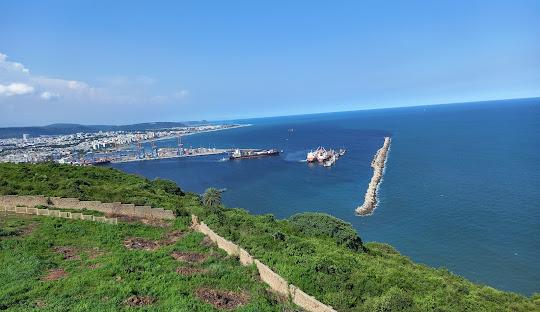
- Industries: It has a strong industrial base. Visakhapatnam is a major port and an industrial hub with a steel plant, shipping yard, and oil refinery. The state is focusing on sectors like pharmaceuticals (Visakhapatnam, Vijayawada), textiles, IT/ITeS (concentrated in Visakhapatnam and Tirupati), and electronics.
- Tourism: A growing sector, with pilgrimage (Tirupati), beaches (Rushikonda, Mypadu), heritage sites (Lepakshi, Amaravati), and hill stations (Araku Valley) being major draws.
- Role in India’s GDP: The state contributes a significant share to India's GDP, with its focus on port-led development through its long coastline and initiatives like the Andhra Pradesh Economic Development Board.
Education & Institutions
The state boasts a strong network of educational institutions.
- Major Universities: Andhra University (Visakhapatnam), Sri Venkateswara University (Tirupati), IIT Tirupati, IIM Visakhapatnam, NIT Tadepalligudem, and Central University of Andhra Pradesh (Anantapur).
- Research Centers: National Institute of Oceanography (Visakhapatnam), Indian Institute of Chemical Technology (IICT, Visakhapatnam Campus), and several agricultural research stations.
- Literacy Initiatives: The state government runs schemes like Amma Vodi (financial assistance to mothers for sending children to school) and Nadu-Nedu (revamping school infrastructure) to boost education.
Tourist Attractions
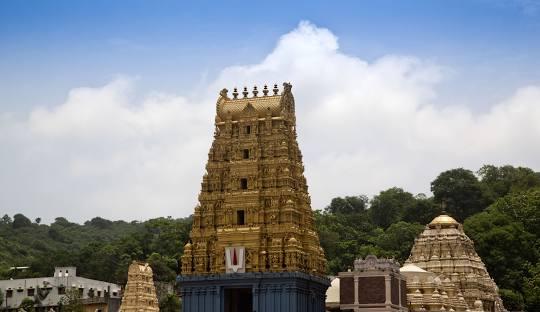
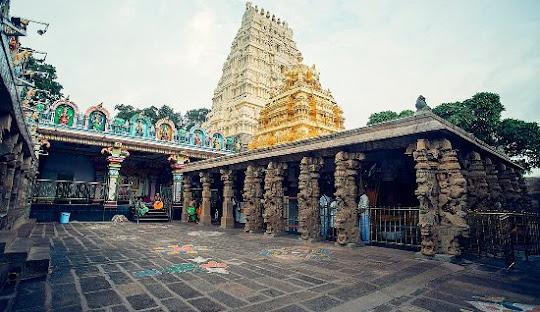
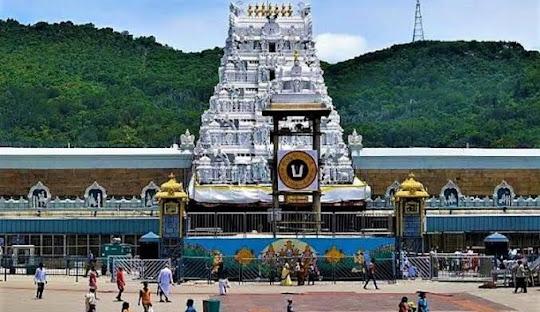
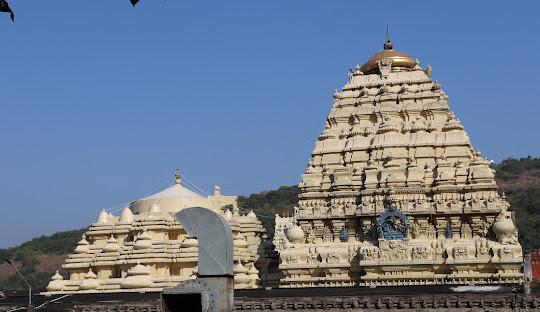
- Tirumala Tirupati Devasthanams: One of the world's richest and most-visited Hindu pilgrimage sites.
- Amaravati: Ancient Buddhist site and the new planned capital city.
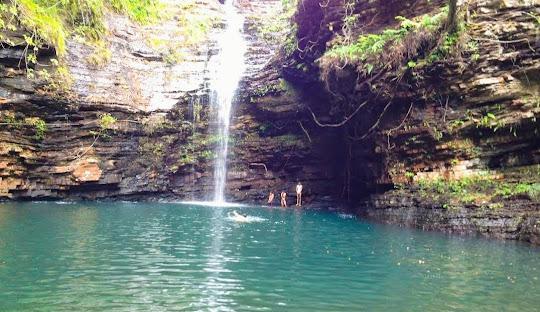
- Borra Caves: Million-year-old limestone caves in the Araku Valley.
- Belum Caves: The second-largest cave system in the Indian subcontinent.
- Lepakshi: Famous for its 16th-century Veerabhadra Temple and hanging pillar.
- Srikalahasti Temple: An ancient temple dedicated to Lord Shiva, known for Rahu-Ketu pooja.
- Visakhapatnam: Known for its beaches, submarine museum, and scenic Kailasagiri hill park.
- Ahobilam: A sacred site dedicated to Lord Narasimha.
- UNESCO Site: The Kakatiya Rudreshwara (Ramappa) Temple, located near Warangal (now in Telangana), is a shared heritage of the Telugu people.
Why This State is Important
Andhra Pradesh holds immense strategic and economic importance for India. Politically, it has been a key player in national politics, producing several prominent national leaders. Culturally, it is a guardian of the ancient Telugu language and traditions, contributing immensely to India's classical arts, literature, and cuisine. Economically, its long coastline is a gateway for international trade, and its fertile deltas are crucial for national food security. The state's ambitious infrastructure projects, focus on renewable energy, and development of industrial corridors position it as a major driver of India's economic growth in the 21st century. Its story of bifurcation and rebuilding is also a testament to the resilience of Indian federalism.
Conclusion
Andhra Pradesh stands as a magnificent testament to India's enduring spirit and its principle of "unity in diversity." From the echoes of ancient Buddhist chants in Amaravati to the futuristic skyline of its new capital, the state seamlessly blends its glorious past with a dynamic and ambitious future. It is a land where devotion meets enterprise, where timeless artistic traditions coexist with cutting-edge technology. For travelers, it offers an experience of sublime spirituality, natural beauty, and culinary delight. For students and competitive exam aspirants, a thorough understanding of Andhra Pradesh's history, its socio-economic landscape, and its cultural contributions is indispensable. It is not merely a state on India's map but a vital, pulsating organ in the body of the nation, continuously shaping and being shaped by the idea of India.
Objective Questions for Competitive Exams
Q.1. Which of the following is the classical dance form originating from Andhra Pradesh?
a) Bharatanatyam
b) Kathakali
c) Kuchipudi
d) Mohiniyattam
Answer: c) Kuchipudi
Q.2. The new legislative capital of Andhra Pradesh is:
a) Visakhapatnam
b) Amaravati
c) Kurnool
d) Vijayawada
Answer: b) Amaravati
Q.3. Which river does not flow through Andhra Pradesh?
a) Godavari
b) Krishna
c) Kaveri
d) Penna
Answer: c) Kaveri
Q.4. Who was known as 'Andhra Kesari'?
a) Alluri Sitarama Raju
b) Tanguturi Prakasam Pantulu
c) Pingali Venkayya
d) Potti Sriramulu
Answer: b) Tanguturi Prakasam Pantulu
Q.5. The famous Kalamkari painting is primarily from which town in Andhra Pradesh?
a) Machilipatnam
b) Srikalahasti
c) Both a and b
d) Tirupati
Answer: c) Both a and b
Q.6. Which port in Andhra Pradesh is the deepest and major port?
a) Krishnapatnam Port
b) Visakhapatnam Port
c) Kakinada Port
d) Machilipatnam Port
Answer: b) Visakhapatnam Port
Q.7. The Rampa Rebellion of 1922-24 was led by:
a) Alluri Sitarama Raju
b) Tanguturi Prakasam
c) Uyyalawada Narasimha Reddy
d) Kandukuri Veeresalingam
Answer: a) Alluri Sitarama Raju
Q.8. Which of these is a UNESCO World Heritage Site associated with the Kakatiya dynasty?
a) Golconda Fort
b) Lepakshi Temple
c) Ramappa Temple
d) Amaravati Stupa
Answer: c) Ramappa Temple
Q.9. What is Andhra Pradesh famously known as due to its high agricultural output?
a) Spice Garden of India
b) Rice Bowl of India
c) Fruit Basket of India
d) Milk Pail of India
Answer: b) Rice Bowl of India
Q.10. Which festival is celebrated as the Telugu New Year?
a) Sankranti
b) Dasara
c) Ugadi
d) Deepavali
Answer: c) Ugadi
Q.11. The first linguistic state of India, Andhra State, was formed in which year?
a) 1947
b) 1950
c) 1953
d) 1956
Answer: c) 1953
Q.12. Which of these is a major industry in the city of Visakhapatnam?
a) Software
b) Textiles
c) Steel & Petroleum Refining
d) Automobiles
Answer: c) Steel & Petroleum Refining